
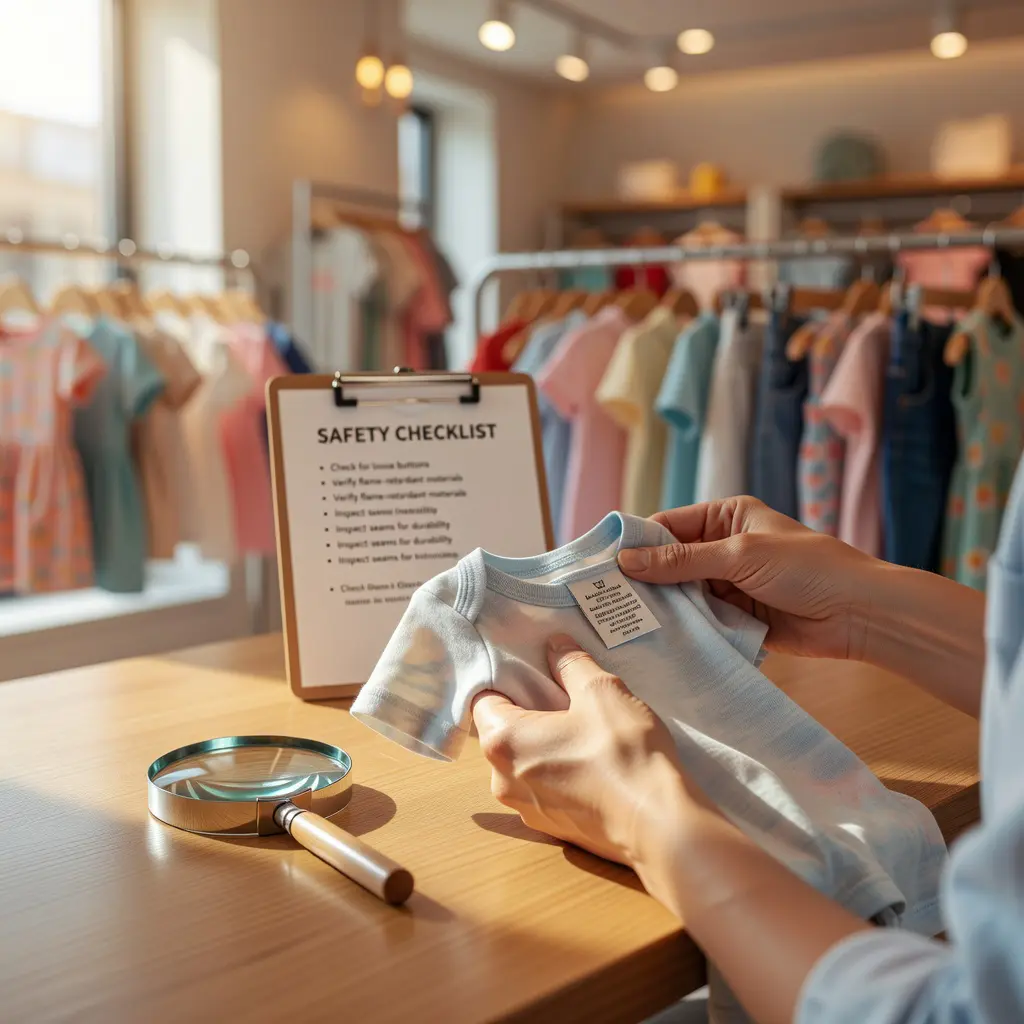
Why Smart Shoppers Choose Safety Checks Over Impulsive Deals
Every week, the safe clothing purchases news forum at SafeBlogShopper receives questions from shoppers who made costly mistakes — not because they were careless, but because they lacked the right knowledge. In today's marketplace, flooded with fast fashion, misleading labels, and relentless promotional pressure, navigating clothing safety has never been more complex. From synthetic fabric blends laced with undisclosed chemical treatments to imported children's garments that bypass safety testing entirely, the risks are real and measurable, and they affect families across every income bracket and shopping channel.
The instinct to seek a bargain is deeply human — the same psychological pull that makes people click on a casino bonus bez vkladu drives shoppers toward flash sales and too-good-to-be-true fashion deals that promise premium quality at clearance prices. But experienced clothing safety advocates consistently arrive at the same conclusion: no promotional incentive outweighs your family's long-term health. The five checks detailed in this article are your practical defense against the most common and consequential clothing safety failures — applied systematically, they make every shopping decision genuinely informed rather than merely optimistic.
Check 1: Verify Third-Party Certifications Before Any Purchase
The most powerful single action any clothing buyer can take is to look for independently verified certifications rather than trusting a brand's own marketing language. Terms like "natural," "eco-friendly," and "non-toxic" are completely unregulated in most jurisdictions — any manufacturer can print them on a label without consequence or verification. Third-party certifications, by contrast, require manufacturers to pass rigorous testing protocols conducted by accredited independent laboratories, with scheduled audits to maintain ongoing certification status.
How to Read and Verify Certification Claims
Understanding which certifications carry real weight is essential before you begin verifying them. The clothing industry hosts dozens of labels, and not all of them reflect the same depth of testing or supply chain transparency. Developing the consistent habit to properly check clothing certifications before buying dramatically reduces your exposure to harmful substances and substandard manufacturing practices. The table below summarizes the certifications most commonly encountered by consumers shopping for safe garments:
| Certification | Primary Focus | Key Tests Performed | Ideal For |
|---|---|---|---|
| OEKO-TEX Standard 100 | Chemical safety of finished garment | 100+ substances including formaldehyde, heavy metals, pesticides, and pH levels | All ages, especially infants and children under three |
| GOTS (Global Organic Textile Standard) | Organic fiber origin and full supply chain | Pesticide residues, processing chemical restrictions, social and labor standards | Buyers prioritizing organic and ethically sourced clothing |
| BLUESIGN | Responsible manufacturing processes | Chemical inputs, water and energy consumption, worker safety conditions | Outdoor, sportswear, and high-performance apparel |
| EU Ecolabel | Environmental impact across product lifecycle | Restricted substance compliance, energy and water use, packaging standards | European market — fashion and home textiles |
| Cradle to Cradle Certified | Full material lifecycle and circular economy | Material health scoring, recyclability assessment, carbon management | Environmentally focused buyers seeking circular products |
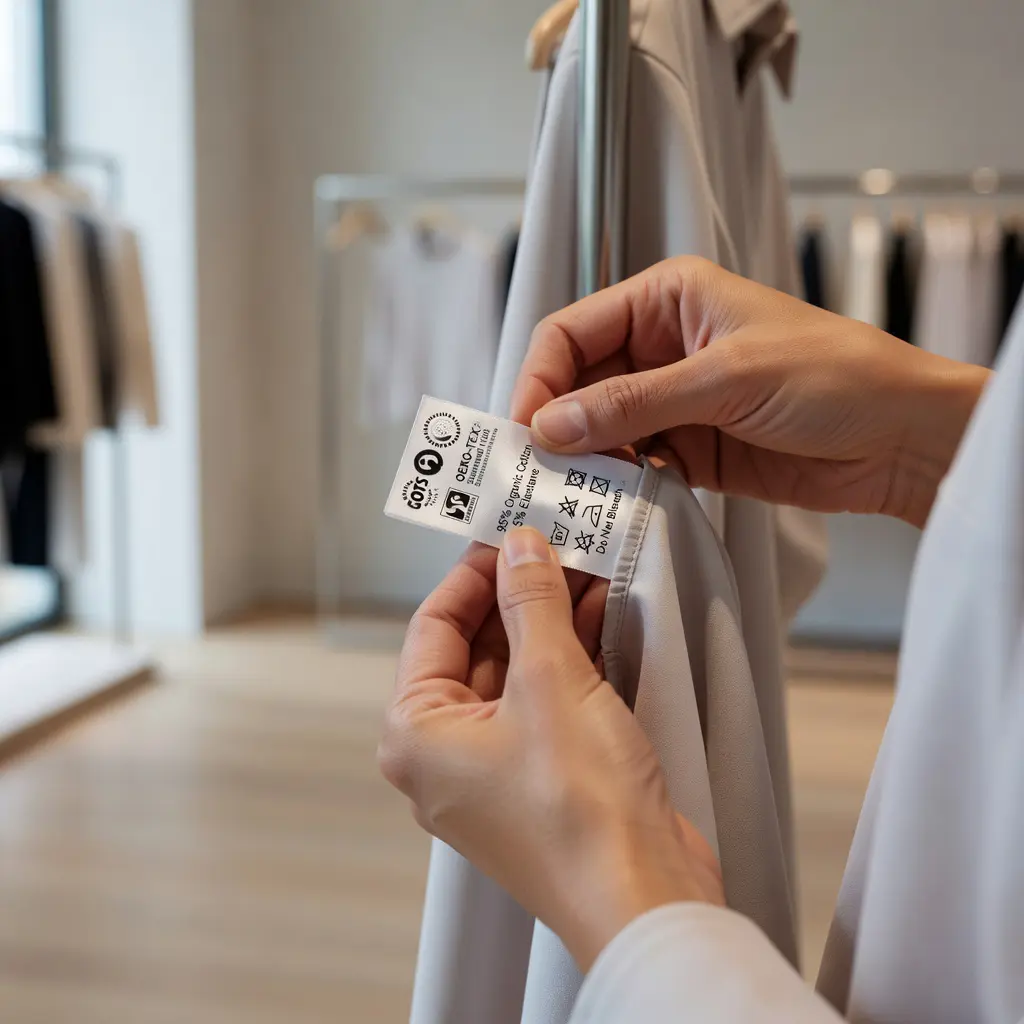
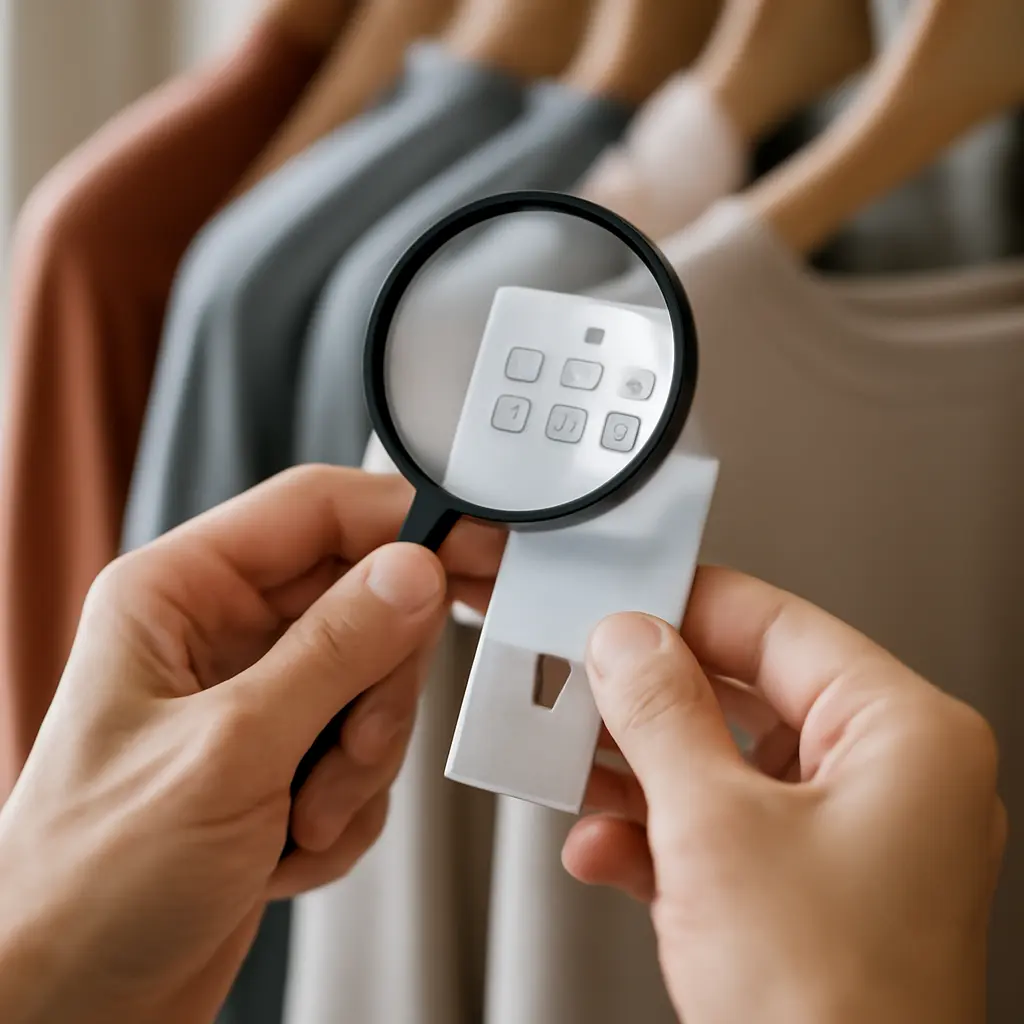
Always verify a certification claim directly through the issuing organization's official product database — never accept a logo image printed on a hangtag or product page as sufficient proof. Counterfeit certification claims are widespread on fast fashion platforms and unverified marketplace sellers. Legitimate certifications are traceable to a specific product, manufacturer, and certification period. If a product cannot be found in the official database, treat it as uncertified regardless of what any label or listing states.
Check 2: Investigate Chemical Treatments Hidden in Fabric Finishes
Modern garments are subjected to a significant number of chemical processes between fiber production and retail sale. Flame retardants, wrinkle-resistant finishes, antibacterial coatings, and water-repellent treatments are all standard in contemporary textile manufacturing — and many contain chemical groups that carry documented health risks, particularly for children whose skin is significantly more permeable than adult skin. This check is most critical for garments worn in direct contact with skin: underwear, sleepwear, hosiery, and fitted activewear worn during physical activity.
High-Priority Chemical Groups That Warrant Your Attention
Textile toxicology research has identified several recurring categories of concern that consumers can actively screen for when evaluating clothing purchases. Building awareness of these substance groups — and the marketing language that often obscures their presence — is one of the most durable and transferable safety skills a clothing buyer can develop:
- Formaldehyde-based resins — applied to achieve "easy care," "permanent press," and "wrinkle-free" properties; associated with skin sensitization, eye irritation, and respiratory effects, particularly in garments worn in warm conditions
- PFAS compounds (per- and polyfluoroalkyl substances) — found in water-repellent and stain-resistant treatments; they bioaccumulate in human tissue and are associated with hormonal disruption and immune system impacts across decades of exposure
- Restricted azo dyes — certain azo colorants break down under body heat and moisture into carcinogenic aromatic amines; more prevalent in cheaply produced synthetic fabrics from manufacturing regions with limited regulatory oversight
- Phthalates — used to soften PVC-based decorative prints and trims on garments; classified as endocrine disruptors with documented developmental effects in animal studies
- Nonylphenol ethoxylates (NPEs) — surfactants used in textile dyeing and washing processes that degrade into persistent environmental toxins; banned from finished products sold in the EU under REACH regulation
- Antimony trioxide — a polymerization catalyst used in polyester fiber production; classified as a possible human carcinogen and found at elevated concentrations in some fast fashion polyester garments when tested independently
Responsible manufacturers publish a Restricted Substances List (RSL) and sometimes a Manufacturing Restricted Substances List (MRSL), making these documents freely available to retail buyers and individual consumers alike. If a brand cannot or will not provide documentation of this kind, that absence represents a meaningful warning. For comprehensive information on substance limits and current regulatory thresholds across different national markets, you can access více informací through textile safety databases maintained by international consumer protection organizations and updated with new research findings.
Check 3: Assess Physical Construction and Mechanical Safety Hazards
Physical construction quality is a dimension of clothing safety that receives far less consumer attention than chemical concerns, yet it accounts for a significant share of clothing-related injuries — particularly among young children. Unsecured buttons, decorative embellishments, hood drawstrings, and cord toggles can all present choking hazards, entanglement risks, or strangulation dangers depending on the age of the wearer and the specific garment design. This check is mandatory for any children's clothing but also relevant for adult garments as a proxy for overall manufacturing quality and compliance standards.
Testing Small Parts and Attachment Security
Consumer product safety standards in the EU and North America specify minimum pull-force requirements for buttons and small attachments on children's garments — typically in the range of 70 Newtons of sustained force before detachment is permissible under test conditions. In practice, these standards apply only to compliant products, and the volume of non-compliant imports reaching consumers means testing cannot be assumed from purchase price or platform. Before buying any children's garment, apply firm manual pressure to all buttons, snaps, beads, sequins, and embroidered appliqués. Any attachment that separates under moderate pressure is a choking hazard for children under 36 months and should immediately disqualify the product from consideration.
Drawstring safety on children's upper-body garments is regulated under EU standard EN 14682 and US voluntary standard ASTM F1816, both of which prohibit functional drawstrings in the hood and neck area of garments up to size 134 cm or approximately age seven. Discussions in the SafeBlogShopper news forum about safe clothing purchases regularly surface case reports of drawstring-related injuries caused by entanglement in playground equipment and vehicle doors. Check hood channels for cord remnants even when no visible drawstring is present — some manufacturers thread cords during production and do not remove them before retail packaging.
Reading Seam Construction as a Quality and Compliance Indicator
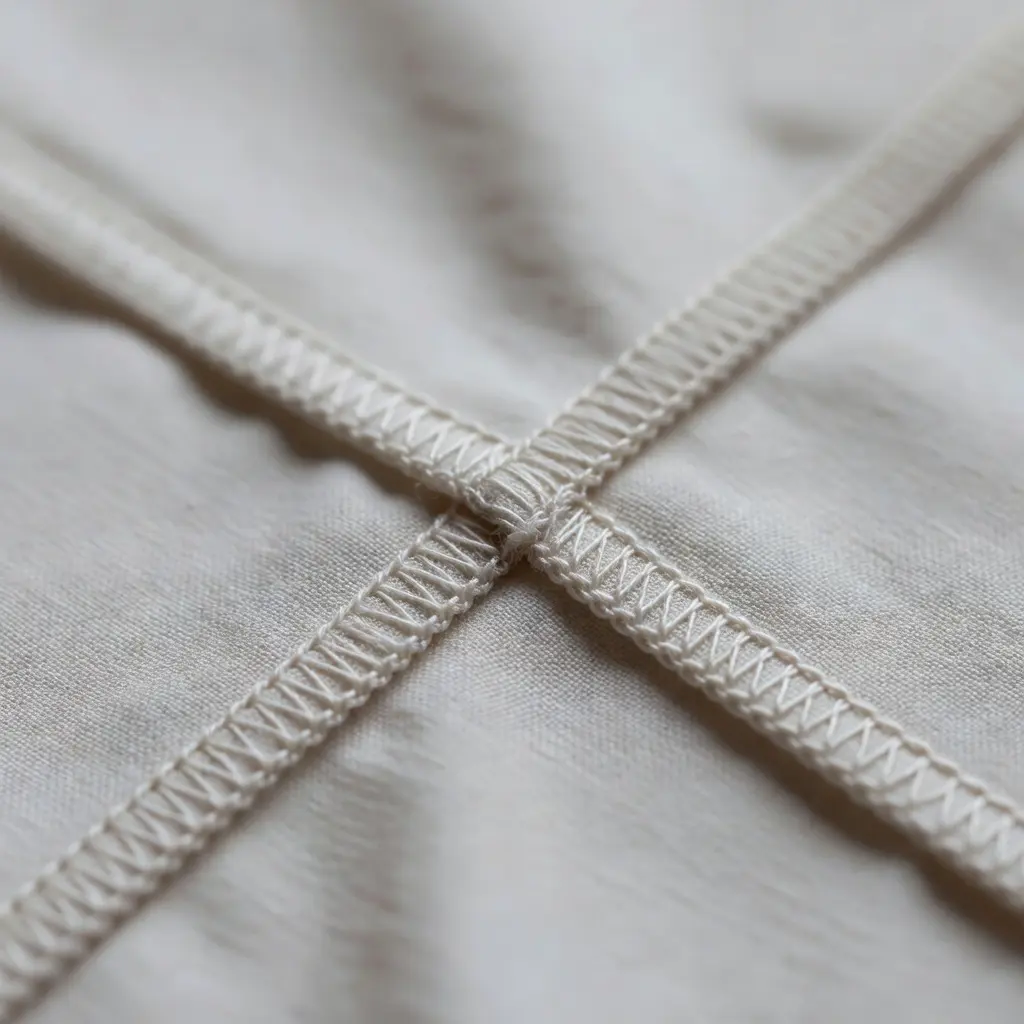
The quality of seam construction offers a reliable proxy for a manufacturer's overall production standards and compliance culture. Double-stitched seams, flat-felled seams, and bound edges indicate investment in construction quality that typically extends to chemical compliance and safety testing as well. Single-thread chain stitching that unravels from a single pulled thread, or seams that separate under gentle lateral tension, signal production shortcuts that likely permeate every aspect of the garment's manufacture — including the chemical processing decisions that remain invisible to visual inspection. Treat poor construction as a red flag for the entire manufacturing operation, not merely the seam you happened to test in the store or upon delivery.
Check 4: Verify Seller Credentials and Supply Chain Transparency
In the digital retail environment, the seller's credentials matter as much as the product's specifications. A legitimate clothing retailer — whether operating a direct-to-consumer website, a physical boutique, or a third-party marketplace storefront — should be able to provide meaningful documentation supporting their safety claims when asked. The discipline of researching a seller before committing to a purchase has clear parallels in other consumer domains: just as informed consumers carefully evaluate nové kasino bonusy 2026 before engaging with any promotional offer, clothing buyers must scrutinize seller credentials and supply chain transparency before trusting health and safety claims printed on product pages.
Recognizing the Warning Signs of Unreliable Retailers
The growth of dropshipping operations and unverified marketplace listings has complicated the task of identifying trustworthy sellers considerably. Many operations that present as established retailers are actually fulfillment intermediaries with no direct oversight of the products they list and limited accountability for safety compliance failures. Recognizing warning indicators early in your research process protects both your family's health and your purchasing budget:
- No verifiable physical business address, or an address that resolves to a residential property, virtual office, or forwarding service
- No safety certification documentation anywhere in product listings for children's garments or skin-contact items like underwear and base layers
- Pricing dramatically below comparable certified products — typically 60–80% under market rate for items claiming equivalent quality
- Product descriptions relying entirely on unsubstantiated claims: "eco," "natural," "safe for sensitive skin," or "dermatologist approved" without any supporting certification evidence
- Customer reviews that mention strong chemical odors immediately upon unboxing, skin irritation or rashes after first wear, or structural failures within days of purchase
- Return policies requiring international shipping at the buyer's expense, or blanket no-return policies applied to all clothing items under vague hygiene exemptions
- No accessible customer support channel beyond a generic auto-response email or a contact form with no guaranteed response time
Cross-reference shortlisted sellers against publicly accessible safety recall databases before committing to a purchase. The EU's RAPEX Safety Gate system and the US Consumer Product Safety Commission's recall database both maintain searchable records of clothing products identified as unsafe and withdrawn from the market. A targeted brand-name search in these databases takes under five minutes and can reveal a documented non-compliance history that no volume of positive reviews will counterbalance.
Check 5: Decode Care Labels for Hidden Safety Intelligence
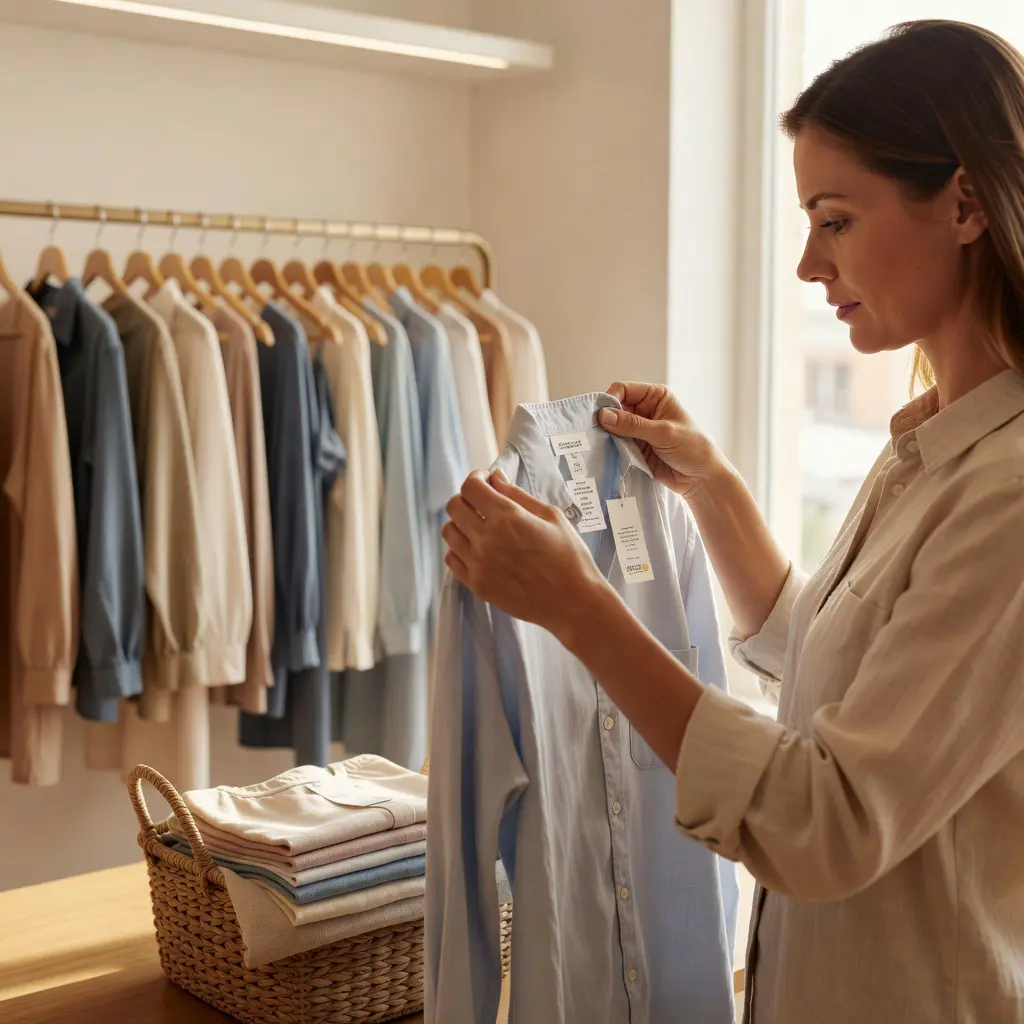
Care labels are widely treated as laundry guides and little else, but for informed buyers they function as a compressed technical disclosure of a garment's composition, chemistry, and manufacturing origin. Mandatory label requirements in most major consumer markets mean the information on a care label is legally binding — making it one of the very few places where a manufacturer cannot substitute aspirational marketing language for factual disclosure. Learning to extract safety intelligence from these labels transforms a routine purchasing step into a genuinely informative assessment of what your family is about to wear.
A Systematic Seven-Step Care Label Analysis
Textile safety experts recommend a consistent analytical approach to care label reading that surfaces information relevant to health and safety, not merely to washing logistics. Work through the following steps for any garment you are seriously considering purchasing, and build the sequence into a habit that becomes automatic over time:
- Identify fiber content first — check whether fibers are natural (cotton, wool, linen, silk), synthetic (polyester, nylon, acrylic), or blended; natural fibers generally carry lower inherent chemical processing risk, though organic certification remains important for pesticide-free sourcing even with natural materials
- Verify that fiber percentages total 100% — discrepancies of even a few percent can indicate labeling errors, undisclosed recycled content, or potentially undisclosed fiber types with different regulatory chemical profiles
- Record the country of manufacture — legally required in the EU, US, and most major markets; this determines which regulatory environment governed production and which chemical restrictions applied to the manufacturing process
- Identify special finish language — terms including "easy care," "permanent press," "moisture-wicking," "antimicrobial," "flame resistant," and "water repellent" all signal applied chemical treatments that warrant investigation against known substance concerns outlined in Check 2
- Note any "wash before wearing" instructions — when this guidance appears on the label itself rather than external packaging, it often reflects manufacturer awareness of residual processing chemical levels that benefit from reduction before prolonged skin contact
- Assess temperature restrictions carefully — mandatory cold-wash-only instructions may indicate dyes or finishes that are not stable at standard washing temperatures, potentially reflecting lower-grade chemical inputs throughout the entire processing chain
- Cross-check against certification claims — a garment displaying an OEKO-TEX or GOTS logo alongside unusual chemical treatment language on the care label warrants direct verification in the official certification database before you finalize the purchase
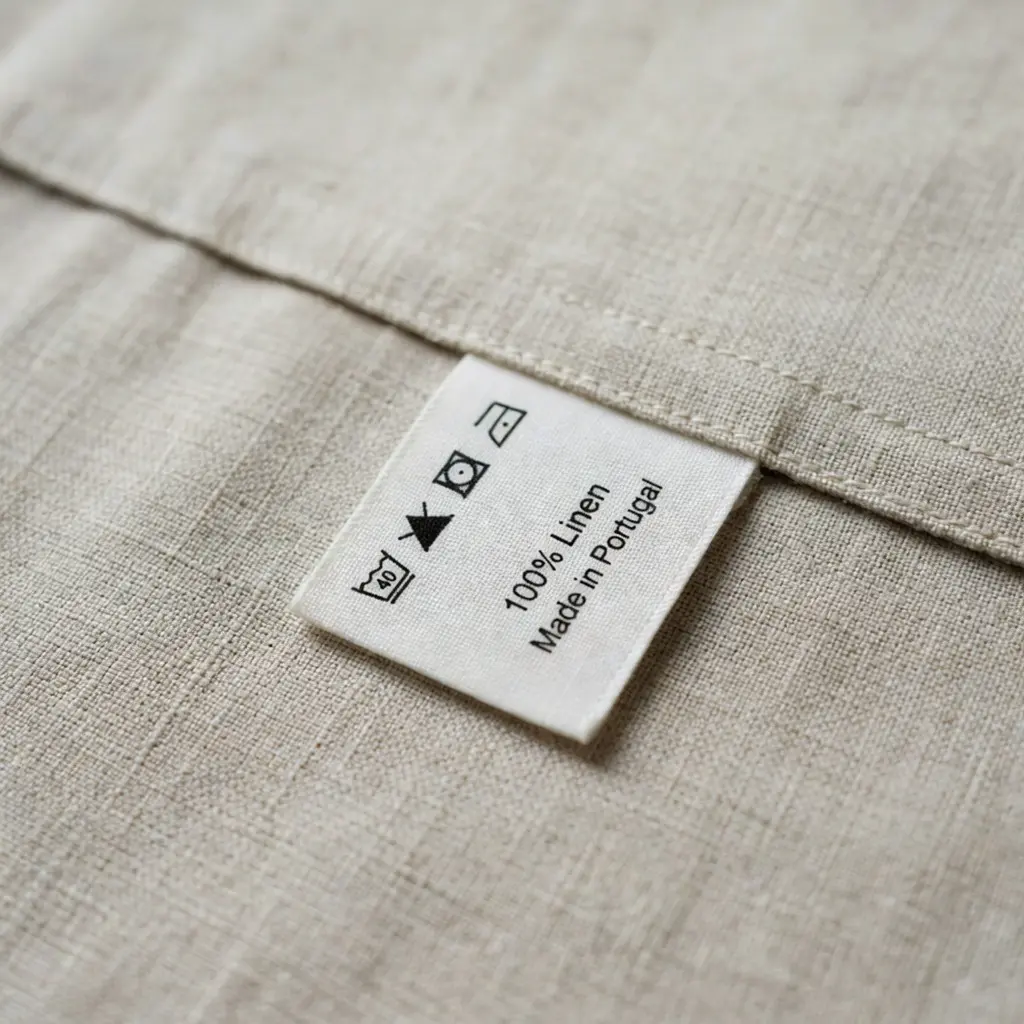
One practice that textile safety researchers universally endorse is washing all new garments before wearing them for the first time, regardless of what certifications or care labels indicate. This single step removes processing residues, shipping contaminants, and accumulated handling from the retail and logistics chain. For those focused on safe clothing purchases online, this practice carries even greater importance: unlike in-store shopping where you can handle the garment, online buyers receive it without prior physical inspection, making a pre-wear wash the final practical defense against unknown residues.
Applying All Five Checks as a Coherent System
The real power of this framework emerges from applying all five checks as a systematic sequence rather than relying on any single indicator in isolation. A garment may pass the certification check while presenting structural hazards that make it entirely unsuitable for young children. Another might have fully transparent care label disclosures but come from a seller with a documented recall history. Each check addresses a distinct vulnerability in the clothing safety chain — chemical composition, physical construction, seller integrity, processing transparency, and label honesty — and they function together to create a comprehensive assessment no single data point can replicate.
With consistent practice, the complete five-check sequence takes under ten minutes per purchase decision for most garments. That modest investment compares favorably to the potential consequences of clothing-related health reactions, structural injury incidents, or the straightforward financial waste of garments that fail quickly and cannot be returned. Building a personal reference card that captures the core questions from each check gives you a reliable, portable tool that performs equally well when browsing a marketplace application late at night or standing in front of a sale display in a physical retail environment.
Conclusion: Building a Wardrobe on Genuine Confidence
The five clothing safety checks outlined in this article — certification verification, chemical treatment assessment, structural integrity testing, seller credential scrutiny, and care label analysis — represent a complete and practical framework for purchasing decisions that prioritize long-term health over short-term convenience or price excitement. Each check is executable without specialized equipment, costs nothing beyond a few minutes of research, and applies equally to everyday basics, children's clothing, and occasional specialty purchases.
To consolidate the key takeaways: verify certifications through official databases rather than accepting logo images at face value; research chemical treatments and understand which substance groups represent the highest health concern for your specific household; test physical construction hands-on before buying, especially for children's garments with small parts; investigate sellers against recall databases and assess supply chain transparency before trusting safety claims; and read care labels analytically to extract the composition and processing information that manufacturers are legally required to provide. Each of these steps builds on the others, creating layered protection that no individual check alone can provide.
The SafeBlogShopper news forum about safe clothing purchases was built on the conviction that informed shoppers make measurably better decisions — and that better decisions, multiplied across millions of families, create meaningful pressure on manufacturers and retailers to raise their standards consistently. Apply these five checks every time you shop, share what you learn with people in your community, and approach every purchasing decision with the knowledge that your scrutiny is one of the most effective safety mechanisms available. No promotional offer — however compelling the framing — is worth trading away the assurance that what your family wears every day is genuinely safe.

Comments
When you say to verify OEKO-TEX or GOTS in the official database, is there a quick way to do that if you’re in a store and only have the hangtag info? I’ve seen a lot of “eco” claims with no code to look up.
On the care label checklist, you mention “cold-wash-only” can hint at lower-grade dyes/finishes—how reliable is that in practice, and are there legit reasons a quality brand would still recommend cold wash?
When you say to verify OEKO-TEX or GOTS in the official database, where do you actually find the product ID on a typical clothing tag? I’ve seen logos plenty of times but rarely any code to look up.
On the care label check, how do you actually verify “water repellent” means PFAS-free if the brand won’t share an RSL/MRSL? Is there any wording on labels that’s a reliable giveaway either way?
When you say to verify OEKO-TEX or GOTS in the official database, where do you usually find the product ID to search for it on the tag or label? I’ve seen logos but no obvious number.