
Why Safe Clothing Labels Often Fail: Smart Steps to Buy Now: Tips
Learn why safe clothing labels often fail and get smart steps to buy now - practical tips to spot real safety, avoid hazards, and shop clothing with confidence. SafeBlogShopper
Learn why safe clothing labels often fail and get smart steps to buy now - practical tips to spot real safety, avoid hazards, and shop clothing with confidence. SafeBlogShopper
Discover 9 proven checks to verify clothing safety before you buy online — spot hazardous materials, check certifications, and shop with confidence. SafeBlogShopper
Safe Clothing Buys: Discover how to read labels, spot hidden hazards, and shop smarter — insider tips experts won't tell you for healthier, safer wardrobes. SafeBlogShopper

Learn 7 proven ways to spot unsafe clothing before you buy online—protect your family, avoid toxic fabrics and hidden hazards with quick, expert buying checks. SafeBlogShopper

Discover safe clothing secrets retailers won't tell you before buying—learn to spot hidden hazards, choose safer fabrics, and shop smarter now. SafeBlogShopper
Discover 8 proven ways to verify safe clothing before you buy online - quick checks, label tips, fabric tests and seller red flags to protect your health. SafeBlogShopper

Learn 9 insider tips to spot safe clothing labels before you buy—decode care symbols, certifications and fabric claims to protect health save money and wardrobe. SafeBlogShopper
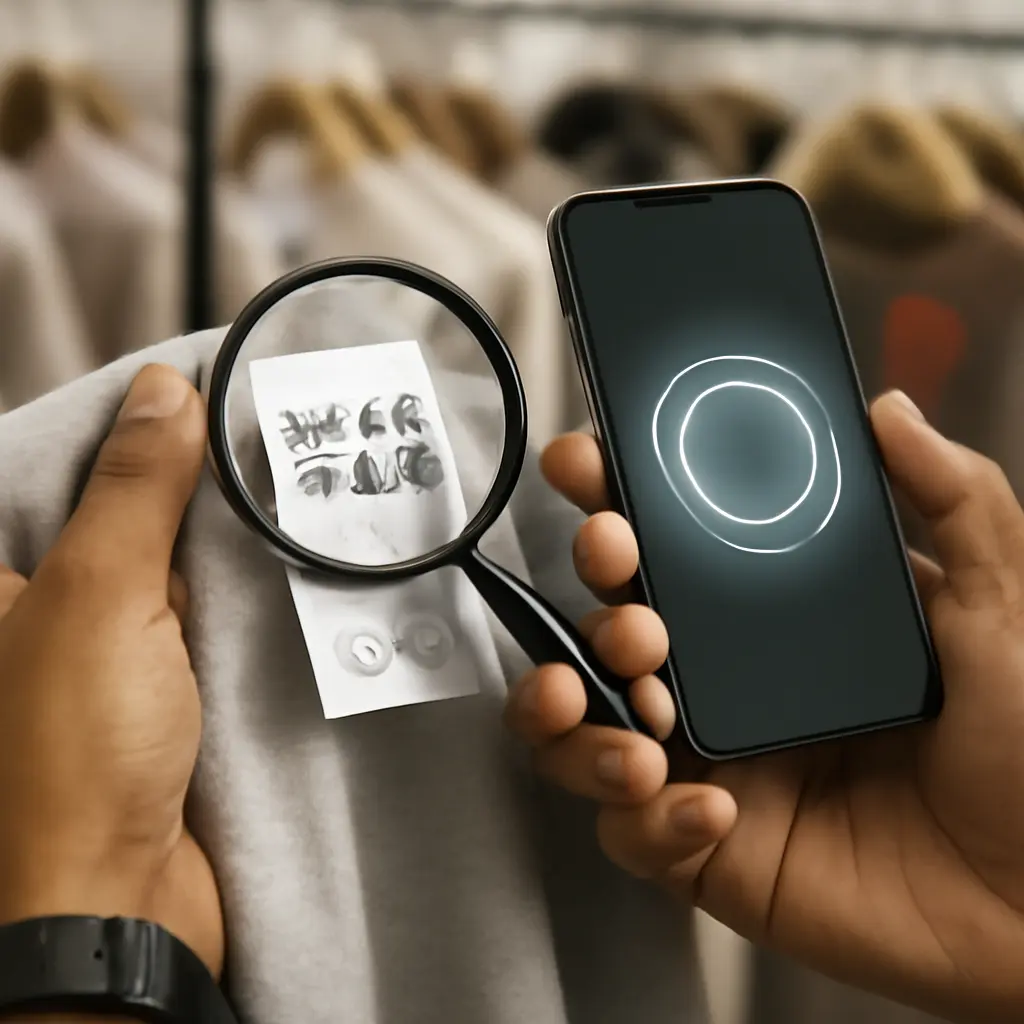
Discover 7 smart ways to verify safe clothing labels before you buy today — quick checks, trusted certifications and red flags to reduce risk. SafeBlogShopper
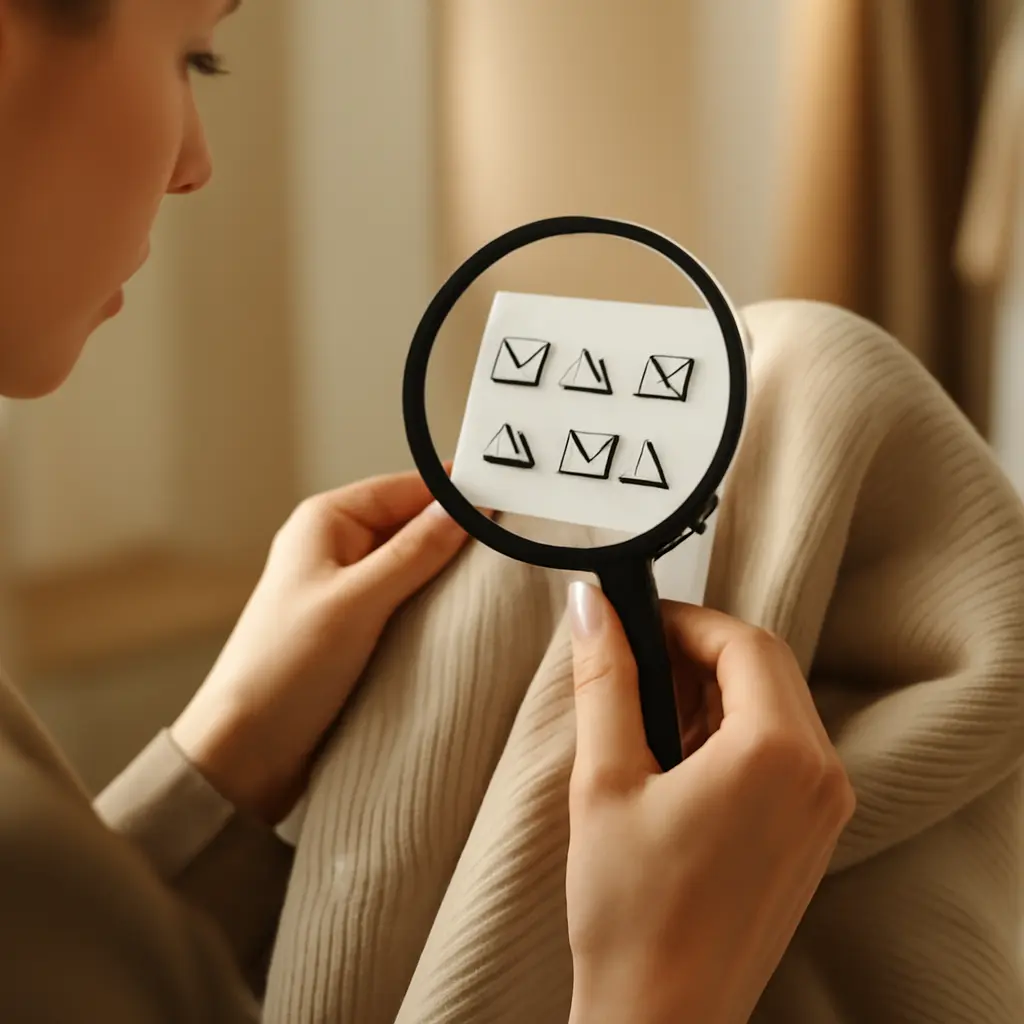
Discover 7 hidden clothing label warnings every smart buyer should know - learn what care symbols and tags mean to save money and avoid costly mistakes. SafeBlogShopper

Complete Guide to Safe Clothing Purchases 2024: Read labels, interpret test results, avoid toxic fabrics, and shop smarter with expert tips for a safer wardrobe. SafeBlogShopper
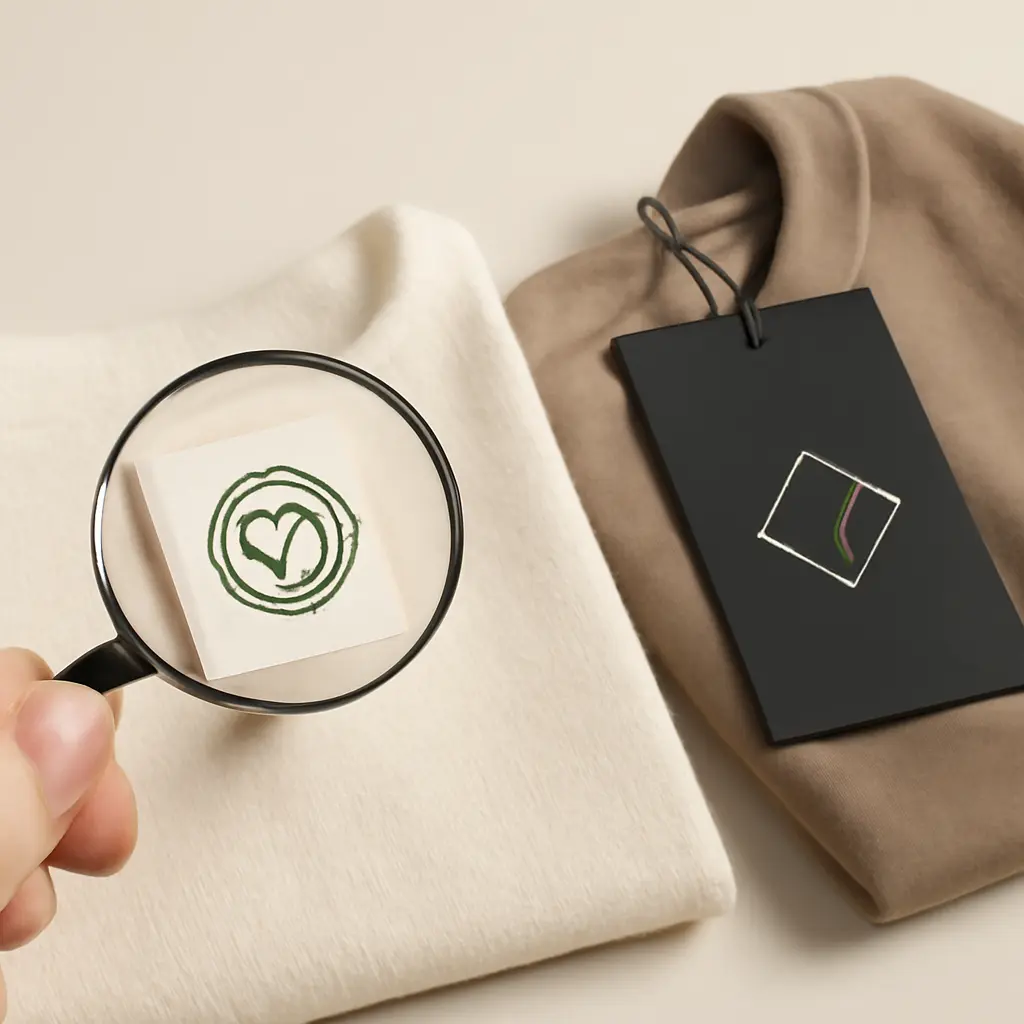
Why certified labels matter more than brand claims for safer clothing: quick tips to spot trusted certifications and shop healthier garments. SafeBlogShopper
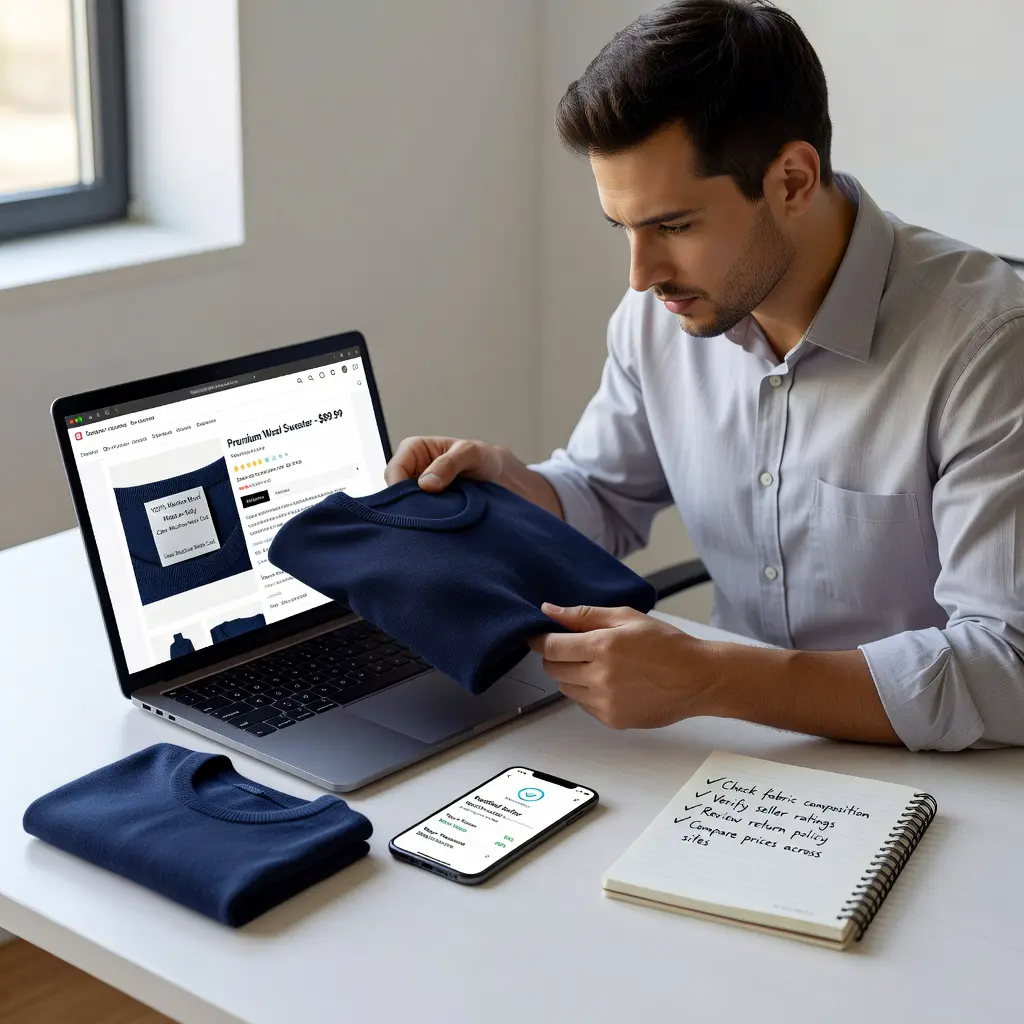
Avoid risky purchases — learn how to buy safe clothing online with expert tips on verifying sellers, spotting red flags, and protecting your money. Start shopping smarter today.
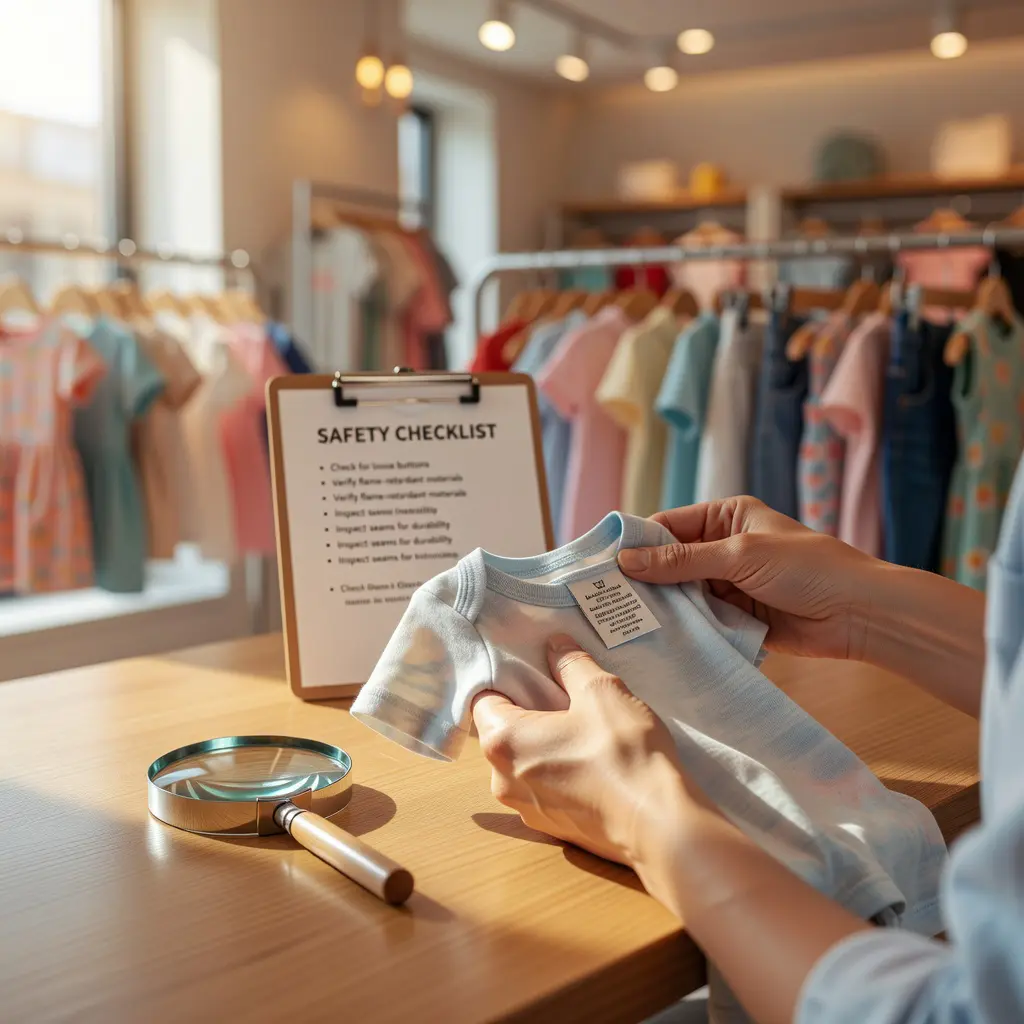
Before buying, run these 5 clothing safety checks that matter more than any casino bonus bez vkladu — protect your family with practical tips every shopper needs.
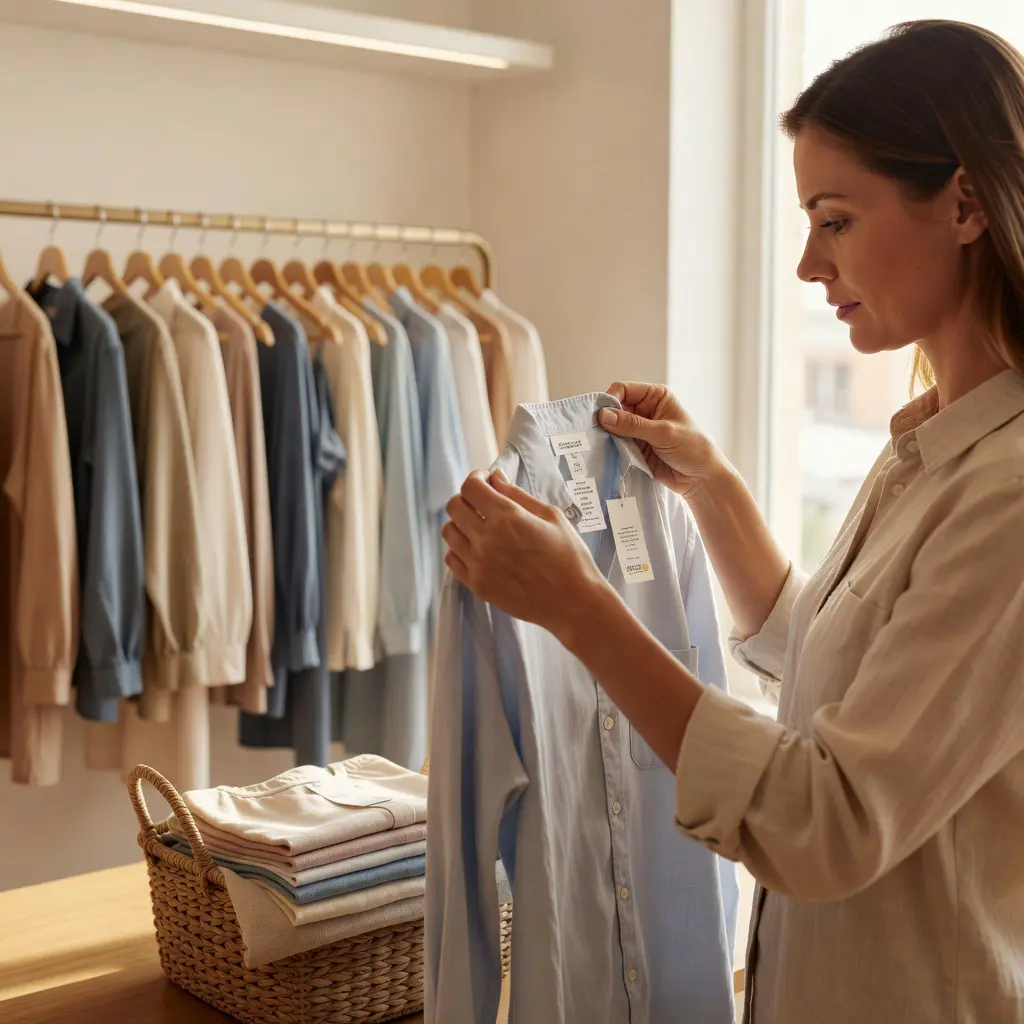
From toxic dyes to flammable fabrics, smart shoppers know what to check before buying. Discover the 6 clothing safety rules that protect you and your family.
Welcome to SafeBlogShopper — your trusted news forum for safe clothing purchases. In a world of fast fashion, crowded marketplaces, and rising counterfeit risks, knowing what to buy and where to trust matters. We combine timely alerts, expert reviews, and community-tested tips to help you shop smarter, protect your wallet, and keep your closet free from risky or fake products.
Clothing should be a source of confidence, not concern. Too many shoppers face unclear product claims, hidden safety issues, and copies that look real but fail in quality or safety. Our mission is to make safe, reliable clothing information easy to find and act on. We believe everyone deserves clear guidance on authenticity, materials, recalls, and secure buying practices — whether you’re hunting for a durable winter coat or verifying a sought-after designer piece.
SafeBlogShopper is a dynamic hub of curated news, practical guides, and community intelligence. Our content types include:
Our content combines vetted sources, expert input, and community verification. We cross-check reports against official recalls, consumer protection notices, and reputable industry analysis. Where possible we link directly to source documents and encourage transparency in every post. Our moderation team verifies community submissions and highlights corroborated reports so you know what’s trustworthy.
SafeBlogShopper is built by shoppers, researchers, and industry-aware editors who care about quality and safety. We don’t sell products — we help you find and evaluate them. That independence lets us focus only on what keeps you secure and satisfied.
Ready to shop with confidence? Join our forum, subscribe for alerts, or browse our latest reviews to start protecting your purchases today. If you have a tip, recall notice, or review to share, we’d love to hear from you — your experience helps everyone shop smarter.
Comments
You recommend a minimum 30-day return window, but some small sustainable brands only offer 14 days—should I always avoid them or are there reasonable exceptions?
I followed the tip to look up OEKO‑TEX numbers and found one that didn't exist — returned the hoodie before it shipped. That saved me from a fake label and a headache with returns.
I didn’t realize how risky some common dyes could be—after reading this, I’m definitely checking for OEKO-TEX or GOTS labels before buying bright-colored shirts.
I never realized how often fake OEKO-TEX or GOTS labels show up—definitely going to check the official registries before buying anything from now on.
I never realized how much flammability varies by fabric—definitely makes me rethink those lightweight linen shirts I usually grab for summer.
I never realized how much residual chemicals could linger on new clothes—definitely going to start washing everything before wearing, especially my kids’ outfits.
I never realized how often “safe” labels can be faked—checking the certifying body directly seems like such a simple step that most people probably skip.
That section on “wrinkle-free” finishes using formaldehyde resins made me rethink a few work shirts I own. Is there any reliable way to tell from a tag if a garment has that kind of treatment besides seeing OEKO-TEX?
When you say to verify OEKO-TEX or GOTS in the official database, is there a quick way to do that if you’re in a store and only have the hangtag info? I’ve seen a lot of “eco” claims with no code to look up.
The tip about checking OEKO-TEX or GOTS in the official registry is huge—I've definitely seen stores slap those logos on product pages with zero label numbers. Has anyone actually caught a fake this way?