

Why tiny label warnings matter more than you think
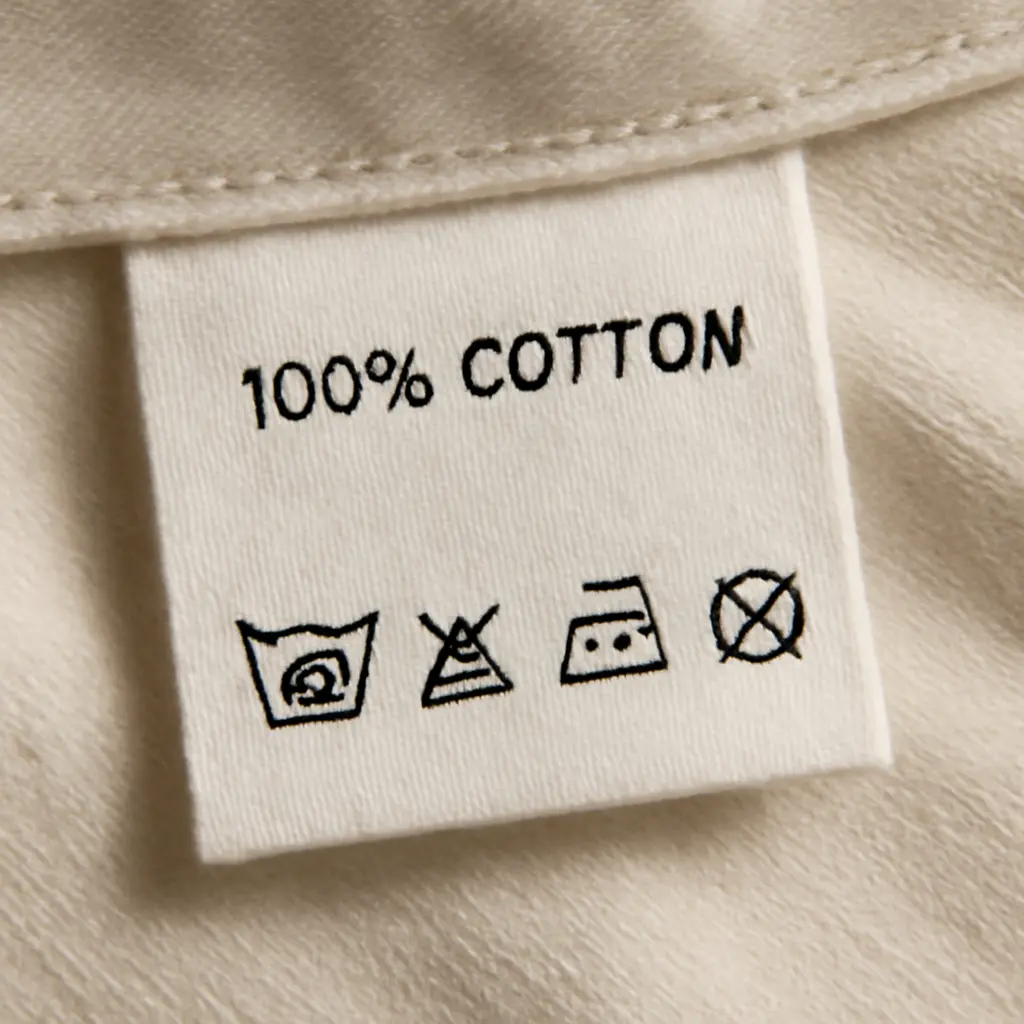
Shopping smart for clothes is about more than style and price — it's about safety, longevity, and avoiding annoying surprises. Many buyers overlook the care symbols and small tag warnings that can cost you time or money later. In this guide, we'll unpack 7 hidden clothing label warnings that every smart buyer should know, show practical steps to avoid common mistakes, and highlight how consumer trust signals—like reputable casino review ratings—offer a useful analogy when evaluating online apparel sellers.
How labels guide safe purchases
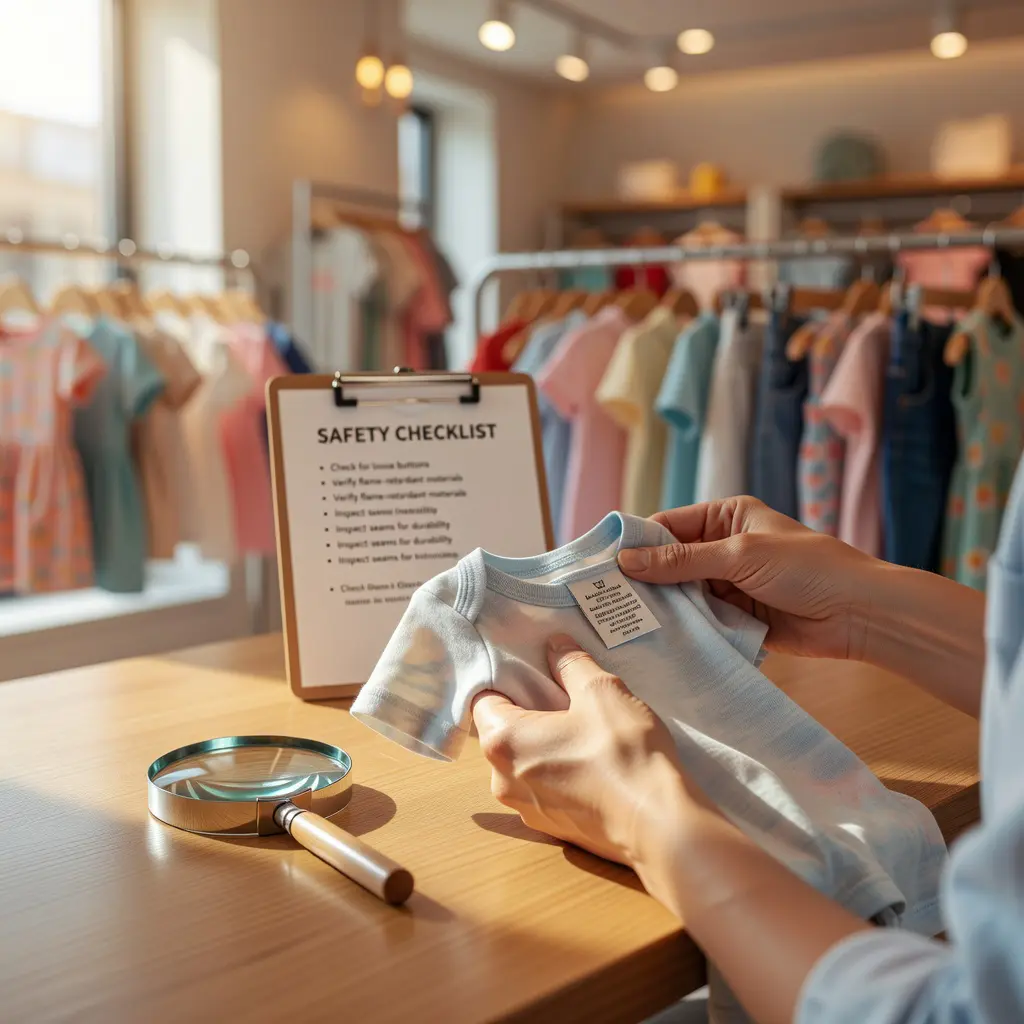
Labels communicate fiber content, washing instructions, and sometimes legal safety notes like flammability. Just as you might check a site's reputation using casino review ratings before placing a bet, you should read labels before placing an item in your cart. A label is a fast, objective signal of risk and care: ignoring it is like playing an unfamiliar casino with no reviews—you may get burned.
Warning 1: "Dry clean only" — cost and convenience warning
The phrase “Dry clean only” is often a heads-up that the garment needs professional attention. That small tag can add recurring costs and reduce the garment's everyday practicality. If you buy many pieces with this tag, factor in annual or periodic cleaning expenses and potential shrinkage if you try home washing.
Warning 2: Hidden blends and surprises in fiber content
Labels sometimes list fibers in an order that hides the true composition. Words like “synthetic blend” or percentages written in fine print can mean the fabric breathes poorly or pills quickly. If you want long wear, check for higher percentages of durable fibers like cotton, wool, or high-quality modal, and beware of tiny percentages of delicate fibers that drive special care.
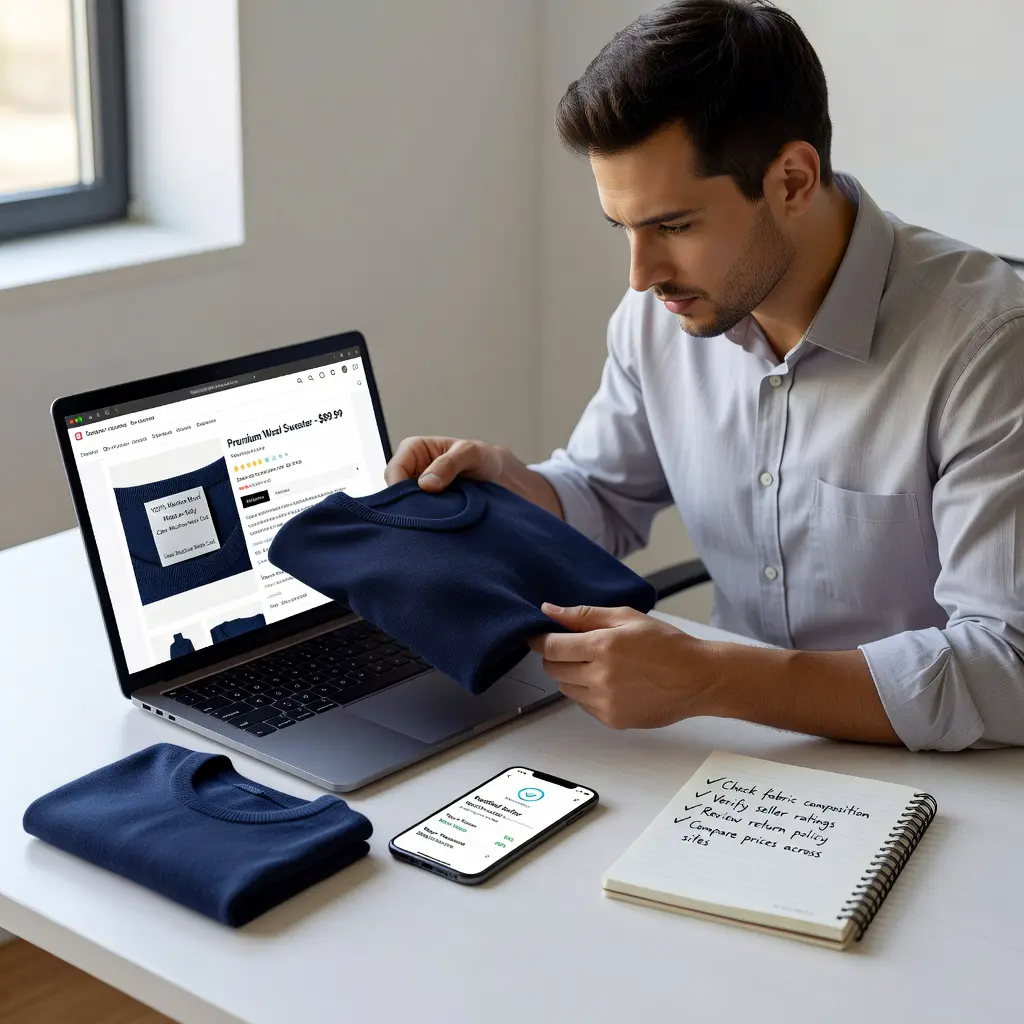
Before you click buy, think: does this label match your lifestyle? Some online stores hide this info until the checkout page—another reason to prefer sellers with transparent ratings. Like consulting casino review ratings to spot trustworthy operators, choose clothing sellers with clear labelling and consistent reviews.
Warning 3: Flame resistance and safety notices
Certain garments, especially children's sleepwear or workwear, may include flammability warnings. Look for phrases like “not flame resistant” or government safety codes. This is not fashion code—it's safety. If the label lacks a clear statement for a category where flame resistance matters, treat that as a red flag and check the retailer’s policy or product tests.
Warning 4: Colorfastness and transfer risks
Some items warn about color transfer—usually with a note like “may bleed” or “test before washing.” That tiny warning protects you from ruined laundry and upholstery. If you frequently wash with light garments, this warning should lower the attractiveness of a bargain item. Think of it like a low score on a casino review: a single poor metric (e.g., fairness) can spoil the whole experience.
Warning 5: Shrinkage and fit changes
Look for explicit instructions such as “hand wash cold” or “do not tumble dry.” These usually imply the fabric will shrink or distort if treated casually. For fitted garments, check for shrinkage percentages in the product description or ask customer service. A high-quality seller will address these concerns transparently—similar to how top-rated casinos clearly state bonus terms in their review summaries.
Warning 6: Sensitizing finishes and chemical treatments
Terms like “wrinkle-resistant finish” or “anti-wrinkle treatment” may mean the fabric has been chemically treated. For sensitive skin, this can cause irritation. If you need hypoallergenic options, prioritize items that explicitly state dermatologically tested or that list fewer chemical finishes. When shopping online, use reviews and ratings to verify claims—reviews are the equivalent of independent checks, much like credible casino review ratings help verify operator claims.
Warning 7: Country of origin and supply chain notes
A label that lacks a clear country of origin or lists multiple ambiguous factories can signal quality control issues. Ethical and safety standards vary, so missing or vague manufacturing data should prompt scrutiny. Think of it as checking a casino's licensing information; if essential provenance details are absent, your trust should drop.
Quick checklists: What to do before you buy
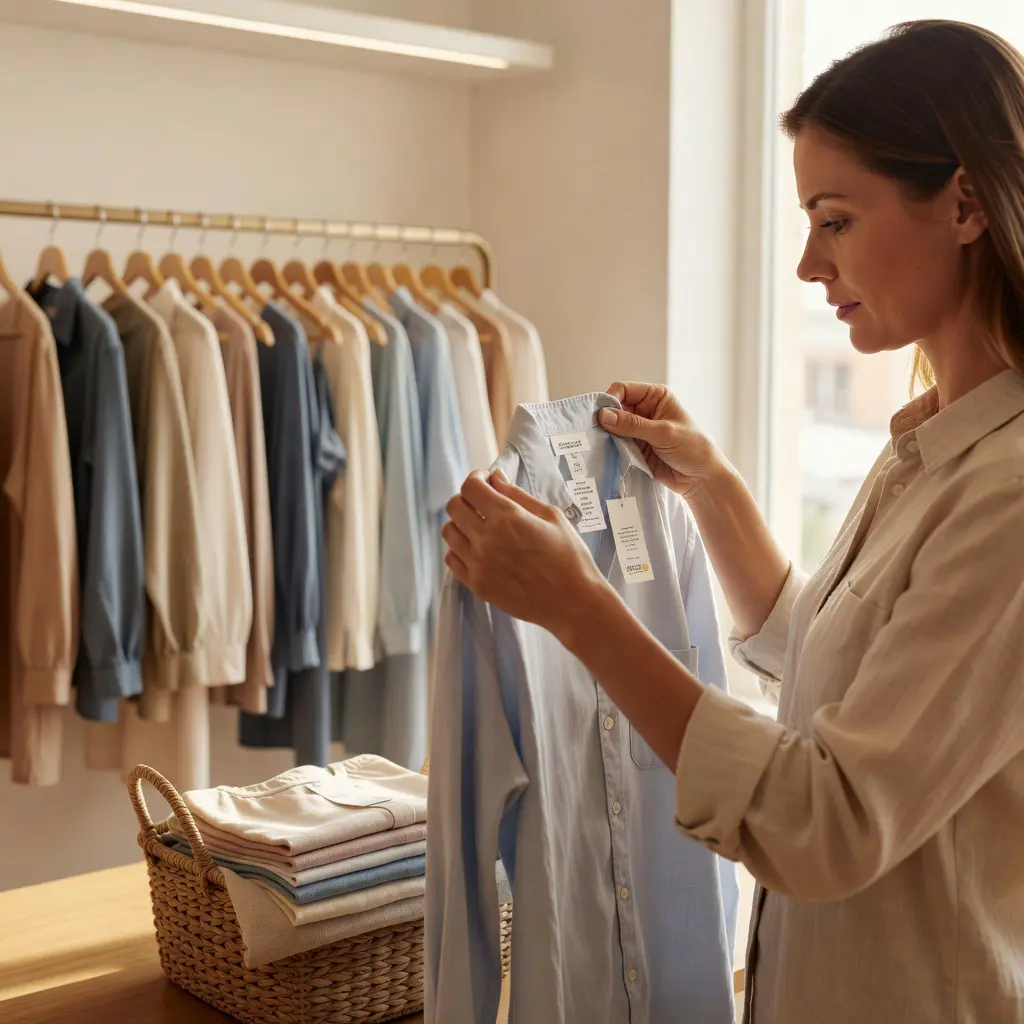
Use these short lists to convert label reading into action. They help you avoid regretful purchases and spot sellers who may be hiding problems.
- Scan the label for care method, fiber percentages, and any safety statements.
- Cross-check the product description for matching details.
- Read customer reviews and note mentions of label accuracy, shrinkage, or color bleeding.
- Compare seller transparency—prioritize those that publish policies and testing data.
For a deeper discussion on why labels sometimes fail in real-world testing, see safe clothing labels.
- Check for explicit care symbols and uncommon warnings.
- Assess whether the care required fits your routine.
- Review customer feedback for label-related complaints.
- Decide based on total cost of ownership, not just the sticker price.
Label symbols at a glance
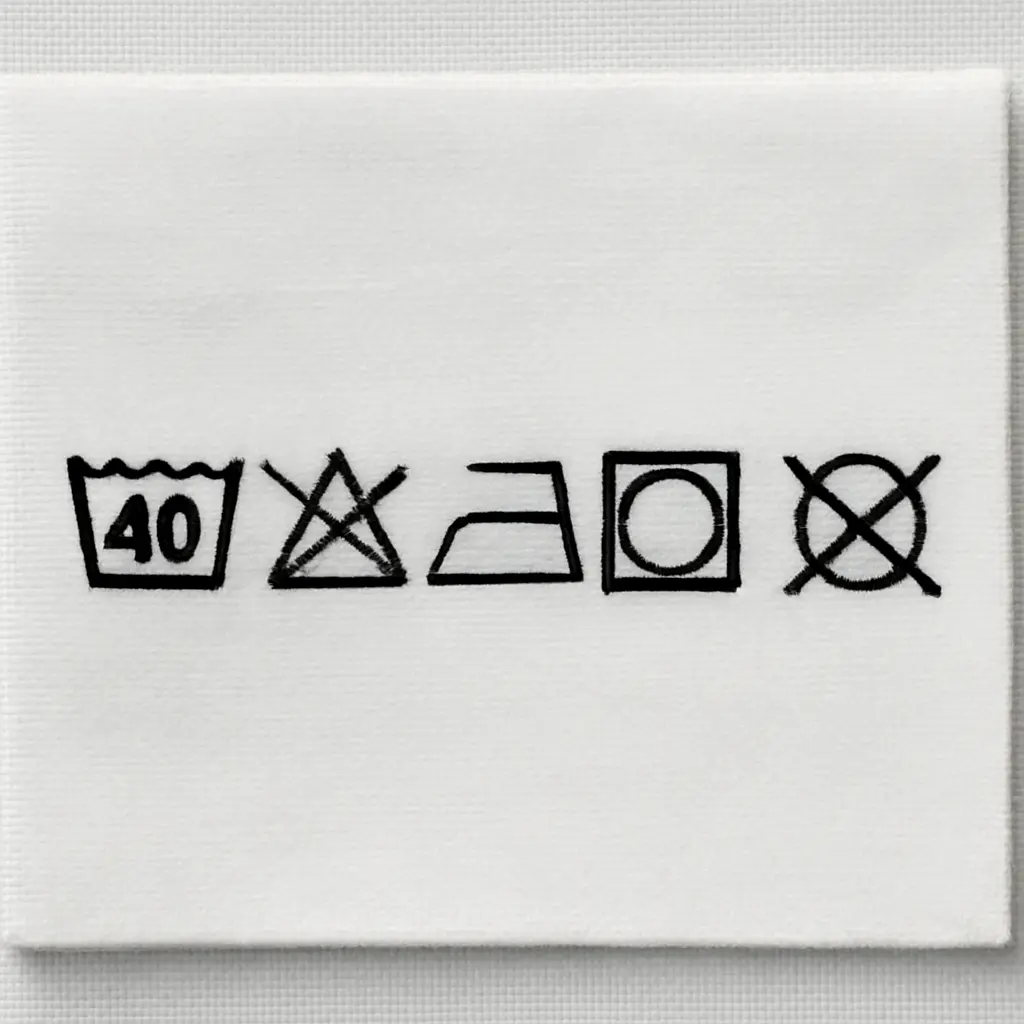
Below is a simple reference table for common symbols and what they imply for buyers. Use this as a quick cheat sheet when shopping online or in-store.
| Symbol | Meaning | Buyer Action |
|---|---|---|
| Washing tub (hand) | Hand wash only — delicate fabric | Accept only if you expect low-frequency use |
| Circle with P | Dry clean — professional cleaning required | Factor in cleaning costs |
| Triangle with X | No bleach — color-sensitive | Separate laundry to avoid damage |
| Square with circle X | No tumble dry — may shrink | Air dry and adjust expectations |
Using reviews and ratings like a pro
Customer reviews and third-party scores act as modern label readers. When you see consistent complaints about mislabeled care instructions, color bleed, or unexpected shrinkage, treat those as red flags. In the same way, gamblers rely on casino review ratings to evaluate trust and fairness, apparel shoppers should weigh seller ratings and review credibility before buying.
Look for patterns in feedback: multiple independent reports of the same issue are more telling than one-off complaints. Pay attention to photos and follow-up posts that confirm how garments held up after washing—those are the clearest signals of real-world label truthfulness.
When to walk away
Don't purchase when:
- The label lacks basic care details or is inconsistent with the product description.
- The seller has no clear return policy for mislabeled items.
- Customer reviews repeatedly cite safety or quality issues.
These are equivalent to a low-rated casino in the review space—persistent negative indicators that your risk of regret is high.
Final tips and takeaways
Reading labels is an easy habit that saves money and frustration. Keep these closing points in mind:
- Prioritize garments whose care fits your lifestyle; a beautiful piece that requires constant dry cleaning might not be "cheaper" in the long run.
- Use seller ratings and customer reviews as a secondary verification—trusted feedback is invaluable, much like credible casino review ratings help separate reputable operators from risky ones.
- When in doubt, ask questions. Transparent sellers will clarify label instructions and testing details.
By paying attention to the 7 hidden clothing label warnings above, you’ll make safer, smarter purchases, avoid avoidable costs, and enjoy garments longer. Labels are tiny documents of truth—treat them as seriously as you would a trusted rating or review.
Conclusion
Small tags pack big information. From flammability notices to subtle fiber blends, those tiny warnings affect safety, comfort, and cost. Combine careful label reading with diligent review-checking—think of seller ratings in the same way you treat casino review ratings—and you’ll shop with more confidence. A little attention up front often means fewer surprises later, better value, and safer choices for you and your family.
To leave a comment, please sign up or log in
Log in / Sign up