
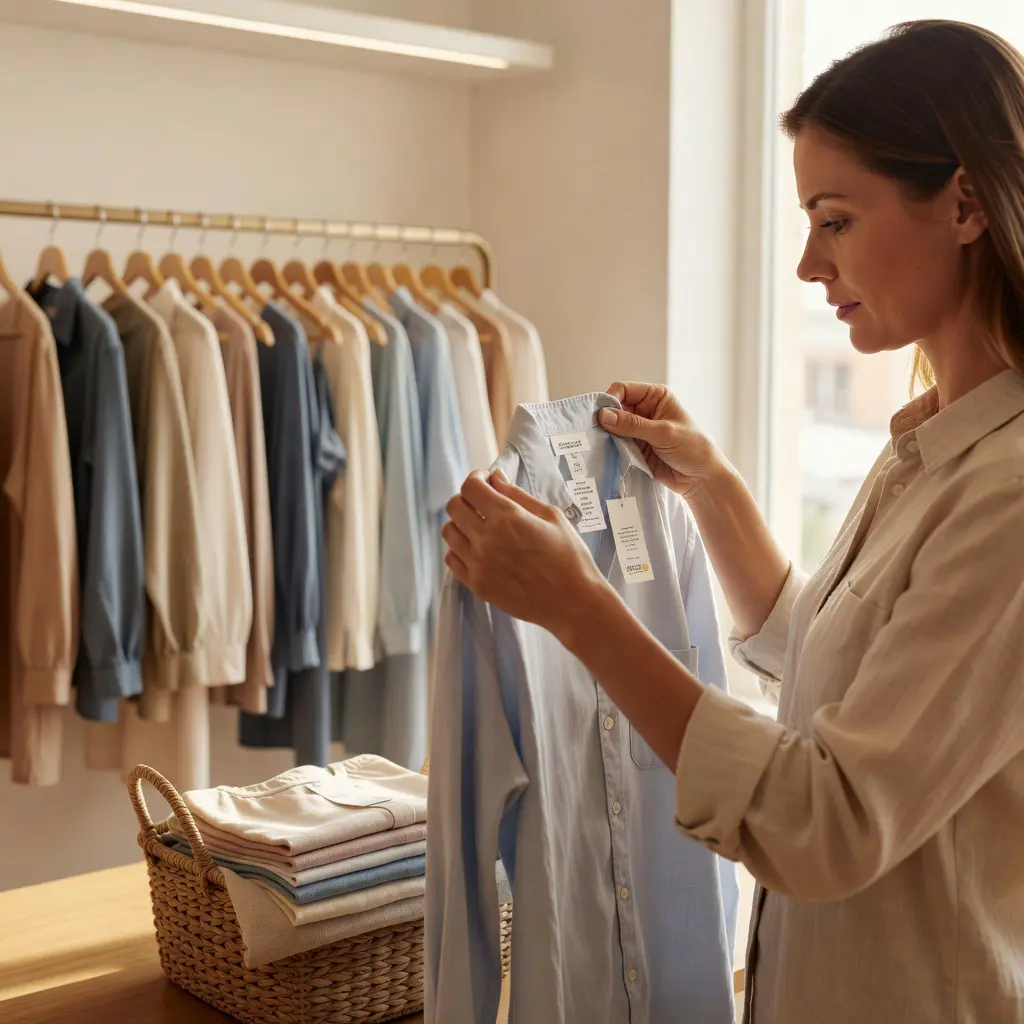
Why Clothing Safety Deserves Your Full Attention as a Consumer
In today's fast-fashion world, the growing conversation on safe clothing purchases forums is impossible to ignore: what you put on your body matters as much as what you put in it. From factory-floor shortcuts to synthetic blends that irritate sensitive skin, the risks hiding in an ordinary shirt or pair of jeans are more real than most shoppers realize. Whether you're buying for yourself, your children, or elderly family members, understanding the landscape of clothing safety can mean the difference between a healthy wardrobe and one filled with hidden hazards.
The news around safe clothing purchases has moved well beyond niche health circles and into mainstream consumer awareness. Safety advocates, dermatologists, and textile engineers are all calling for higher standards — and as a smart shopper, you have both the power and the responsibility to demand them. This article breaks down the six essential clothing safety rules that every informed buyer needs to know, giving you the knowledge to make purchases you can feel confident about every single time.
Before we dive into the rules themselves, it helps to understand why clothing safety has become such a pressing concern. Global supply chains have grown enormously complex, and fast-fashion brands often source materials from dozens of countries with varying levels of chemical regulation. The result is garments that may look and feel fine but contain residual traces of azo dyes, formaldehyde resins, heavy metals, or flame-retardant chemicals that accumulate on skin over time.
Rule 1: Always Verify Independent Chemical Safety Certifications
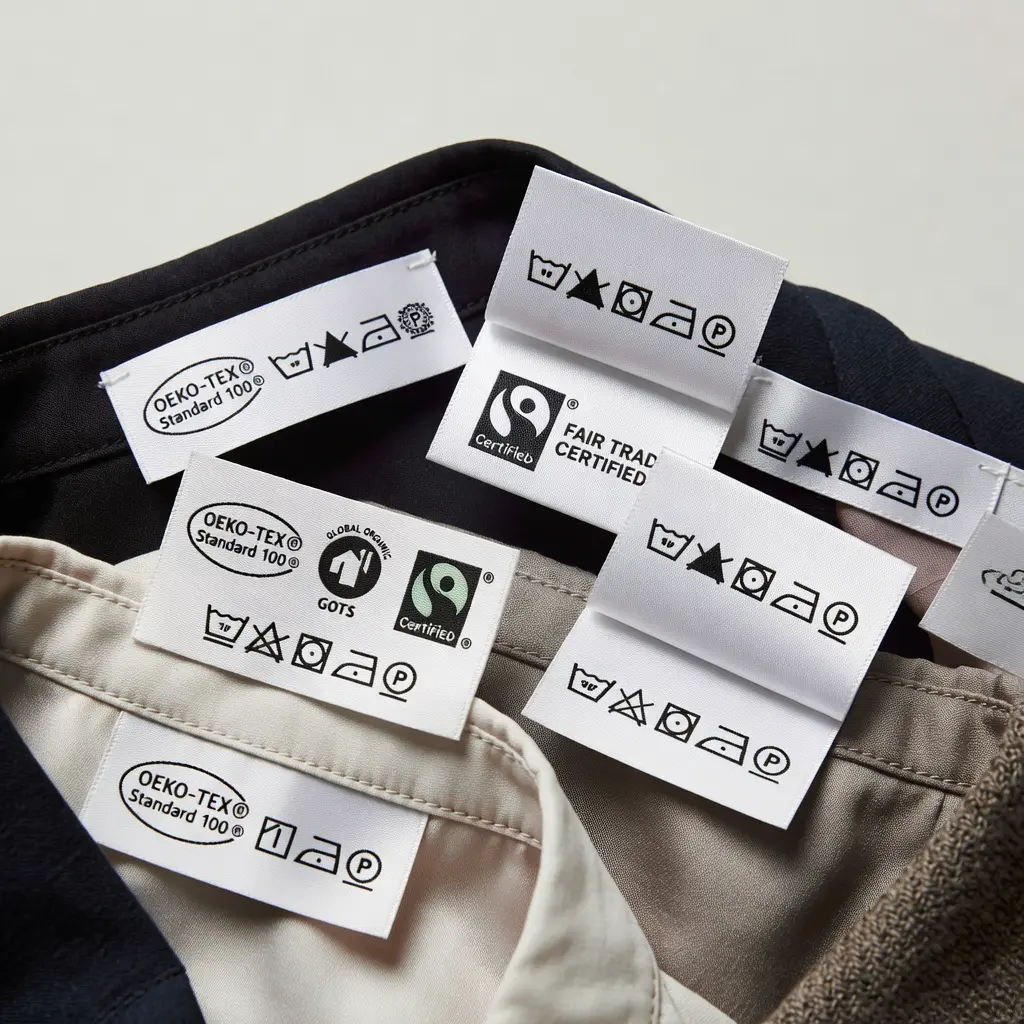
The single most reliable thing you can do before buying any garment is check for third-party chemical safety certifications. Labels like OEKO-TEX Standard 100, GOTS (Global Organic Textile Standard), and bluesign® are not awarded by the brand itself — they are issued by accredited laboratories that test fabrics against hundreds of potentially harmful substances. If a garment carries one of these certifications, it has been independently verified to be free from dangerous levels of pesticide residues, heavy metals, formaldehyde, and carcinogenic azo colorants.
Many shoppers confuse marketing buzzwords with real certification. A garment labeled "natural," "eco-friendly," or even "organic" carries no legal obligation without a supporting third-party certificate. Always look for a certification logo, a unique certificate number you can verify online, and the full name of the issuing body. If a product claims to be certified but you can't find a verifiable number, treat that claim with skepticism. Our resource on certified clothing labels explains exactly what each mark guarantees in practice.
Key Certifications at a Glance
| Certification | What It Tests | Best For |
|---|---|---|
| OEKO-TEX Standard 100 | 100+ harmful substances including pesticides, heavy metals, formaldehyde | All garment types, especially babywear |
| GOTS (Global Organic Textile Standard) | Organic fiber content, chemical use throughout the full production chain | Organic cotton and wool garments |
| bluesign® | Resource efficiency, consumer safety, and environmental standards | Outdoor and performance wear |
| Cradle to Cradle Certified | Full product lifecycle safety and recyclability | Premium sustainable fashion brands |
| Fair Trade Certified | Ethical labor practices and supply chain transparency | Ethically sourced garments across categories |
Rule 2: Understand the Real Hazard of Toxic Dyes and Chemical Finishes
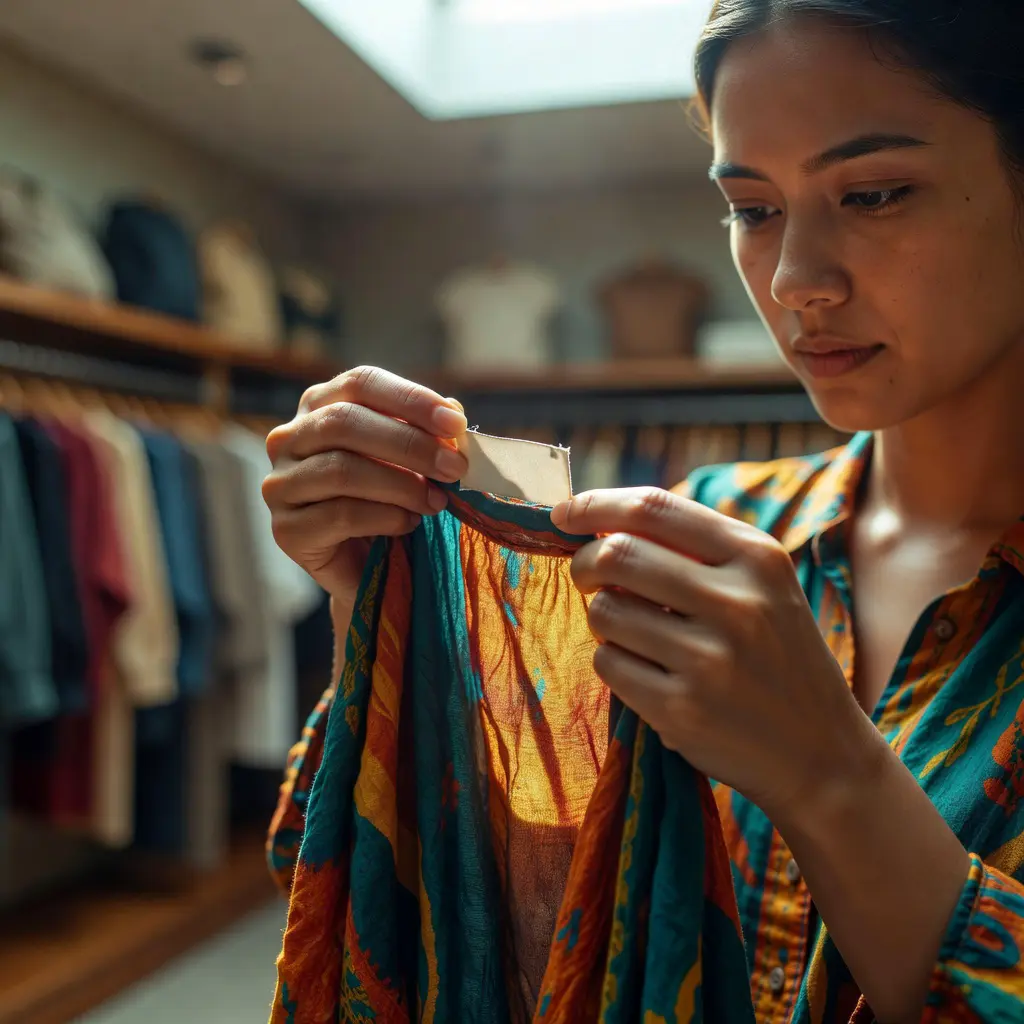
The vivid colors that make clothing so visually appealing can sometimes be its most dangerous feature. Many fast-fashion brands rely on synthetic azo dyes — a broad class of colorants — some of which break down on contact with skin and release cancer-causing compounds known as aromatic amines. The European Union enforces strict bans on the highest-risk azo dyes, but garments manufactured outside regulated markets may still contain them in concentrations that exceed safe thresholds.
Beyond dyes, chemical fabric finishes represent another significant concern. Wrinkle-resistant treatments frequently rely on formaldehyde resins; water-repellent coatings on outdoor gear have historically used PFAS ("forever chemicals"); and some antimicrobial treatments use silver nanoparticles or triclosan, both of which carry documented environmental and dermatological risks when they leach during washing. When buying treated fabrics, ask specifically what finishing chemistry was used and whether the brand has transitioned to safer PFAS-free alternatives.
How to Minimize Exposure to Chemical Finishes
- Choose garments with OEKO-TEX Standard 100 certification, which limits formaldehyde levels by garment category and wearer age
- Wash all new garments at least once before wearing to remove residual surface-applied chemicals
- Opt for brands that explicitly state they use PFC-free DWR coatings rather than traditional PFAS-based water repellents
- Treat labels reading "permanent press," "no-iron," or "wrinkle-free" with caution unless the garment carries a valid independent chemical safety certificate
- When buying sportswear or activewear, ask brands to disclose the specific antimicrobial technology used in their fabrics
- Check whether dark, richly colored garments — particularly reds, blacks, and deep purples — leave color transfer on skin after wearing, as this can indicate poor dye fixation and a higher absorption risk
Consumer advocacy groups have made real progress in highlighting these chemical risks, but the responsibility still largely falls on individual shoppers to conduct their own due diligence. Just as savvy consumers who pursue the best value in any field — from travel rewards to casino bonusy — know that reading terms carefully before committing is non-negotiable, clothing shoppers must develop the same habit of looking past the price tag and into the composition label.
Rule 3: Know Where Flammability Risk Hides in Your Wardrobe
Flammability is one of the most underappreciated clothing safety concerns, particularly for children's sleepwear and loose-fitting garments worn near open flames. In the United States, the Flammable Fabrics Act sets mandatory standards for children's sleepwear, requiring either inherently flame-resistant fabric construction or a snug-fit design that reduces the surface area available for ignition. Similar frameworks exist in the UK and EU, but they are far from universal, and garments imported from markets with weaker enforcement may not comply even when sold through reputable retailers.
For adults, flammability risk is equally real in occupational settings. Workers in commercial kitchens, laboratories, or anywhere near heat sources should prioritize certified flame-resistant workwear with documented protection ratings and documented compliance with NFPA 2112 or EN ISO 11612 standards. For everyday consumers, loose-fitting garments made from highly flammable materials like rayon, lightweight linen, or chiffon can ignite and spread fire with alarming speed — a fact worth considering when choosing what to wear near barbeques, fireplaces, or candles during seasonal gatherings.
Flammability Risk Levels by Fabric Type
- High Risk: Rayon (viscose), lightweight linen, open-weave chiffon — ignite quickly and sustain combustion rapidly
- Elevated Risk: Untreated 100% polyester — melts onto skin rather than burning away, causing deep thermal injury
- Moderate Risk: Cotton and cotton-polyester blends — burn steadily but less explosively than pure synthetics
- Lower Risk: Tightly woven wool and silk — naturally flame-resistant due to their high nitrogen and protein fiber structure
- Inherently Flame-Resistant Synthetics: Modacrylic, Nomex®, and Kevlar® — engineered specifically for high-hazard industrial and emergency service environments
Rule 4: Apply Extra Scrutiny to Every Children's Garment You Purchase
Children's garments require a separate and considerably more stringent standard of scrutiny than adult clothing. Beyond flammability, strangulation and choking hazards represent serious risks that have driven regulatory recalls across multiple continents. Drawstrings on hoods and waistbands have been responsible for tragic accidents involving playground equipment and vehicle doors — a risk now regulated in many jurisdictions. In the EU, drawstrings at the hood or neckline of children's garments sized up to 14 years are effectively prohibited, and both the US and Canada have issued strong regulatory guidance discouraging them across all children's sizes.
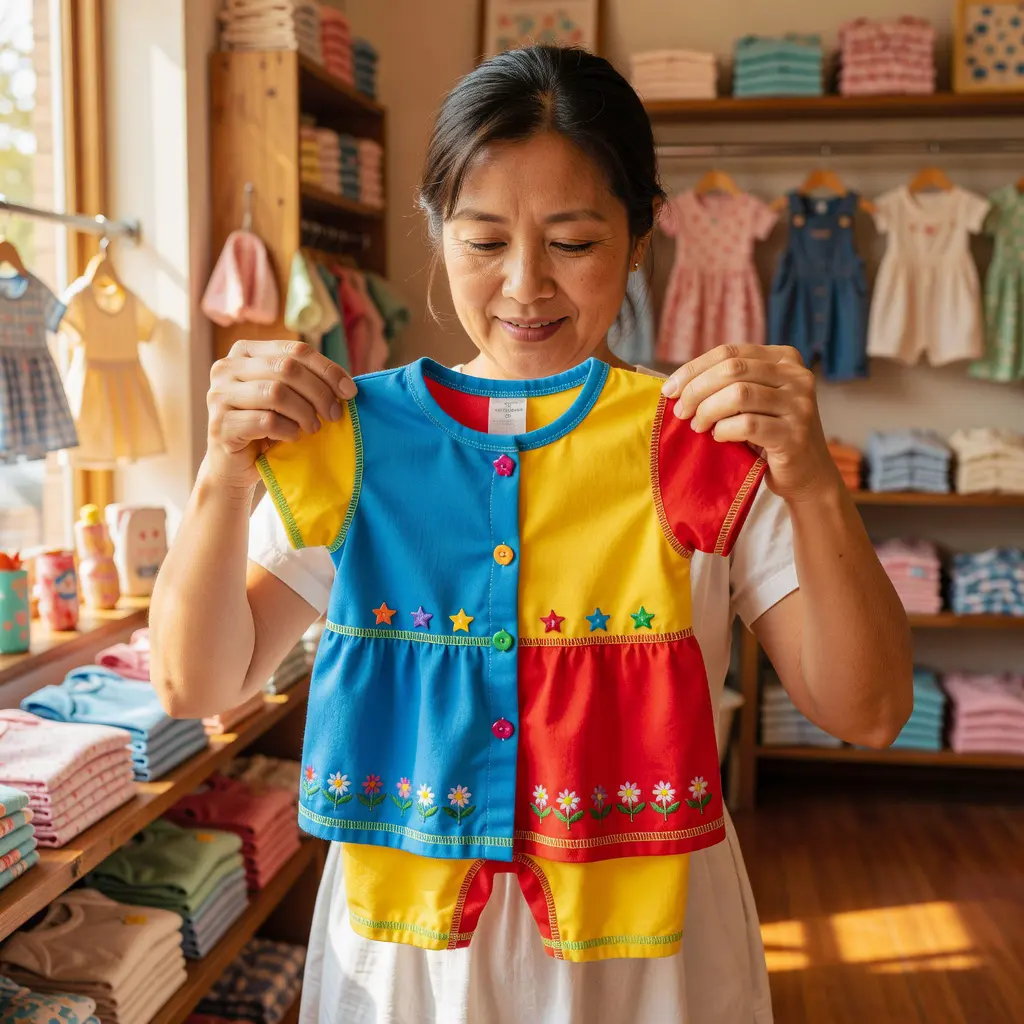
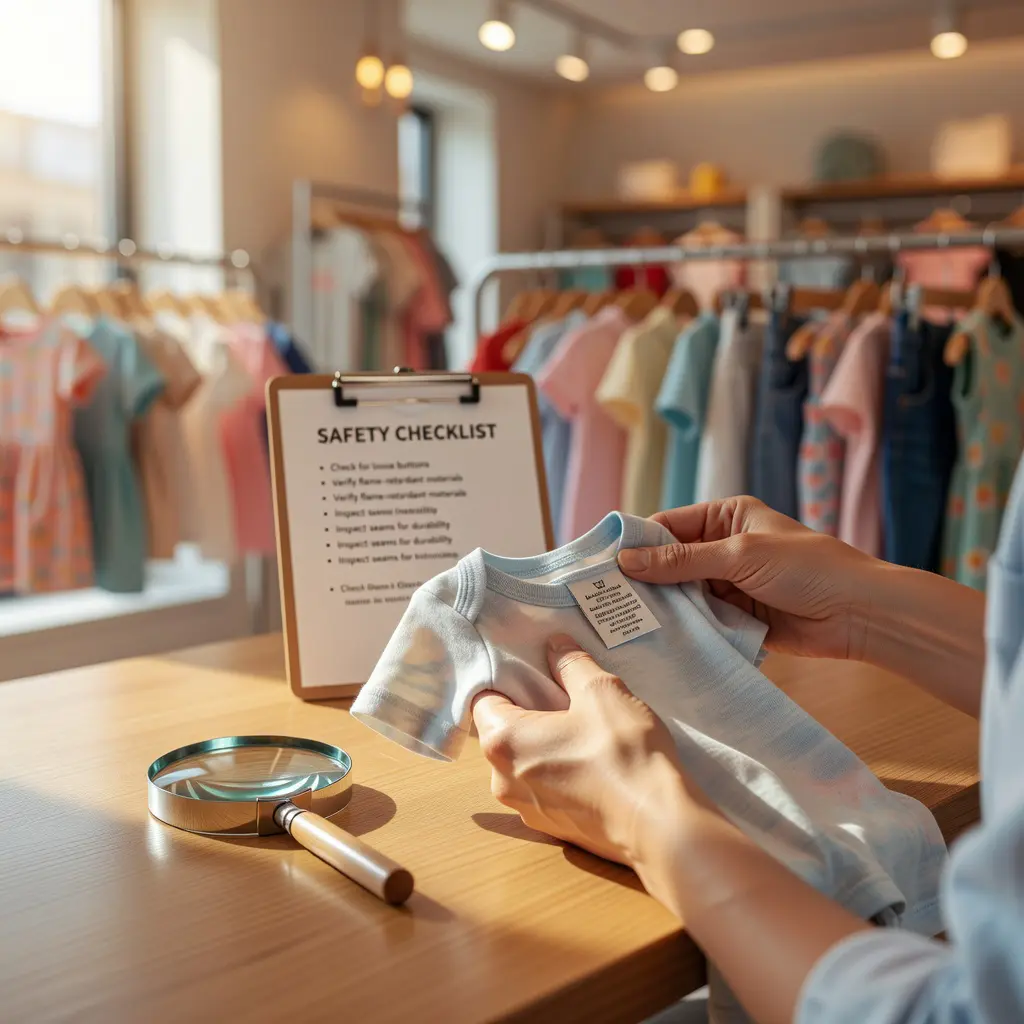
Beyond cords and strings, examine children's garments carefully for poorly secured decorative elements — buttons, sequins, appliqués, beads, and embroidered motifs that are glued or loosely stitched can detach and become choking hazards for children under three. Press, pull, and tug every decoration firmly before purchase; if anything shifts under moderate force, the garment is not appropriate for young children. This physical inspection is especially important when buying online, where you cannot examine the product directly. For anyone navigating online purchasing decisions for children's wear, a dedicated guide to buying safe clothing online provides a step-by-step framework for verifying sellers and products before completing a transaction.
Children's Clothing Safety Pre-Purchase Checklist
- No drawstrings on hoods or necklines for children's garments in any size
- Waistband cords should not protrude beyond the garment hem when fully extended
- All buttons and decorative elements must pass a firm tug test without shifting
- Seek OEKO-TEX Standard 100 Class I certification for all items intended for babies and toddlers under 24 months
- Avoid chemically treated flame-retardant sleepwear in favor of certified snug-fit alternatives made from inherently low-flammability materials
- Inspect all metal hardware — zippers, snaps, and clips — for sharp edges that could scratch or lacerate delicate skin
- Verify that UV-protective swimwear carries a documented UPF rating backed by standardized testing, not merely a brand marketing claim
Parents navigating the increasingly complex world of children's retail can find the volume of research genuinely overwhelming. Many turn to consumer review communities and trusted comparison platforms to share findings across product categories. In the same way that informed hobbyists rely on specialized platforms for their areas of interest — for example, https://czkasino.cz/ serves Czech consumers who want reliable, aggregated comparisons before making decisions — clothing safety communities provide the kind of peer-verified, real-world testing data that brand marketing simply cannot replicate.
Rule 5: Investigate Country of Origin and Supply Chain Transparency
The country where a garment was manufactured tells you a considerable amount about the regulatory environment it was produced in. The European Union enforces some of the world's strictest chemical controls for textiles through REACH regulation (Registration, Evaluation, Authorisation and Restriction of Chemicals), which restricts thousands of hazardous substances across the entire product lifecycle. The United States applies a patchwork of regulations, with California's Proposition 65 often leading national standards. However, some garment-manufacturing countries maintain far more permissive regulatory environments, and products destined for export may not be held to the importing country's chemical standards during the actual production process.
This does not mean every garment from a lower-regulation country is inherently unsafe — but it does mean that independent certification becomes disproportionately important when brands manufacture in markets with limited regulatory oversight. Prioritize brands that publish factory audit results, participate in the Fair Labor Association, or hold their full supply chain to Bluesign or equivalent standards. Meaningful transparency in supply chain reporting — not vague sustainability claims — is one of the clearest signals that a brand takes safety seriously at every stage from fiber to finished garment. If a brand cannot tell you where its fabric was dyed and finished, that is itself a significant red flag.
Rule 6: Always Wash New Clothing Before You Wear It the First Time
This final rule is deceptively simple but profoundly impactful: wash every new garment before you wear it for the first time. During manufacturing, storage, and long-distance shipping, garments accumulate finishing chemicals, sizing agents (starch-like coatings that produce the stiff, crisp feel of new clothes), mold-preventive treatments, and in some cases residues from warehouse or shipping container environments. A single wash cycle removes the overwhelming majority of these surface-applied substances before they make sustained contact with your skin.
Washing instructions matter considerably here. Most finishing chemical residues are water-soluble and will rinse out in a standard machine cycle, but some — particularly PFAS-based treatments and certain reactive dye fixatives — are engineered to resist water and may require multiple consecutive washes to reduce significantly. Always wash new dark clothing separately from lighter garments for the first two or three cycles, as dark dyes can continue to transfer until fully fixed into the fiber matrix. Use a fragrance-free, dye-free laundry detergent for the first wash of garments intended for children or anyone with sensitive or reactive skin, and always respect the garment's care label temperature recommendations to avoid shrinkage while still achieving effective contaminant removal. If you are interested in building on this approach to discover more consumer safety insights across categories, read more here about navigating informed purchase decisions with the same rigor applied across different consumer markets.
Bringing the 6 Rules Together Into a Practical Shopping Framework
Knowing the six rules is only half the challenge — applying them consistently under real shopping conditions is where most consumers struggle. Whether you're browsing a physical store or scrolling through a retailer's online catalog, time pressure and the sheer volume of available choices can lead to shortcuts. The most effective solution is to build a pre-purchase mental checklist that becomes automatic through repetition, requiring no extra effort once the habit is established.
Start with certification status (Rule 1), then check the care label for fabric composition and any indicated treatments (Rules 2 and 3), scan for safety features relevant to the intended wearer's age and environment (Rule 4), research the brand's supply chain transparency if it is unfamiliar to you (Rule 5), and commit to washing before wearing regardless of how urgently you need the garment (Rule 6). This systematic approach works equally well for budget purchases and premium investments — chemical hazards and mechanical safety risks are not exclusive to inexpensive garments, and high price points provide no guarantee of compliance with safety standards.
The 6 Rules: Quick Reference Summary
- Verify independent chemical safety certifications — look for OEKO-TEX, GOTS, or bluesign® logos with verifiable certificate numbers
- Investigate dyes and fabric finishes — avoid formaldehyde treatments, PFAS coatings, and unverified synthetic azo colorants
- Assess flammability risks by fabric type — prioritize compliant children's sleepwear and certified flame-resistant workwear where relevant
- Apply rigorous scrutiny to children's garments — check all cords, decorations, hardware, and age-appropriate certification classes
- Evaluate country of origin and supply chain transparency — prioritize brands with audited factories and published sourcing disclosures
- Wash before wearing, every single time — always launder new garments before first use to remove manufacturing residues
A Safer Wardrobe Begins With Better Questions
The six clothing safety rules outlined in this article represent the foundation of truly informed consumer behavior. When you understand what certifications actually guarantee, how to identify chemical risks that marketing language obscures, which fabric types carry genuine flammability hazards, how to protect children from mechanical dangers that bypass chemical safety entirely, why supply chain transparency is a leading indicator of brand trustworthiness, and why that first wash is a non-negotiable habit — you have fundamentally changed your relationship with clothing as a consumer category.
These principles align directly with the broader mission of platforms and communities dedicated to safe clothing purchases: to cut through greenwashing and vague brand claims and give shoppers the factual, actionable information they actually need to protect themselves and their families. In a market saturated with aspirational environmental messaging and unverified safety claims, knowledge remains your most powerful tool. Apply these six rules with consistency, and you will build a wardrobe you can genuinely trust — one garment, one verified label, and one well-informed purchase decision at a time.
The conversation around clothing safety continues to evolve as new research updates our understanding of which substances and design features pose the greatest long-term risks. Stay connected with credible consumer safety communities, bookmark independent certification databases like the OEKO-TEX label check tool, and do not hesitate to contact brands directly to ask specific questions about their safety standards and testing protocols. The smartest shoppers are not always those who spend the most — they are the ones who ask the most informed questions before spending anything at all.

Comments
I didn’t realize how risky some common dyes could be—after reading this, I’m definitely checking for OEKO-TEX or GOTS labels before buying bright-colored shirts.
I never realized how much flammability varies by fabric—definitely makes me rethink those lightweight linen shirts I usually grab for summer.
I never realized how much residual chemicals could linger on new clothes—definitely going to start washing everything before wearing, especially my kids’ outfits.
That section on “wrinkle-free” finishes using formaldehyde resins made me rethink a few work shirts I own. Is there any reliable way to tell from a tag if a garment has that kind of treatment besides seeing OEKO-TEX?
On the certifications part, how do you actually verify an OEKO-TEX or GOTS certificate number online—are there official lookup tools, or is it basically just trusting whatever the brand posts?