
Introduction: Why labels promise safety — and often miss the mark
Consumers rely on clothing labels to make quick judgments about safety, materials, and care. Yet, many labels that claim "safe," "non-toxic," or "meets standards" fall short in real-world use. In this article you'll learn why labels fail, how to spot real safety, and practical, actionable steps to buy now with confidence. Along the way we'll use comparisons to familiar rating systems — including how people interpret casino review ratings — to show what a trustworthy signal looks like and why transparency matters.
What "safe" on a label usually means — and what it doesn’t
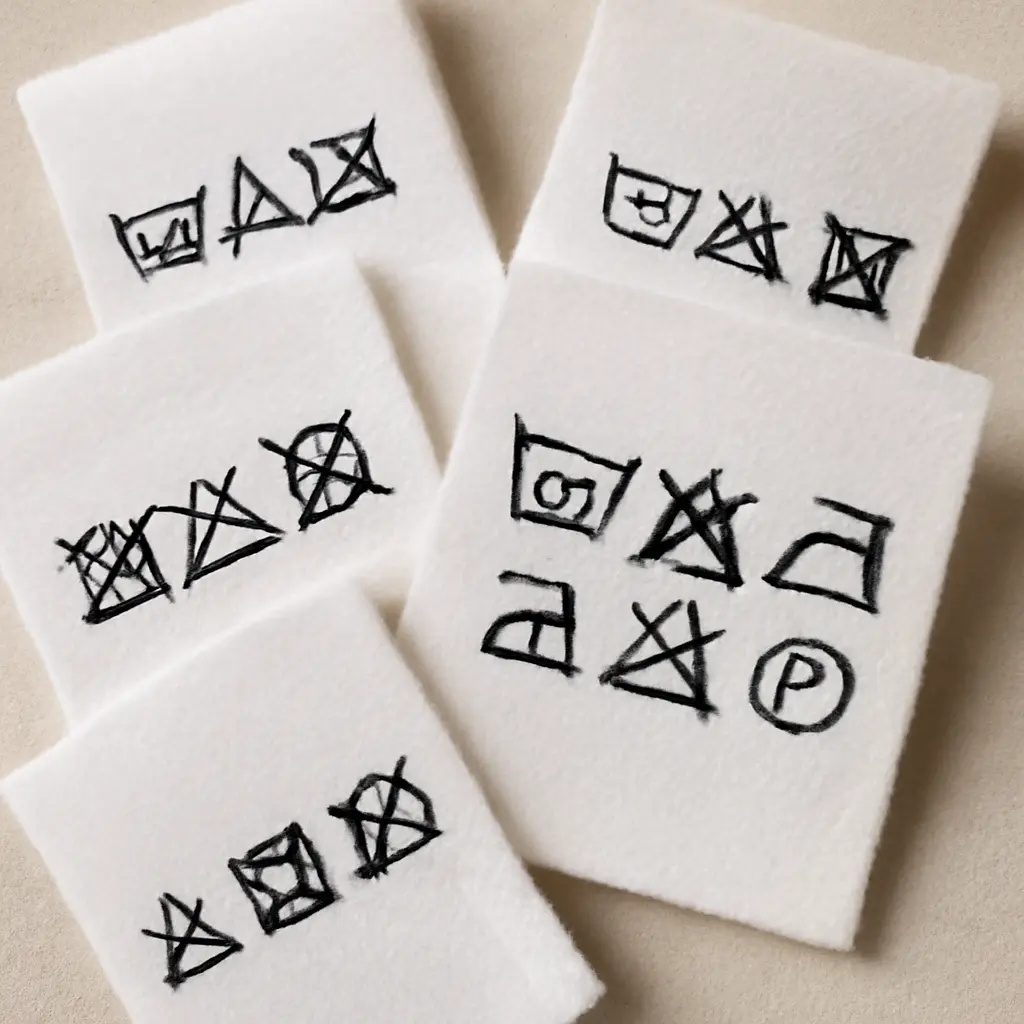
Labels can communicate many things: fiber content, washing instructions, flame resistance, or certifications like OEKO-TEX. However, the presence of a claim is not the same as verified safety. A label might say "tested" without specifying the test, or display a logo that looks official but lacks any traceable certificate. Just as shoppers use aggregated star systems like casino review ratings to judge online sites, clothing buyers need consistent, verifiable metrics to trust a safety claim.
Common reasons safe clothing labels fail
There are recurring causes behind misleading or ineffective labels. Understanding these helps you avoid false confidence and make smarter purchases.
- Vague claims: Terms like "non-toxic" or "eco-friendly" without details.
- Outdated testing: Safety tests done years ago may not reflect current hazards.
- Third-party gaps: Internal testing is less reliable than accredited labs.
- Regulatory differences: Regional standards vary; a label valid in one country may not apply elsewhere.
- Supply-chain opacity: Labels don't always reveal where components were sourced.
How poor labeling compares to misleading ratings
Think about the difference between a verified casino review rating from an independent review and a self-awarded score. The former includes methodology, transparency, and often user feedback; the latter can be promotional. The same applies to clothing labels: independent third-party certification and readily available testing details are the difference between a meaningful safety signal and marketing copy.
When you see a safety claim, ask: who issued it, what exactly was tested, and when? If you wouldn't trust a casino review rating without a methodology, you shouldn't trust a "safe" clothing label without documentation.
Smart steps to buy now — practical checklist
Use this sequence to evaluate clothing safety quickly and confidently. Treat each step as an independent checkpoint, like how experienced players cross-check casino review ratings before depositing money.
- Read the label for specific standards (e.g., flammability standard codes or certification names).
- Look up the certification body online to confirm accreditation.
- Check the date of testing or certification — prefer recent tests.
- Search for third-party lab reports or batch identifiers when possible.
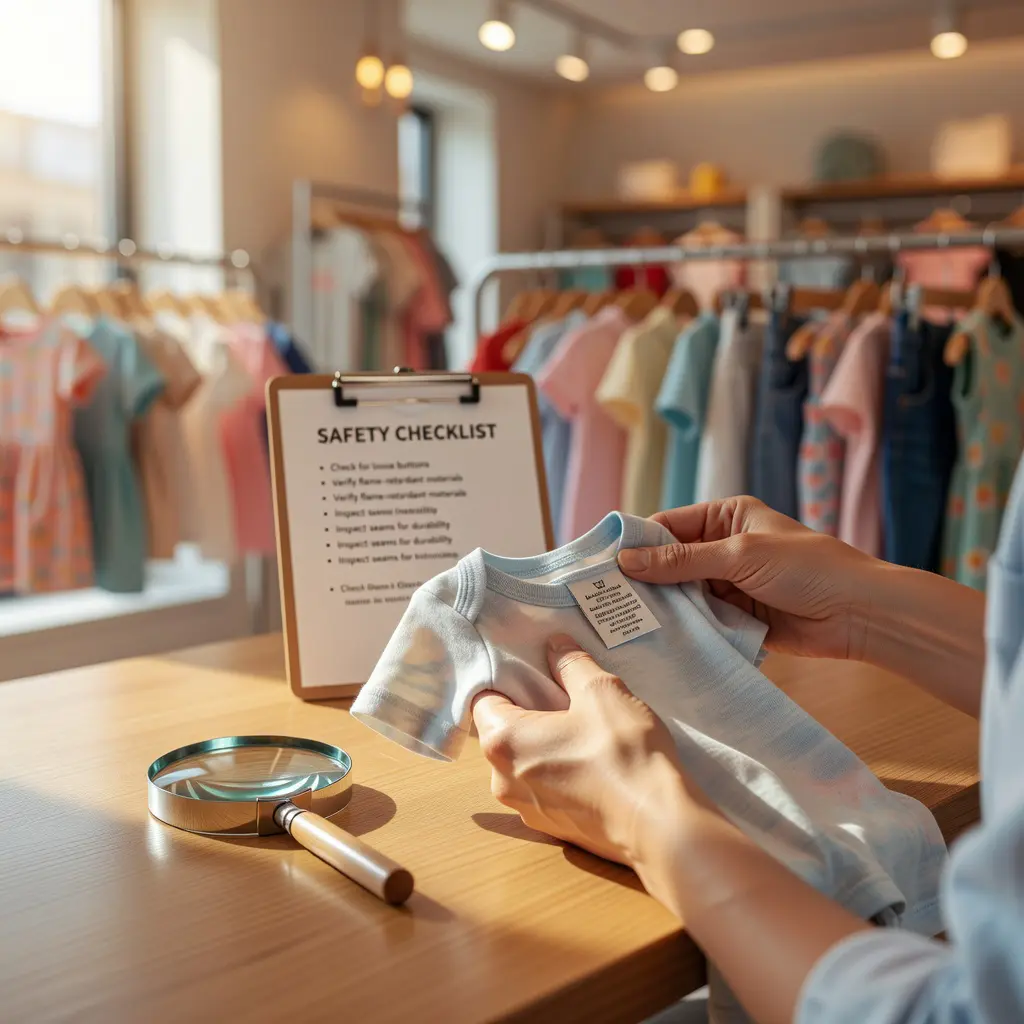
- Inspect garment construction for hazards (loose buttons, long ties).
- Compare alternatives and consider user reviews for real-world issues.
- If unsure, contact the retailer and request documentation.
Quick in-store and online buying tips
Here are actionable flags to watch for while shopping:
- Clear certification names (not just logos).
- Recent test dates on product pages or tags.
- Specific hazard labels (e.g., "meets formaldehyde limits").
- Transparent supply chain info — factory or region listed.
When shopping online, scan for product pages that include lab reports or links to the certifier. Shoppers who treat clothing safety reviews like they treat casino review ratings — verifying sources and methodology — reduce their risk of buying unsafe apparel.
Data snapshot: label claims vs reality
The following table summarizes typical label claims, what they usually imply, and what you should verify before trusting the claim.
| Label Claim | Common Reality | What to Verify |
|---|---|---|
| Non-toxic | May be manufacturer-tested, not independent | Third-party lab report or certification body |
| Organic | Fiber may be organic, but finishing chemicals still used | Scope of certification and residues testing |
| Flame-resistant | Tested to specific standards or only treated surface | Standard code (ASTM, EN) and test date |
| Hypoallergenic | No legal definition in many regions | Clinical testing or allergen screening details |
How to interpret third-party certifications — and red flags
Legitimate certifications come from recognized labs or accreditors. If a brand points to a certifier, do a quick check: search for the certifier name and the product model. If you can't find verification, treat the claim skeptically. Similarly, a high consumer score for a product that lacks certification is like a website with glowing reviews but poor methodology in its casino review ratings — it may be popular but not fully trustworthy.
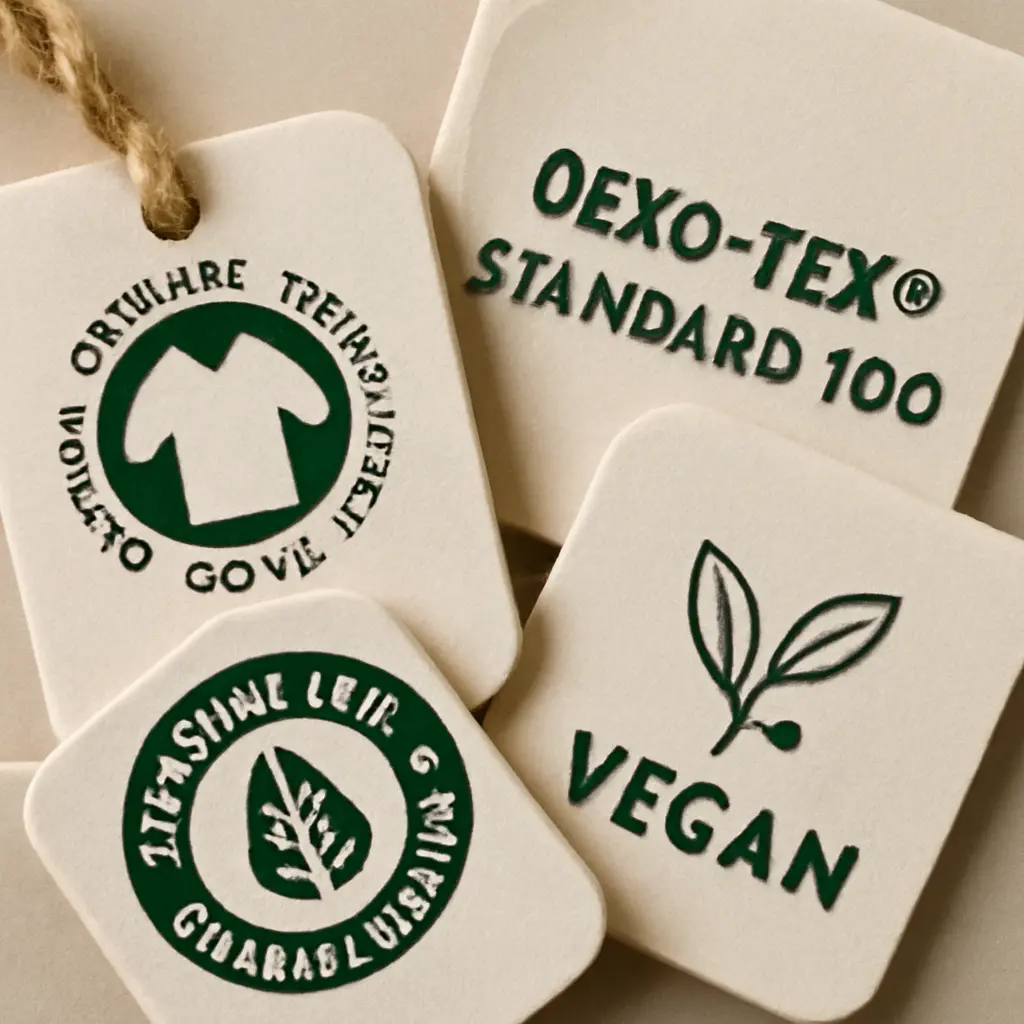
Brands that provide direct links to lab certificates or display a certificate number are signaling better transparency. If the certificate is absent or the number doesn't check out, that's a major red flag.
Practical scenarios and what to do
Below are realistic shopping scenarios and step-by-step responses you can use immediately.
Scenario A: Online listing says "tested and safe"
Action steps:
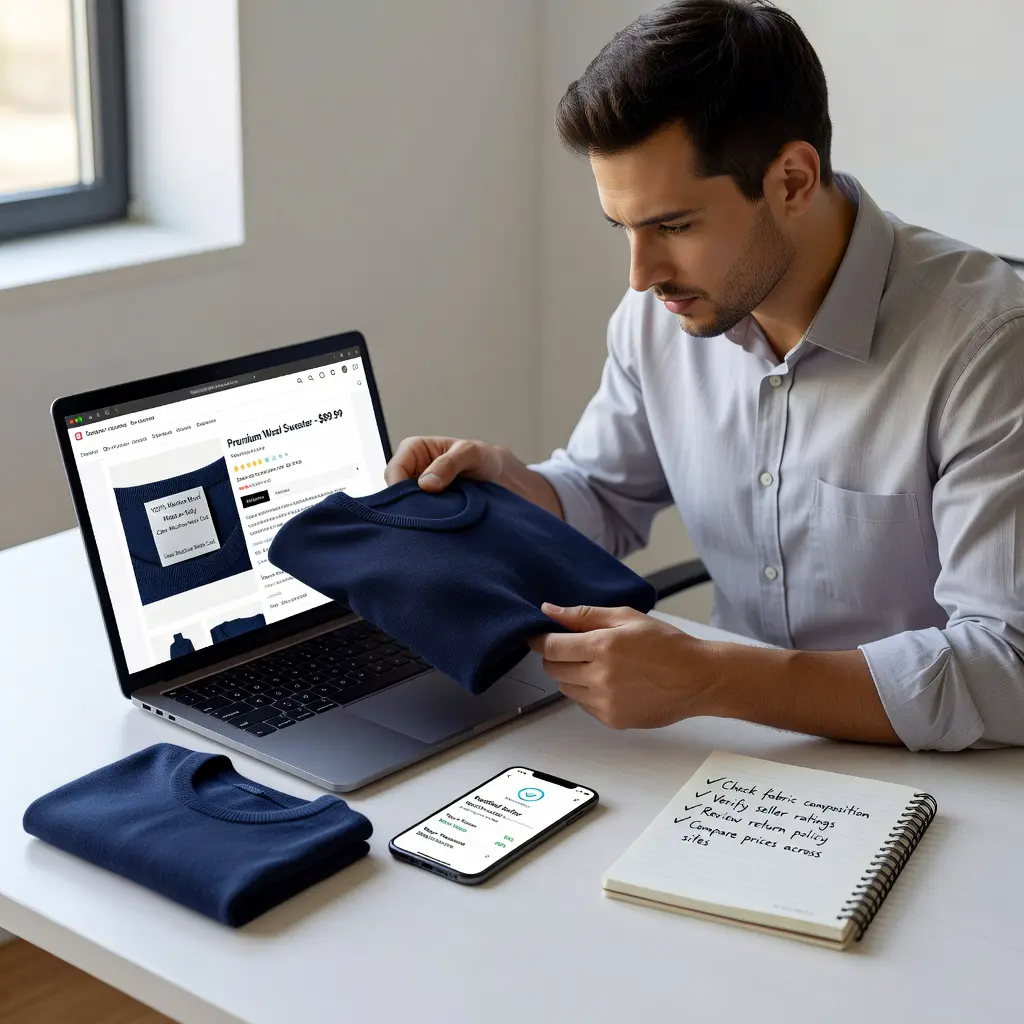
- Scroll to product details and search for certifier names or report PDFs.
- Check the seller’s Q&A or contact customer support for the test date; ask for the lab name.
- Look for peer reviews mentioning durability or adverse reactions.
If the seller can't provide evidence, treat the claim like an unverified casino review rating and consider alternatives with clearer proof.
Scenario B: In-store tag with a logo you don't recognize
Action steps:
- Note the logo and return home to search for that organization's accreditation.
- Check if that logo is used broadly or if it appears only on the brand's materials.
- Ask staff if they can produce a certificate or lab report.
Logos without traceable verification are often marketing devices; the safe bet is to prefer labels tied to known certifiers.
Why transparency matters — parallels with casino review ratings
Transparency is the core trust mechanism in both clothing safety and online entertainment. Casino review ratings gain credibility when reviewers share evaluation criteria, testing procedures, and conflict-of-interest disclosures. Clothing brands that offer the same level of openness — detailed test methods, independent lab links, and up-to-date certificates — create a reliable purchasing environment. When transparency is missing, even strong-sounding labels can be worthless.
Checklist: Minimum verification before purchase
- Certifier name and verifiable link
- Test date within the last 2–5 years
- Batch or certificate number where applicable
- Visible supply-chain info or factory details
- User reports mentioning safety or adverse issues
Conclusion: Shop smarter by demanding verification
Labels are useful starting points, but they are not definitive proof of safety. Use the same critical approach you apply to evaluating casino review ratings: look for methodology, independent verification, and current data. Follow the practical steps above — inspect certification names, request lab reports, and prioritize transparency — and you'll reduce the chance of buying unsafe clothing. The payoff is simple: greater peace of mind, fewer recalls or surprises, and better protection for your family.
Final two-minute buying ritual
Before checkout, run through this quick ritual:
- Confirm certification or lab report exists.
- Check test date for recency.
- Scan user feedback for safety complaints.
- If in doubt, choose a product with clearer documentation.
By treating label claims with skepticism and valuing transparency as you would with trusted casino review ratings, you can make safer clothing choices without sacrificing convenience. Happy and safe shopping!
To leave a comment, please sign up or log in
Log in / Sign up