
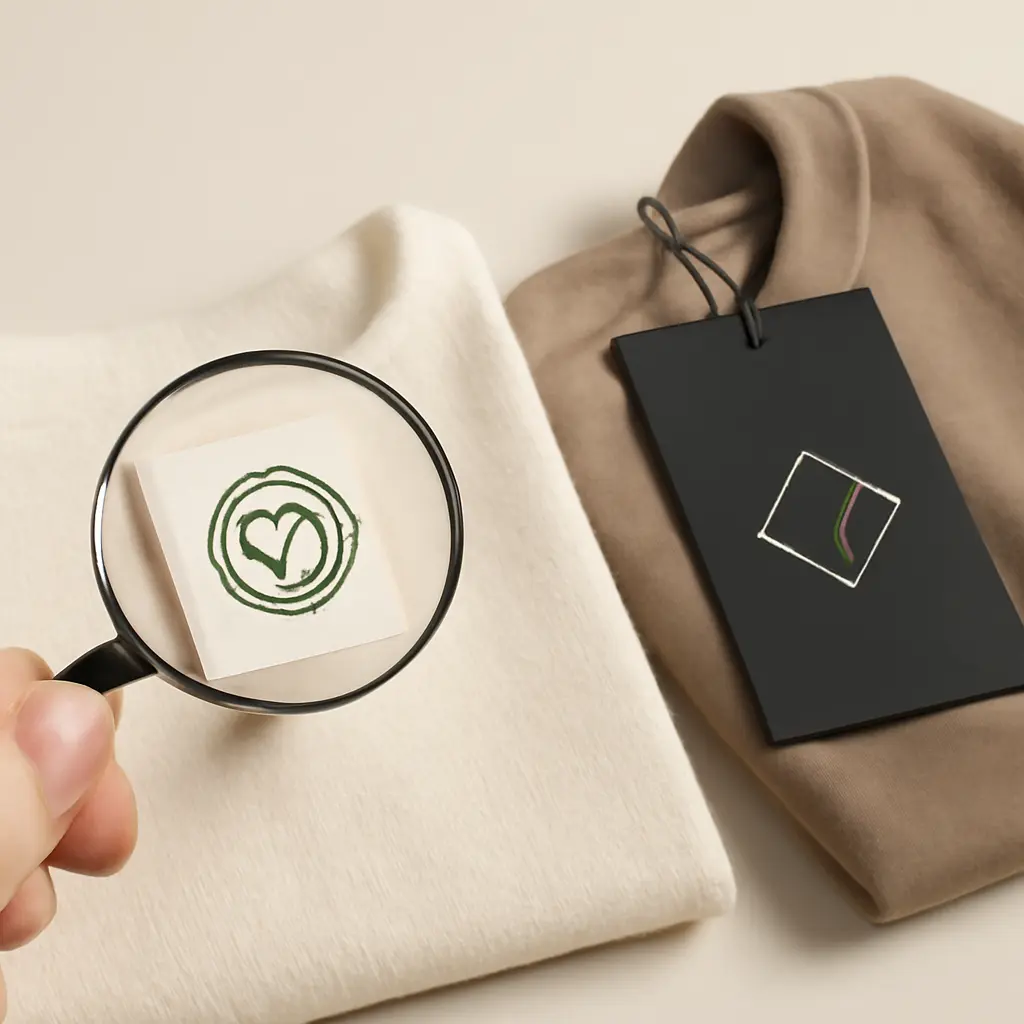
Why certified labels matter more than brand claims for safer clothing
Certified labels are the closest thing shoppers have to a reliable safety signal when buying garments, but the marketplace is full of persuasive brand claims that muddy decisions. In a world where product pages, influencer posts, and even retail banners promise “eco” or “non-toxic,” a real certificate backed by testing or third-party audits is what separates a safe purchase from a risky one. Think of it like reading casino review ratings before placing a bet: the independent score matters far more than a flashy claim from the house.

When you want to shop health-forward, focus on the label—not the advertisement. A good starting point is to consult a concise resource like the Safe Clothing Guide for practical steps to read labels and interpret tests. Just like comparing casino review ratings to judge the trustworthiness of an operator, comparing certification standards gives you a clearer picture of what was actually tested, the scope of the audit, and whether any harmful chemicals were considered.
What a certification actually proves (and what it doesn’t)
Certifications are not all equal. Some verify chemical limits, others audit social and environmental practices, and some combine both. Key programs to recognize on labels include OEKO-TEX, GOTS (Global Organic Textile Standard), Bluesign, and GRS (Global Recycled Standard). Each covers different risks: fiber origin, restricted substances, manufacturing controls, and traceability. Unlike vague brand statements, these schemes publish criteria and often keep public lists of certified producers—similar to how independent casino review ratings publish methodology and verified results.
| Certification | Main focus | What it guarantees |
|---|---|---|
| GOTS | Organic fibers + processing | Organic fiber content, production limits on chemicals, social criteria |
| OEKO-TEX | Chemical limits | Restricted substances list and product testing for safety |
| Bluesign | Manufacturing controls | Resource-friendly production and low chemical impact in factories |
| GRS | Recycled content | Verified recycled material content and chain of custody |
Use the table above as a quick comparison, but remember that verification depth varies. A single certification might be narrow in scope, so cross-check labels. This approach mirrors how many consumers use aggregated casino review ratings—they look at multiple trusted sources before making a decision.
Quick ways to spot trusted certifications
Before you add an item to cart, run these fast checks:
- Look for a known seal and the issuing body's name, not just a logo.
- Check certificate validity by searching the certifier’s online registry or QR code on the tag.
- Read the small print—what exactly is covered: fiber, manufacturing, or chemical tests?
- Watch for scope limits (e.g., “tested for harmful dyes only”).
- Prefer multiple verifications when possible (chemical + social).
These quick checks are practical the same way savvy shoppers consult multiple sources to confirm a business’s trustworthiness—just as careful bettors consult several casino review ratings before choosing an operator.

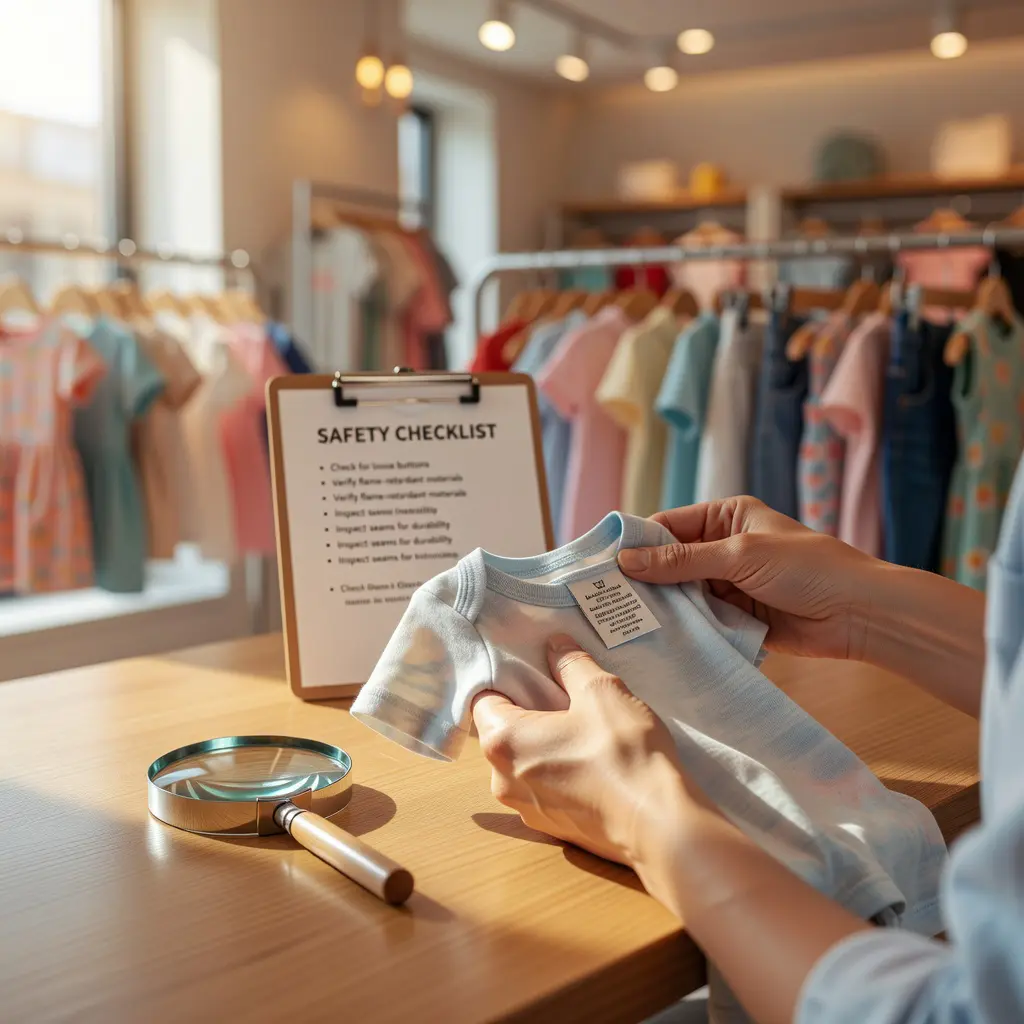
Shopping online adds another layer of risk because you can’t physically inspect labels. Follow a short verification routine to reduce uncertainty. The next section gives an ordered checklist you can run through in under five minutes.
- Identify the seal: If you don’t recognize it, search the certifier’s name.
- Confirm authenticity: Look for certificate numbers or a registry entry on the certifier’s site.
- Check the scope: Is it testing for chemicals, organic fiber, social standards, or only recycled content?
- Cross-reference with reviews: Read third-party reviews and consumer reports (similar to checking reliable casino review ratings).
- Ask the seller: Reputable vendors should provide certificate copies or links quickly.
- Trust but verify: If anything is vague, treat brand claims as unverified until proven.
These steps are especially important when a product’s page emphasizes buzzwords—“natural,” “non-toxic,” or “eco-friendly”—without specific backing. If a brand leans only on marketing language, it resembles an operator that advertises big odds but lacks credible casino review ratings: proceed cautiously.
Red flags and common label traps
Be wary of:
- Made-up seals—generic icons with no issuer listed.
- Selective claims like “free from X” without context—does it mean all harmful chemicals or just one?
- Old certificates with expired dates or no recent audits.
- Copycat language that mimics certifier wording but omits verifiable proof.
When in doubt, search the certifier’s website or contact them directly. This mirrors how consumers cross-check online sources and casino review ratings to filter out biased information.
Putting it into practice: a short shopping workflow
Adopt a repeatable habit to make safer choices. Try this practical workflow:
- Scan tags/photos for certification names and numbers.
- Open a new tab to search the certifier’s site for the producer or product.
- Verify the certificate date and scope.
- Read at least one independent buyer review or report—analogous to reading a trusted casino review rating summary for balance.
- If still unsure, choose a different item with clearer proof.
Following a short routine like this turns vague brand promises into measurable decision criteria—helpful when shopping under time pressure or when buying for sensitive populations like children or people with chemical sensitivities.
Final takeaways
Certified labels should be your primary trust signal when evaluating clothing safety; brand claims are useful only when backed by verifiable certification. Cross-check certificates, verify scope, and prefer multiple audits. If you want deeper, step-by-step verification methods, see tips to Verify Labels. As with any complex decision, synthesize multiple sources—think of independent casino review ratings—to avoid one-sided information.
Shopping for safer garments doesn’t require perfection, but it does require skepticism and a few minutes of verification. Armed with the right checks and a focus on real certifications, you’ll build a healthier wardrobe without falling for polished branding or empty greenwash.


Comments
Tried the registry check tip—turned out the OEKO-TEX tag on a jacket I bought last year had expired. Returned it after confirming the certificate date.
Bought a "non-toxic" baby onesie last year; only after checking the OEKO‑TEX registry did I see the certificate was expired — now I always scan tags and look up the certifier before buying.
I follow the checklist, but how often do QR codes on tags actually link to a certifier’s registry instead of just the brand’s marketing page? I once scanned one that redirected to product photos, which made me wary.