
How to Buy Clothing Safely in 2024: Labels, Tests, and Smart Shopping
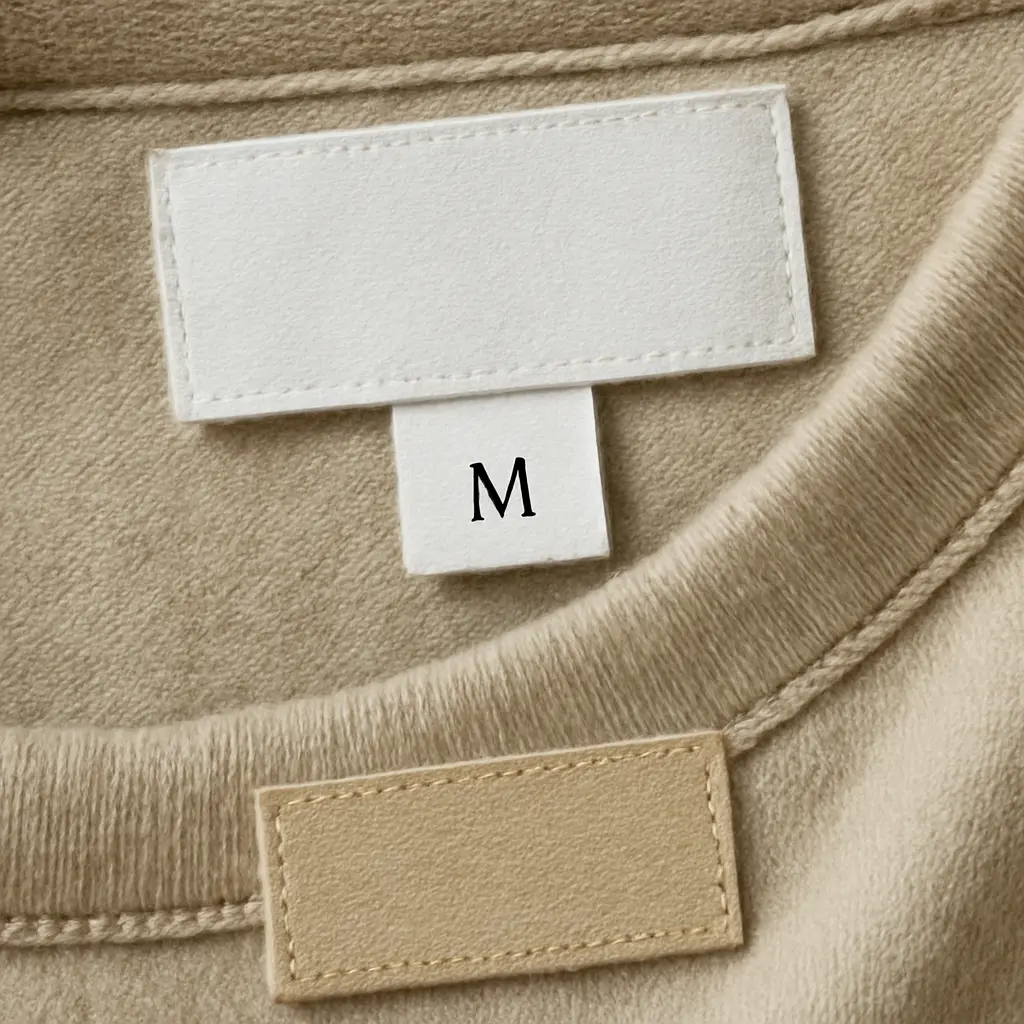
Buying clothes today means doing more than choosing a style — it's about understanding fabric safety, chemical tests, and the real meaning behind labels. This guide gives a practical roadmap for reading labels, interpreting test results, avoiding toxic fabrics, and shopping smarter in 2024. Along the way we'll draw useful comparisons to casino review ratings—both are systems that help you judge trust, transparency, and risk.
Why safety matters: toxins, health, and trust
Clothing can carry hidden hazards: residues from dyeing, flame retardants, and per- and polyfluoroalkyl substances (PFAS). These chemicals can be persistent and bioaccumulative. Just like a good set of casino review ratings highlights trustworthy operators, credible labels and lab tests point to safer garments. Look for clear claims and third-party verification rather than marketing buzzwords.
Key label terms and certifications to trust
Start by scanning for recognizable standards. OEKO-TEX, GOTS, and REACH have different scopes—some focus on chemical limits, others on organic production. When a label lists limits for volatile organic compounds (VOCs) or certifies low phthalates, treat it as a sign of effort toward safety.
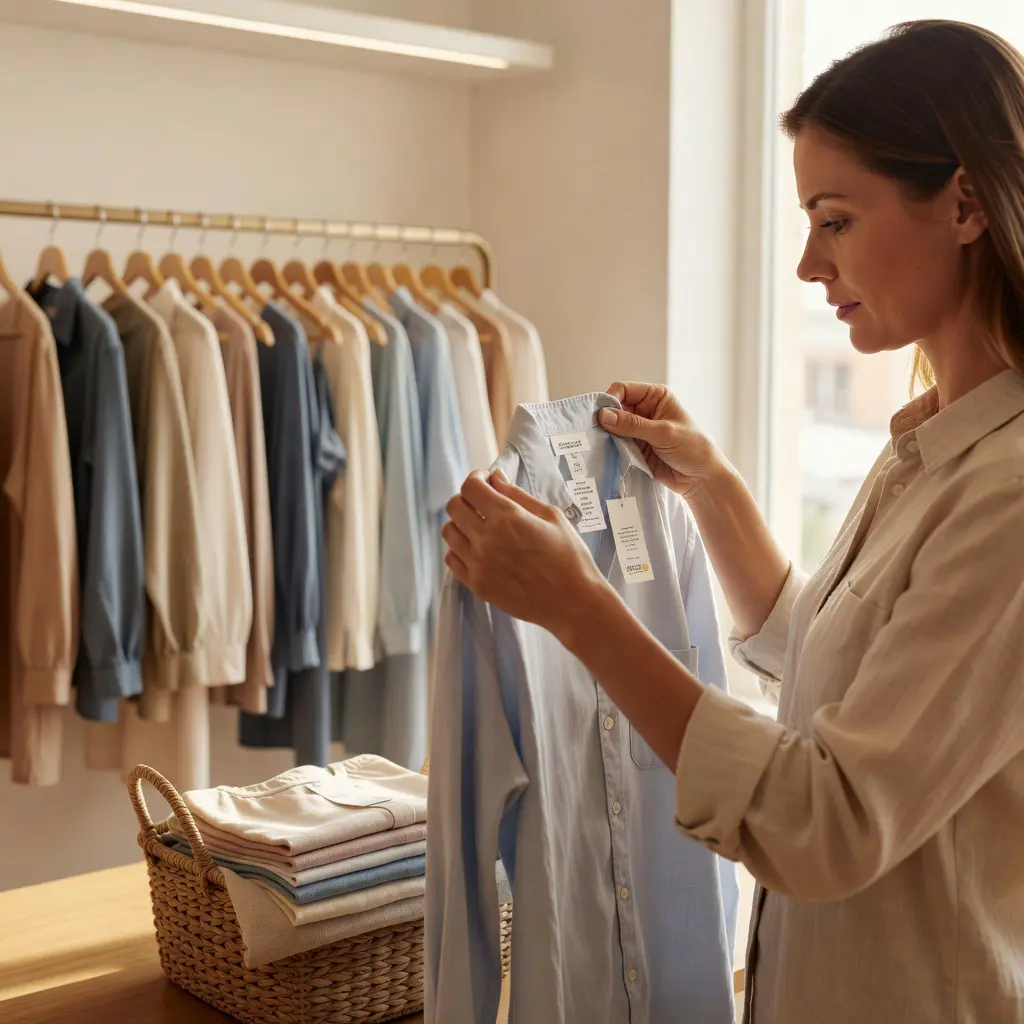
Quick checklist when reading labels:
- Material composition: Know the fiber content (cotton, polyester, nylon).
- Country of origin: Production laws vary and can affect chemical use.
- Certifications: Third-party seals are more reliable than brand claims.
- Care instructions: High-heat laundering can reduce some residues.
How to interpret independent test results
Independent lab tests often report limits in parts per million (ppm) or micrograms per gram (µg/g). Understand what those numbers mean: a detection doesn't always equal a health risk, but consistent detections across product lines signal a problem. Test reports also vary in scope—some target specific classes like PFAS, while others screen for a wide panel of chemicals.
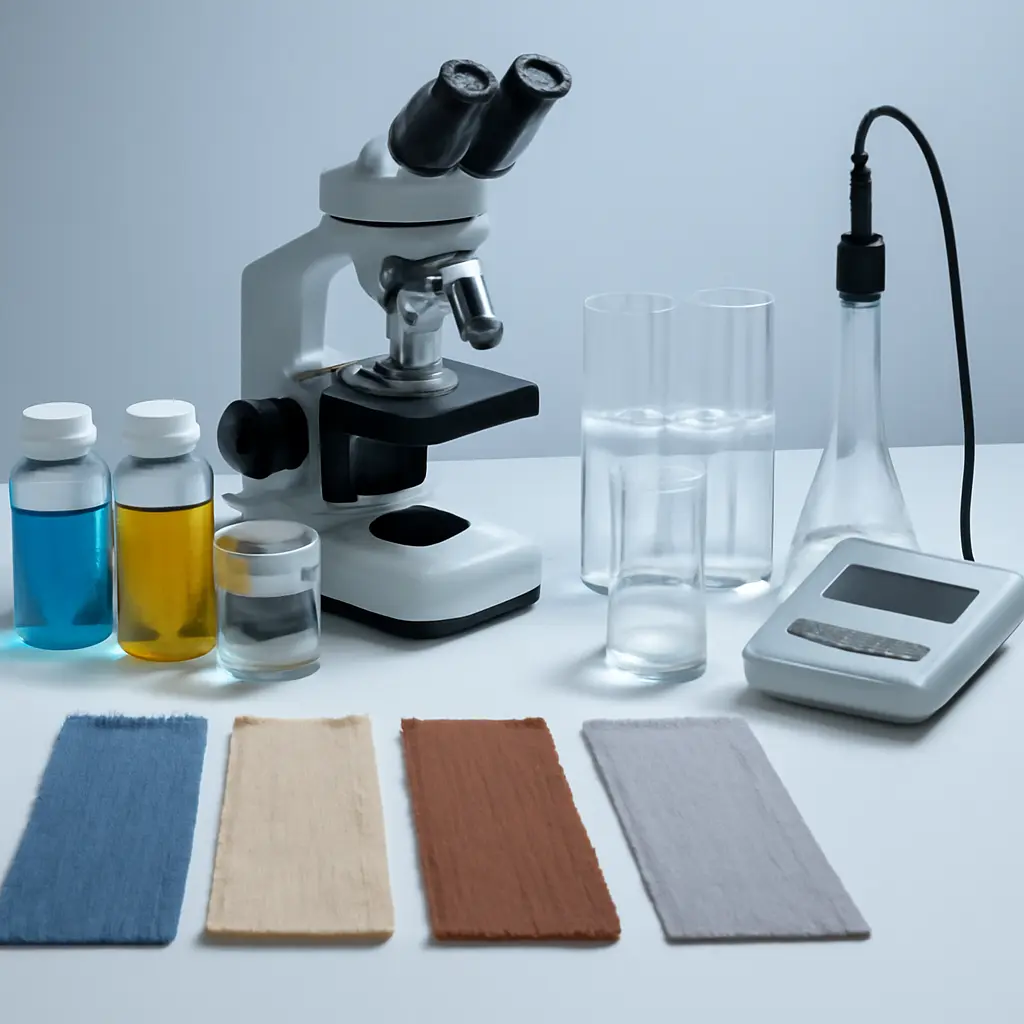
When reading results, check the methodology and the lab accreditation. Much like consulting several casino review ratings to form an overall assessment of a site, compare multiple test results and sources before drawing conclusions about a brand or product.
Simple at-home checks and quick in-store tests
- Smell test: A very strong chemical odor can indicate excessive finishing agents.
- Touch test: Stiffness after washing may mean heavy finishes stayed on the fabric.
- Water test: A few drops of water show absorption—non-absorbing fabrics often have surface treatments like PFAS.
- Wash-and-retest: Wash a small item and re-evaluate odor and feel; some residues wash out.
- Request documents: Ask sellers for lab reports or сертификаты (certificates) if available.
Comparing common fabrics and known risks
Not all fibers are equal. Natural fibers like cotton and linen often breathe better, but can still be treated with pesticides or finishing chemicals. Synthetics may off-gas or carry persistent finishes. Below is a simple table to summarize common risks and why they matter.
| Fabric | Common concerns | How to reduce risk |
|---|---|---|
| Cotton | Pesticide residues, dye chemicals | Choose organic or certified cotton; prewash |
| Polyester | Microfiber shedding, finishes like PFAS | Prefer recycled polyester, wash in filter bags |
| Nylon | Oil-based production, possible flame retardants | Limit use in infant clothing; check labels |
| Blends | Mixed properties; hard to recycle | Favor mono-materials for easier testing |
Smart shopping habits for a safer wardrobe
Adopt a strategy that treats garment purchases like researching big decisions: check credentials, read reviews, and compare independent data. Treat casino review ratings as a useful analogy—reputation matters, and multiple independent reviews reduce risk. If a brand frequently appears in tests with high chemical detections, it's a red flag.
For deeper label decoding, read our short guide on label warnings to learn what hidden care symbols and tags really mean.
Testing services, labs, and when to pay for a lab report
If you manage a boutique or make clothes, invest in third-party testing. A few key decisions:
- Targeted screening: For PFAS or azo dyes, choose labs that specialize in those assays.
- Accreditation: ISO/IEC 17025 labs are preferable for reproducible results.
- Sampling: Test representative batches, not just one lucky sample.
As with selecting a casino, don't rely on a single glowing testimonial. Compare test reports, certificates, and community feedback; many consumer forums include aggregated results similar to consolidated casino review ratings that help you spot patterns.
Another useful internal resource is our compact piece on Verify Online, which covers quick checks for online sellers and red flags before checkout.
Top 10 red flags to avoid
- No clear composition: Vague labels like "fabric blend" without percentages.
- Unverifiable certifications: Look up the certifying body directly.
- Excessive fragrance: Perfumed garments can mask chemical odors.
- Cheap finishes: Extremely low prices for treated garments can indicate corner-cutting.
- Conflicting care instructions: Multiple contradictory tags are a sign of poor quality control.
How to prioritize purchases for family health
Prioritize low-risk categories: children's sleepwear, items in direct skin contact, and frequently worn pieces like underwear. Use safer alternatives for high-exposure items and consult independent testing where possible. Remember that casino review ratings style panels—where multiple criteria are weighted—can be adapted to your shopping: weight certifications, test data, and seller reputation to form an overall safety score.
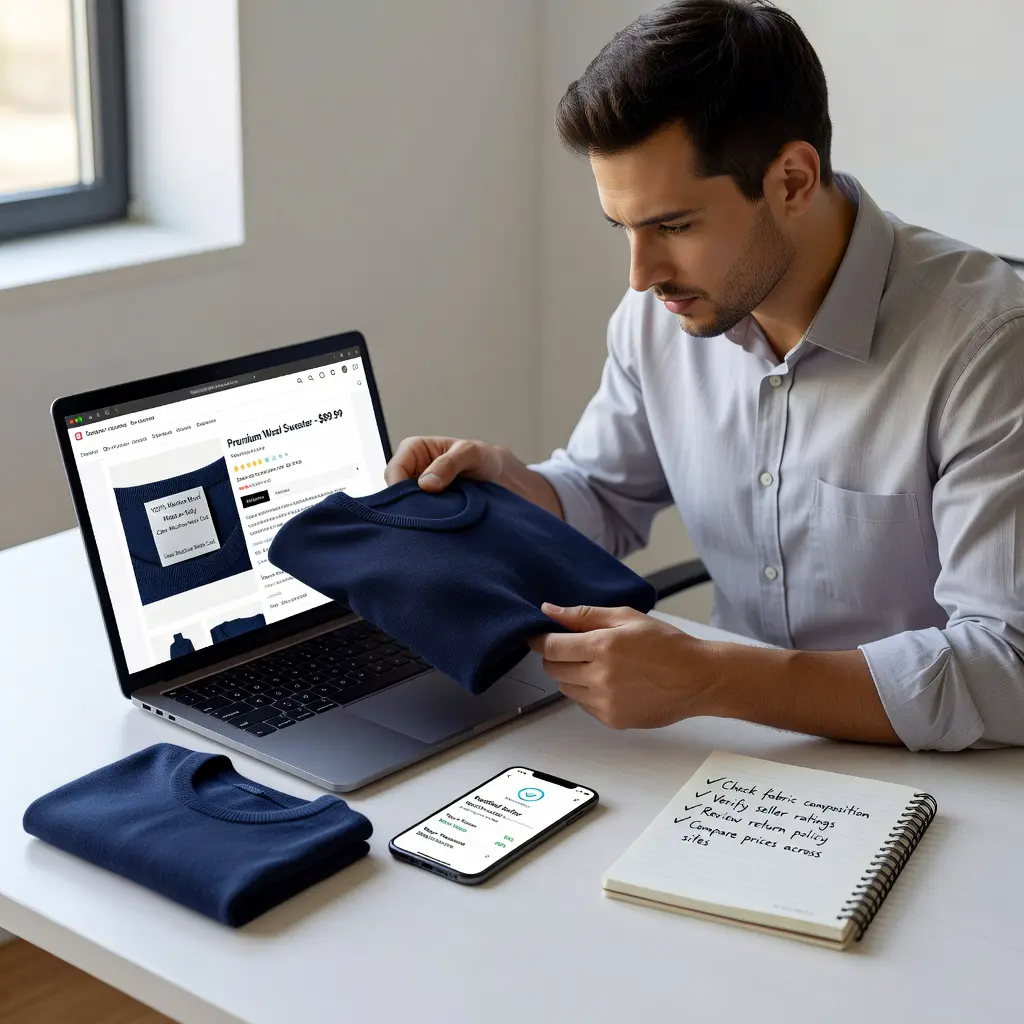
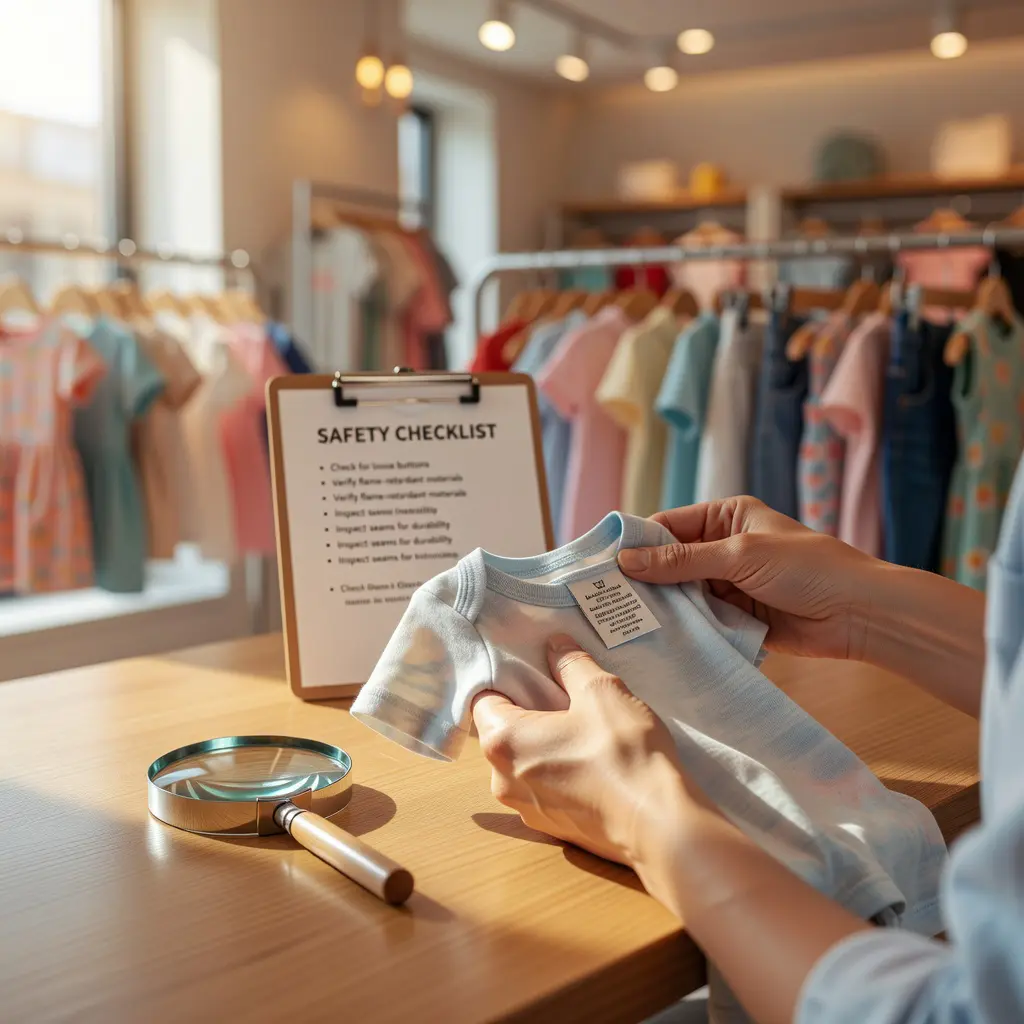
Final checklist before you buy
- Scan for certifications and verify the certifier's website.
- Read independent tests or request reports for concerning claims.
- Perform basic at-home checks (smell, water, wash).
- Compare seller reputation across reviews—think like evaluating casino review ratings.
- Keep receipts and document concerns—this helps with returns and complaints.
Conclusion: shop informed, shop safer
Creating a safer wardrobe in 2024 means combining label literacy, an understanding of test reports, and consistent shopping habits. Use third-party certifications, independent lab data, and cross-checked seller feedback—similar to aggregating casino review ratings—to reduce risk. With simple checks and a bit of skepticism, you can build a healthier closet without losing style or convenience.
Stay curious, ask sellers for documentation, and treat safety as part of quality. Small steps—like prewashing new garments and favoring certified fabrics—make a measurable difference. For ongoing updates and news on safer clothing purchases, follow consumer forums and trusted review aggregators that act like reliable casino review ratings for textiles.
Comments
I did the wash-and-retest on a bargain T‑shirt — the smell faded but the fabric stayed oddly stiff, so I avoid that brand now. The water-absorption tip would’ve saved me a headache sooner.
Tried the water test on a thrifted jacket last month and the drops just beaded up — didn’t realize that could mean PFAS treatment. Ended up returning it after checking the label and doing a quick online search.
I did the water test on a cheap rain jacket — the drops just beaded up, which I didn’t realise could mean PFAS. I’ll check for OEKO-TEX or ask for lab reports before buying outerwear now.