

Inside the Hidden Risks of Clothing: What You Really Need to Know
When you shop for clothes, the last thing on most shoppers' minds is chemical residues or invisible manufacturing shortcuts. Yet many garments leave the factory carrying hidden hazards — from toxic dyes to flammable finishes — that retailers rarely advertise. At SafeBlogShopper we treat clothing safety like consumer news: clear, practical, and actionable. If you think about how people compare leisure options by reading casino review ratings for trust signals, you can apply the same scrutiny to apparel decisions to rank safety before buying.
Why retailers don't tell you everything
Retailers prioritize style, price, and turnover. That means safety details often get buried in fine print, if mentioned at all. Retailers rely on certifications, marketing claims, and trusted brand imagery, but labels can be misleading. Some garments carry a "pre-washed" or "wrinkle-free" tag without clarifying that those finishes involve chemical treatments. Likewise, "eco" branding sometimes omits testing data.
Think of it like relying only on casino review ratings for a single metric: useful, but incomplete. A thorough buyer looks at multiple indicators — independent tests, ingredient lists, and third-party reporting — to build a true safety profile.
Common hidden hazards to watch for
Understanding the typical problems helps you spot suspicious items quickly. Here are the most frequent issues SafeBlogShopper reporters find during investigations.
- Formaldehyde finishes: Used to make garments wrinkle-resistant but can cause irritation.
- Azodyes and synthetic dyes: Potentially allergenic and sometimes contaminated with banned compounds.
- Flame retardants: Applied to children's sleepwear and some outerwear without clear consumer notices.
- Heat-bonded trims: Adhesives that release VOCs when heated during ironing.
- Microplastic fibers: Synthetic fibers shedding in the wash contribute to environmental harm.
As with any rating system, reliance on a single source — such as only checking casino review ratings for entertainment choices — is a cautionary tale: combine signals to make safer purchases.
How to spot risks in-store and online
Here are quick, practical checks you can do before adding items to your cart or basket.
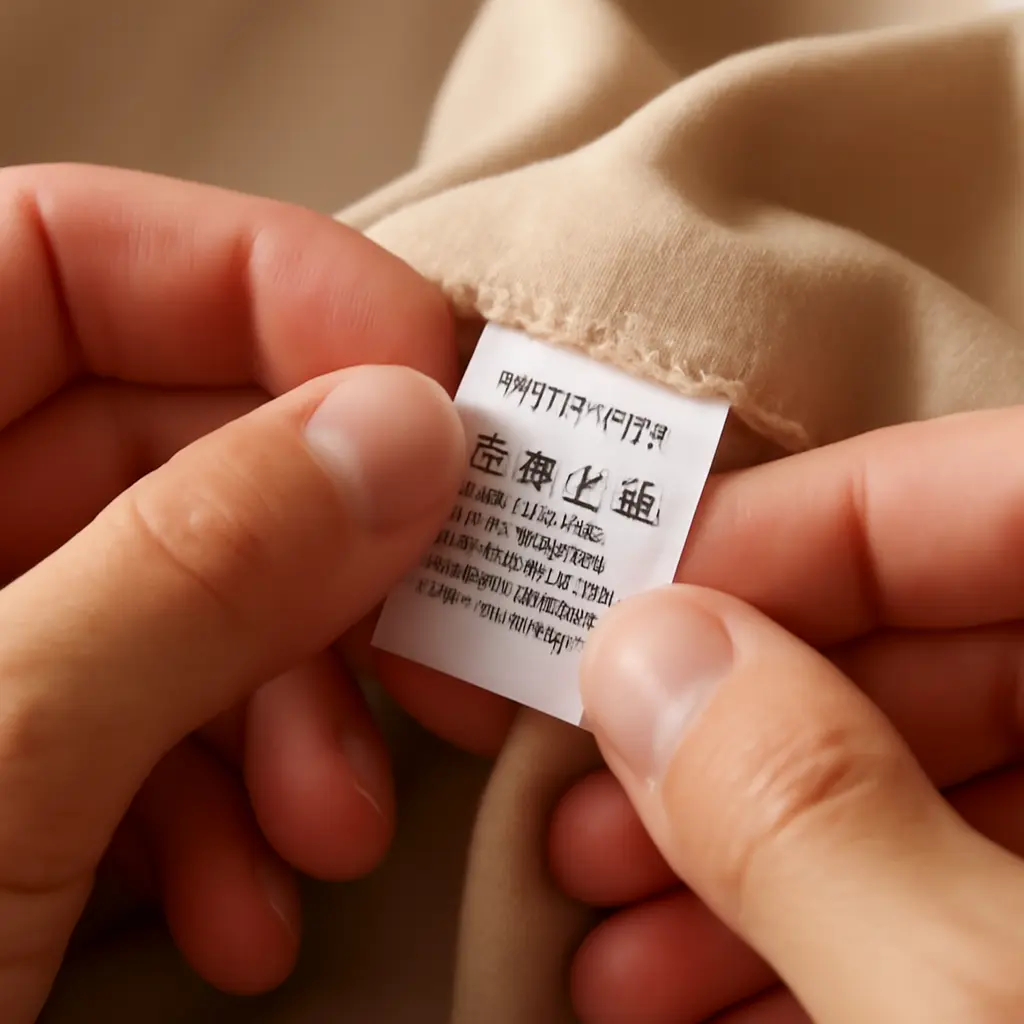
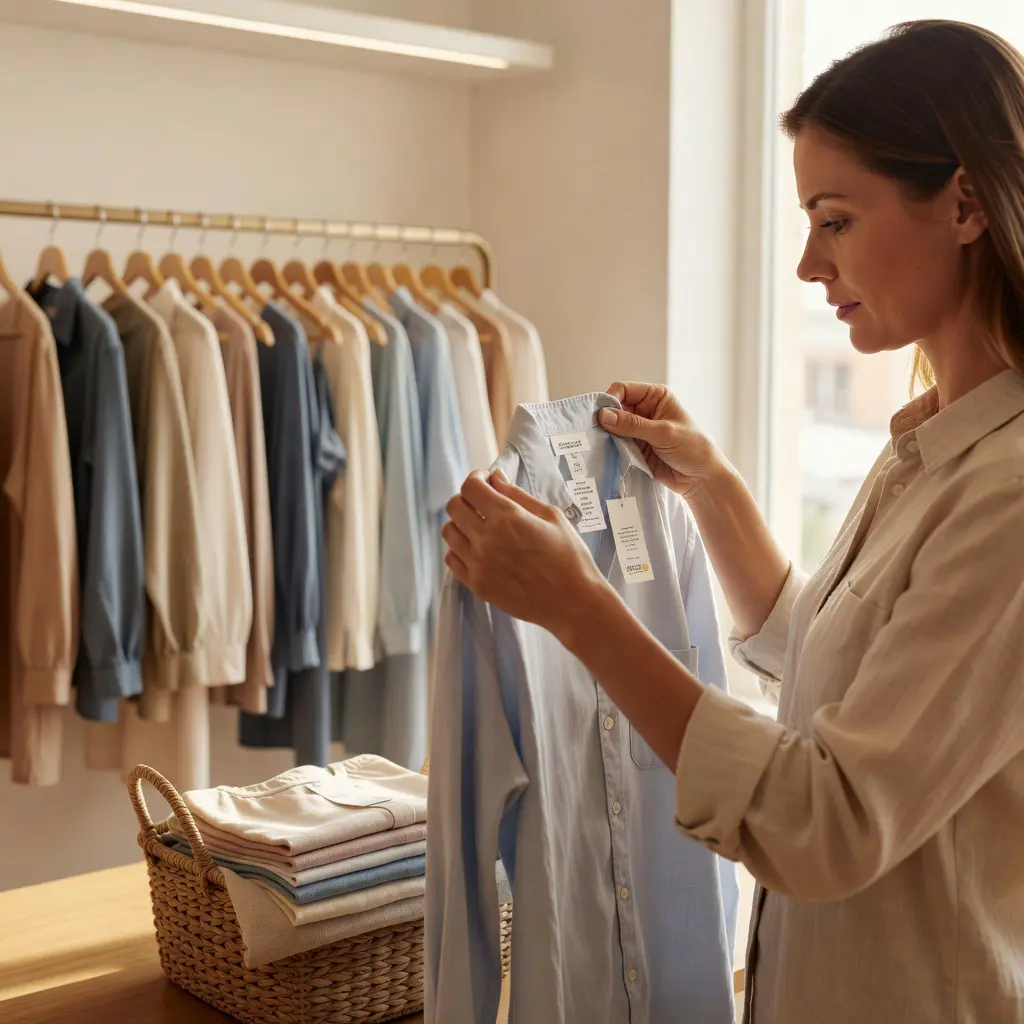
- Examine the tag: find fiber content, country of origin, and care instructions. A missing care label can be a warning sign.
- Smell test: a strong chemical odor on new clothing often means residual solvents or finishes.
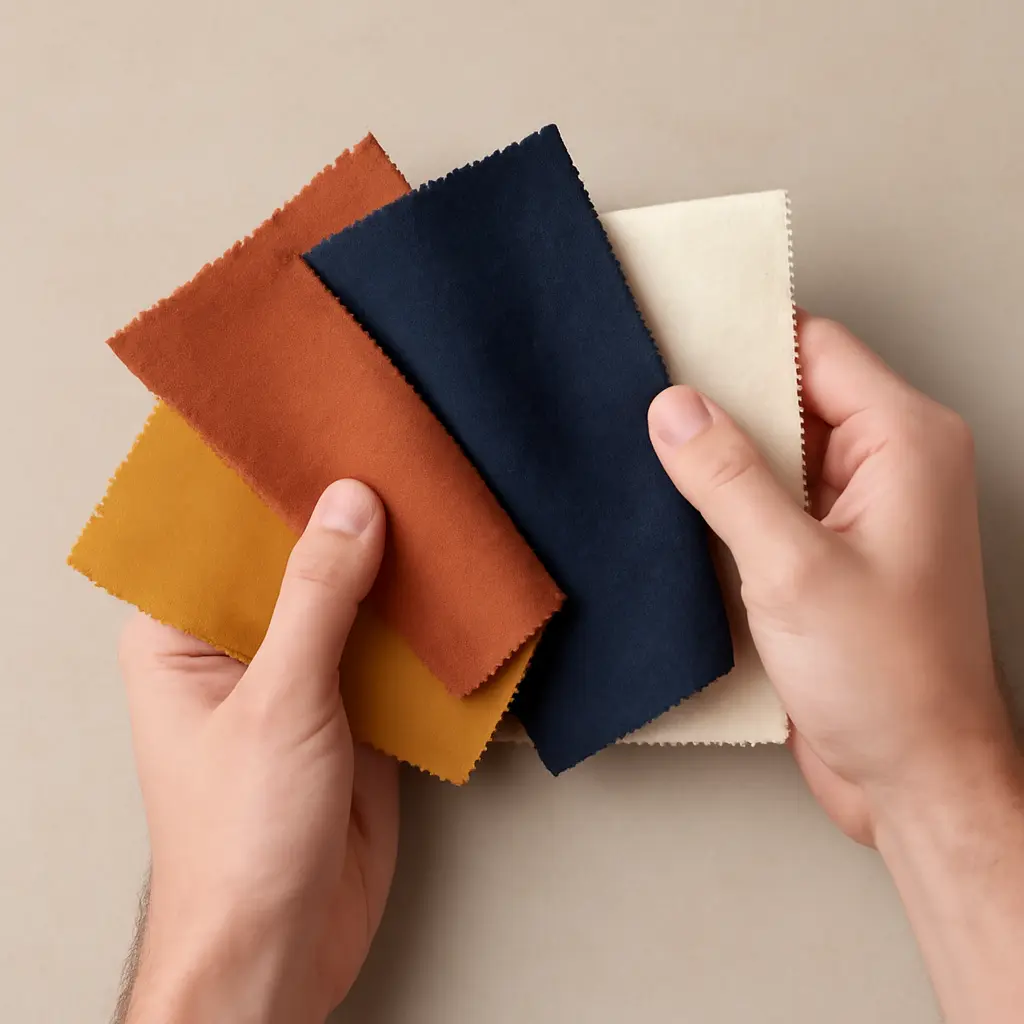
- Touch test: overly stiff or plasticky textures may indicate heavy finishing agents.
- Search for third-party tests or lab results on the brand site or independent consumer forums.
- Compare independent ratings: apply a similar mindset to casino review ratings by looking for consistent patterns across reviewers.
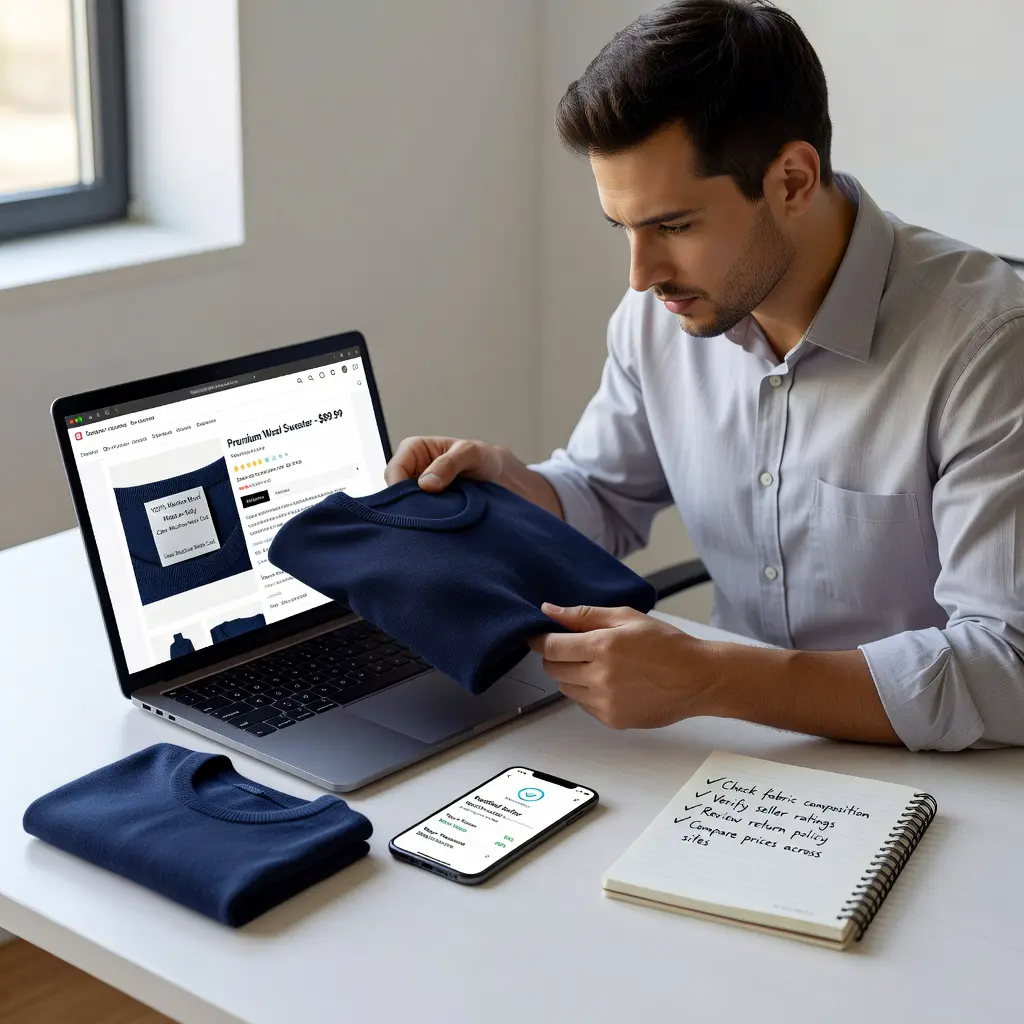
Bonus tip: Photograph labels and keep a screenshot when shopping online. That helps when you follow up with manufacturers or post in consumer forums.
Fabric safety cheat-sheet: what each fiber often hides
Some fabrics are inherently safer in certain categories, but manufacturing choices change the outcome. Below is a handy table that summarizes typical concerns so you can prioritize choices by risk.
| Fabric | Common Hidden Issue | Flammability | Environmental Concern |
|---|---|---|---|
| 100% Cotton | Finish chemicals (wrinkle-free) | Low to moderate | Biobased but pesticide use possible |
| Polyester | Microplastic shedding; solvent-based dyes | Low (melts) | High microplastic pollution |
| Rayon / Viscose | Chemical processing residues | Moderate | Deforestation / chemical waste |
| Wool | Processing chemicals; potential allergen | Low | Animal welfare concerns |
Use this table as a starting point. There are exceptions: certified organic cotton or recycled polyester may score better after independent testing, just as a trusted site with consistent positive casino review ratings might indicate reliability in a different industry.
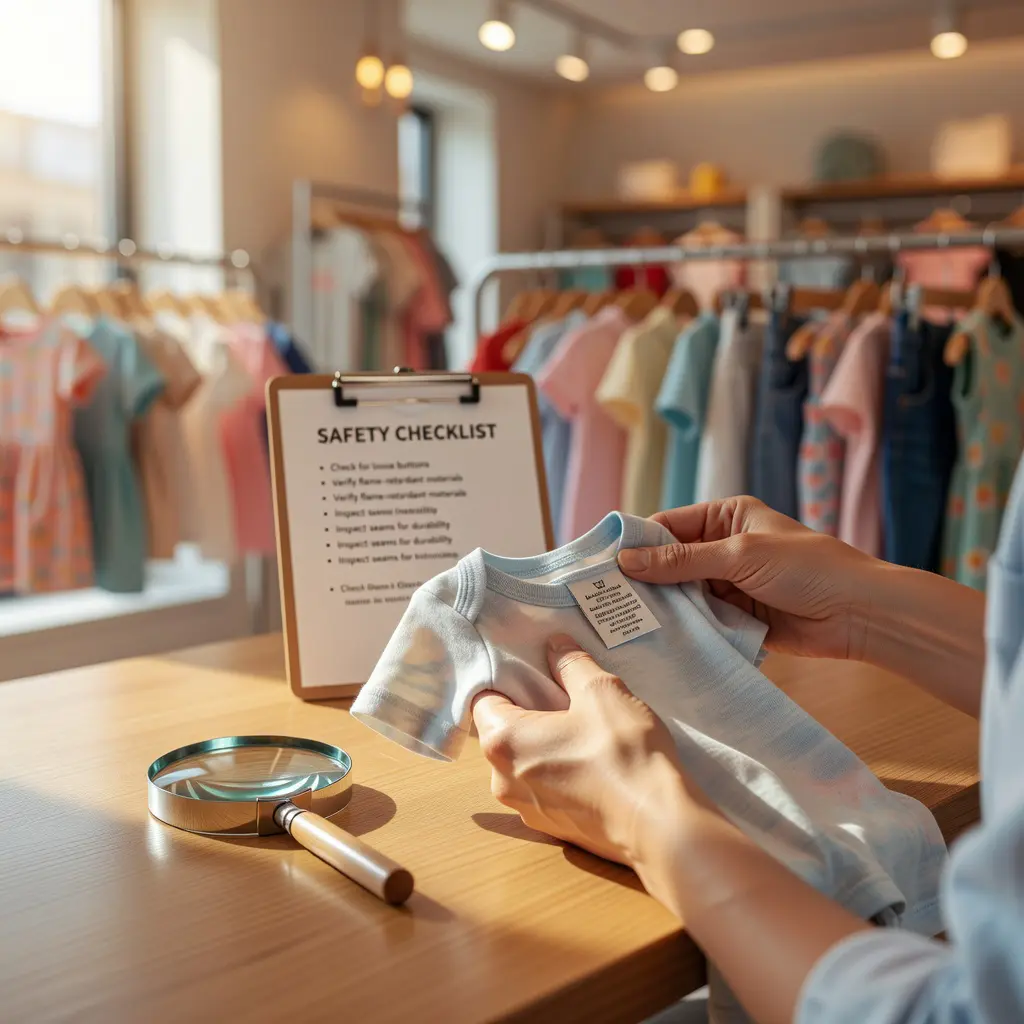
Steps to shop safer (a simple checklist)
Follow this step-by-step routine before buying new garments. It's similar to how detail-oriented consumers consult casino review ratings across several platforms before committing.
- Read the label and product page carefully for fiber content and care instructions.
- Look for independent certifications (e.g., GOTS, Oeko-Tex) and verify them on certifier sites.
- Search for lab test mentions or consumer complaints in forums and news outlets.
- Ask the retailer direct questions about finishes, flame retardants, and dye processes.
- When in doubt, choose simpler compositions (e.g., organic cotton blends) and prefer brands transparent about testing.
These steps don't guarantee perfection, but they reduce risk and help you make confident choices. Treat safety like you would due diligence for any high-stakes decision: multiple data points beat a single claim, much like combining expert sources with user-based casino review ratings to get a complete picture.
What labels really mean — and where they fail
Labels are a helpful starting point but not the final word. Certifications can vary in rigor, and some brands rely on broad terms like "natural" or "eco-friendly" without substantiation. If you want to read a focused deep dive on why labels fail and how to act, check this short guide on safety labels for practical steps and examples.
Remember: a single label is not a replacement for research. Cross-reference certifications with independent test results and consumer reporting to get the clearest picture — similar to comparing multiple casino review ratings and reading the rationale behind each reviewer’s score.
When to return or escalate a safety issue
Not all problems require dramatic action, but some do. Return or escalate if you encounter any of the following:
- Persistent chemical odor after laundering twice.
- Severe skin irritation localized to the area that contacted the fabric.
- Unlabeled flame retardants on children’s sleepwear or gear.
- Manufacturer refuses to answer simple safety questions or provide test documentation.
If you find a serious hazard, document everything: photos of the label, the purchase receipt, and any symptoms. File a complaint with consumer protection agencies and consider sharing findings on forums and review sites — much like how detailed reports influence casino review ratings by giving future consumers clearer context.
Conclusion: Shop like a safety editor
Shopping smart doesn't require technical expertise — it requires a method. Use quick checks (labels, smell, texture), consult certifications and independent tests, and treat pattern recognition as valuable information. Think of how people use casino review ratings: they gather multiple opinions, look for consistent red flags, and choose options with transparent backing. Apply the same method to clothing, and you'll avoid many hidden hazards.
At SafeBlogShopper we publish clear, evidence-based reports so you can make better choices. Start small: prioritize one or two safer fabrics, ask retailers the right questions, and keep a simple checklist in your phone for in-store inspections. Over time, those habits will protect your health, save you money, and help shift the market toward greater transparency.
To leave a comment, please sign up or log in
Log in / Sign up