
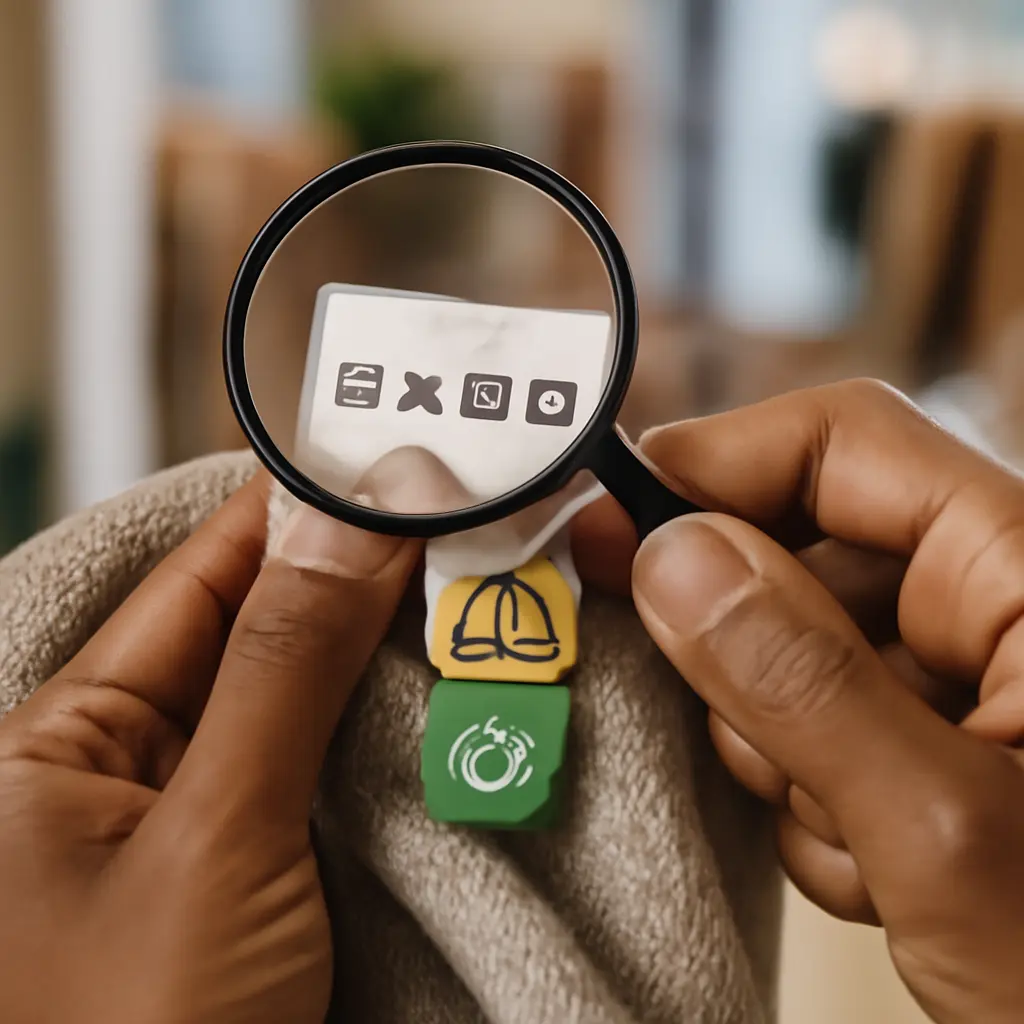
Introduction: Why labels deserve a second look
Labels are the small rectangles that claim to protect us, telling stories about materials, care, and safety. Yet labels can be misleading — and as shoppers, we need sharper tools to separate honest claims from marketing. In this article you'll learn how to read labels, spot hidden hazards, and shop with confidence. Along the way, we'll use an analogy many readers know well: just like casino review ratings can be gamed, so can clothing labels. Understanding both systems helps you make smarter choices for a healthier wardrobe.
How labeling systems work — and why they sometimes fail
Clothing labels communicate everything from fiber content to country of origin and specific safety claims like "non-toxic" or "low-flame." On first look you should know these technical markers: PFAS (per- and polyfluoroalkyl substances), OEKO-TEX, and GOTS (Global Organic Textile Standard). Each term carries a different level of proof behind it. However, claims without third-party verification are common — similar to how unchecked websites can inflate casino review ratings to attract clicks. The lesson: trust labels that reference verifiable standards and testing data.
- PFAS risks: water- and stain-resistant coatings may contain persistent chemicals.
- OEKO-TEX: typically indicates testing for harmful substances, but check the certificate number.
- GOTS: focuses on organic fibers plus social criteria, a stronger promise when present.
Spotting hidden hazards on everyday garments
Beyond fiber lists, pay attention to components: elastic bands, zippers, dyes, and decorative finishes often harbor chemicals. A good rule of thumb: if a brand uses broad buzzwords like "eco" or "natural" without a certification, ask for details. In many online communities that track product safety, members treat unverified claims like suspicious casino review ratings — a red flag that deserves deeper digging rather than blind trust.
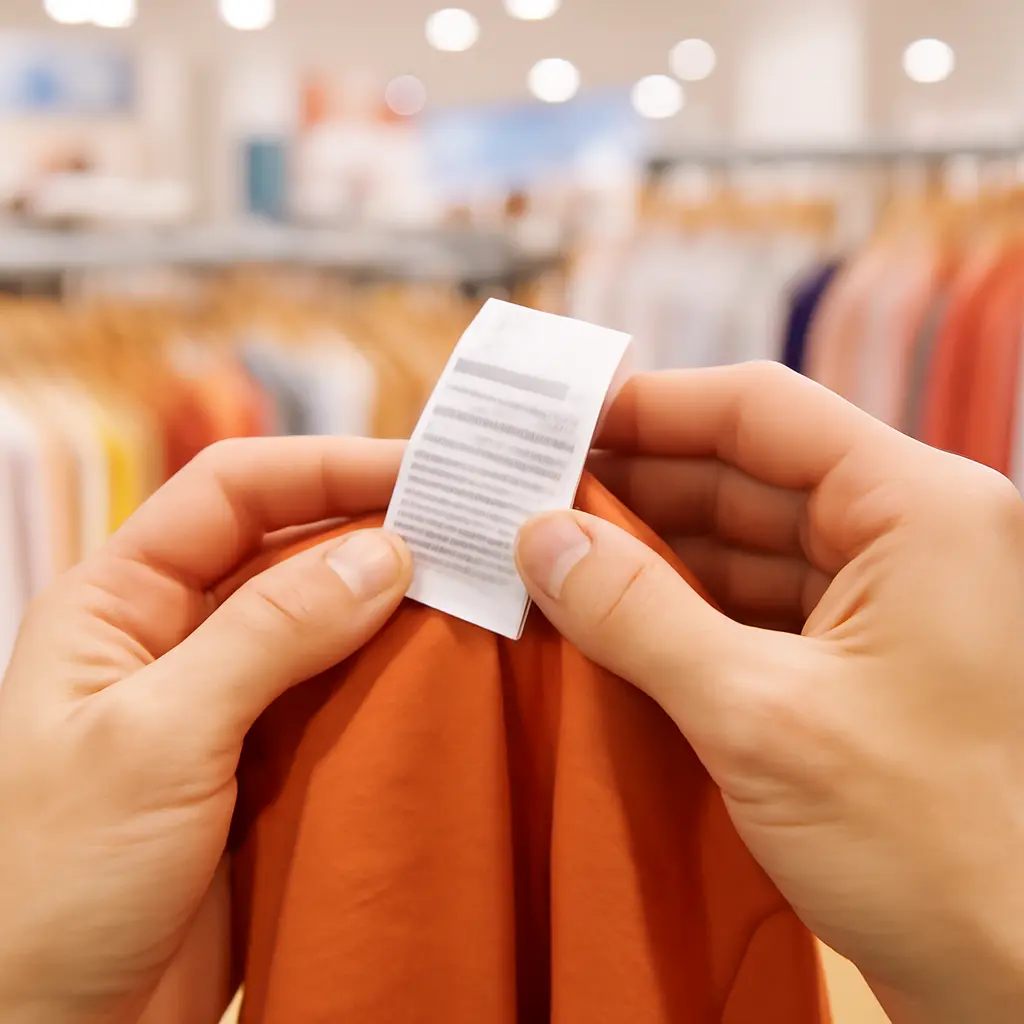
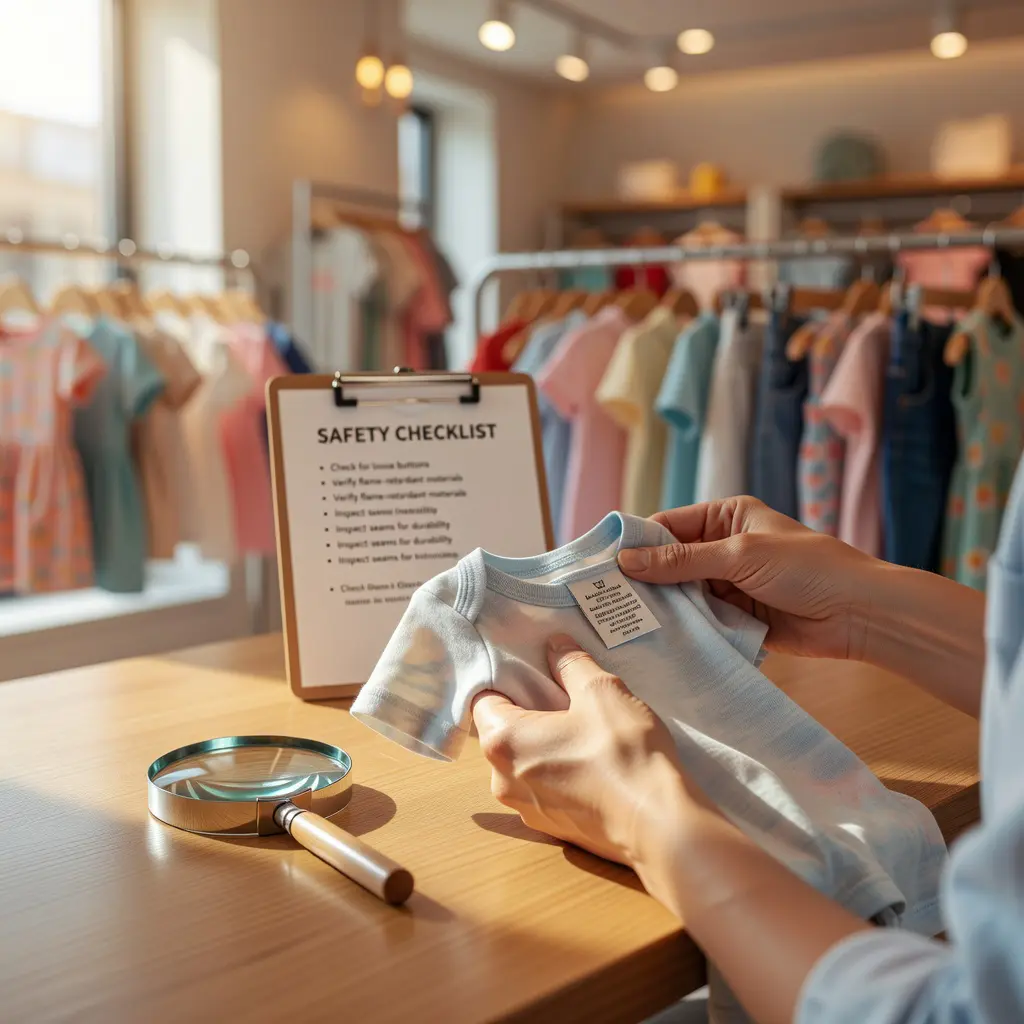
Simple physical checks work too: tug seams, sniff fabric for chemical smells, and examine finishes under good light. If anything feels or smells off, that piece may require further scrutiny.
Quick reference table: common label terms and what they mean
Use this table as a shorthand when scanning tags in-store or online. It mirrors how you might weigh a review score: context matters more than a single number.
| Label Term | Short Meaning | Concern Level |
|---|---|---|
| 100% Cotton | Natural fiber, breathable | Low |
| Water-resistant | May use coatings (possible PFAS) | Medium |
| OEKO-TEX Certified | Tested for certain harmful substances | Low |
| GOTS | Organic fibers + processing standards | Low |
| Flame retardant | Chemicals applied to resist ignition | High |
Step-by-step: How to shop safer (online and in-store)
Buying safe clothing is a process. Follow these ordered steps to reduce risk and avoid marketing traps that look like inflated casino review ratings.
- Inspect certification numbers on tags and verify them on the certifier's site.
- Compare composition across similar products; favor natural fibers when possible.
- Check product Q&A and seller-provided testing details before purchase.
- Avoid scented finishes and excessive chemical finishes for baby and sleepwear.
- Keep receipts and test small areas at home before frequent wear.
One practical resource for understanding why labels sometimes fail is the internal guide we maintain on label failures. It outlines common manufacturer shortcuts and provides smart shopping moves you can use immediately.
Practical shopping tips and red flags
When you’re comparing brands, treat label claims like review scores. Ask yourself: is the claim supported by evidence? If a brand touts "safer" fabrics, look for certificate IDs, lab reports, or links to third-party testing. Beware of too-good-to-be-true promises; just as some platforms manipulate casino review ratings to lure players, marketing teams can cherry-pick tests or use selective language to imply safety.
- Red flag: Vague phrases such as "eco-friendly" with no certifier named.
- Red flag: Excessive flame retardant claims without safety data (especially for children's wear).
- Good sign: Traceable certificate numbers and transparent disclosure of lab tests.
Another tactic: reach out to brands directly. Brands that respond with lab details or can name their testing partner demonstrate better accountability than those who avoid specifics.
When certifications matter most
Certifications are strongest when they include third-party testing and visible audit trails. For sensitive groups — infants, people with chemical sensitivities, or those purchasing sleepwear — prioritize garments with GOTS or recognized OEKO-TEX standards. Think of it like betting with verified odds: you want independent data, not just a polished summary or a catchy score. Many shoppers now compare such documentation the same way they consult casino review ratings — to verify trustworthiness before committing.
Conclusion: Build a safer wardrobe one tag at a time
Safe clothing choices require a mix of skepticism and practical checks. Emphasize verifiable certifications, watch for chemical finishes like PFAS and flame retardants, and treat marketing claims the way you treat polished review scores: with healthy skepticism. Use the table and step list above when you shop, and remember that a little extra verification can prevent long-term exposure to harmful substances. Finally, keep an eye on community forums and expert write-ups; they often call out questionable practices the way attentive reviewers flag problematic casino review ratings, helping you make better, safer purchases.
Key takeaway: Read labels actively, verify claims, and prefer transparent brands. That approach will help you build a wardrobe that looks good and supports long-term health.

To leave a comment, please sign up or log in
Log in / Sign up