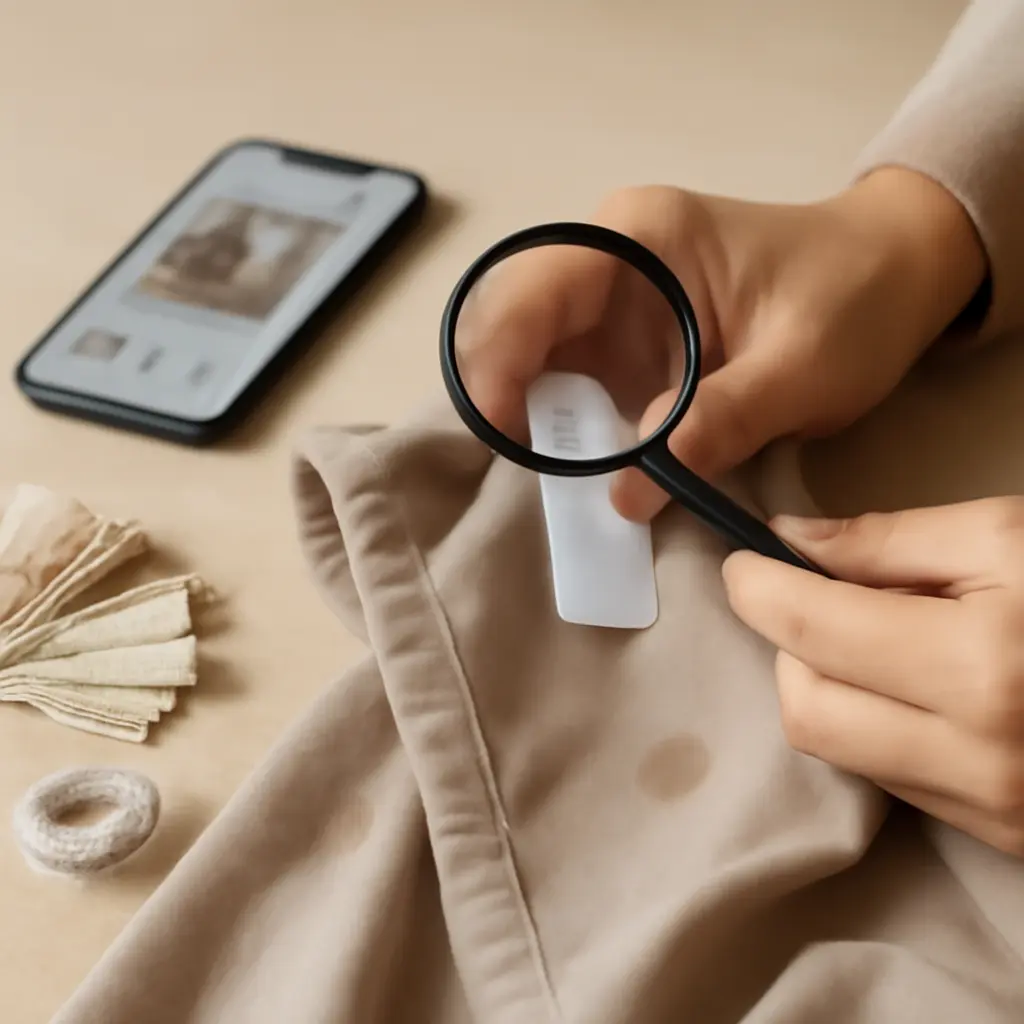
Why verifying safe clothing matters before you click Buy
Buying clothes online is convenient, but it also carries hidden risks: chemical residues, misleading labels, and poor manufacturing that can affect skin health and safety. In a crowded market, learning quick checks that take seconds can protect you and your family. Much like assessing a gaming site with casino review ratings, vetting a clothing seller requires looking at trustworthy signals, third-party validation, and documented evidence.
In this article you'll get 8 proven ways to verify safe clothing before you buy online, practical tests you can do at home, and the red flags that mimic unsafe sellers — think of them as the equivalent of poor casino review ratings for apparel providers. Use these steps as a quick checklist to avoid hazards and make confident purchases.
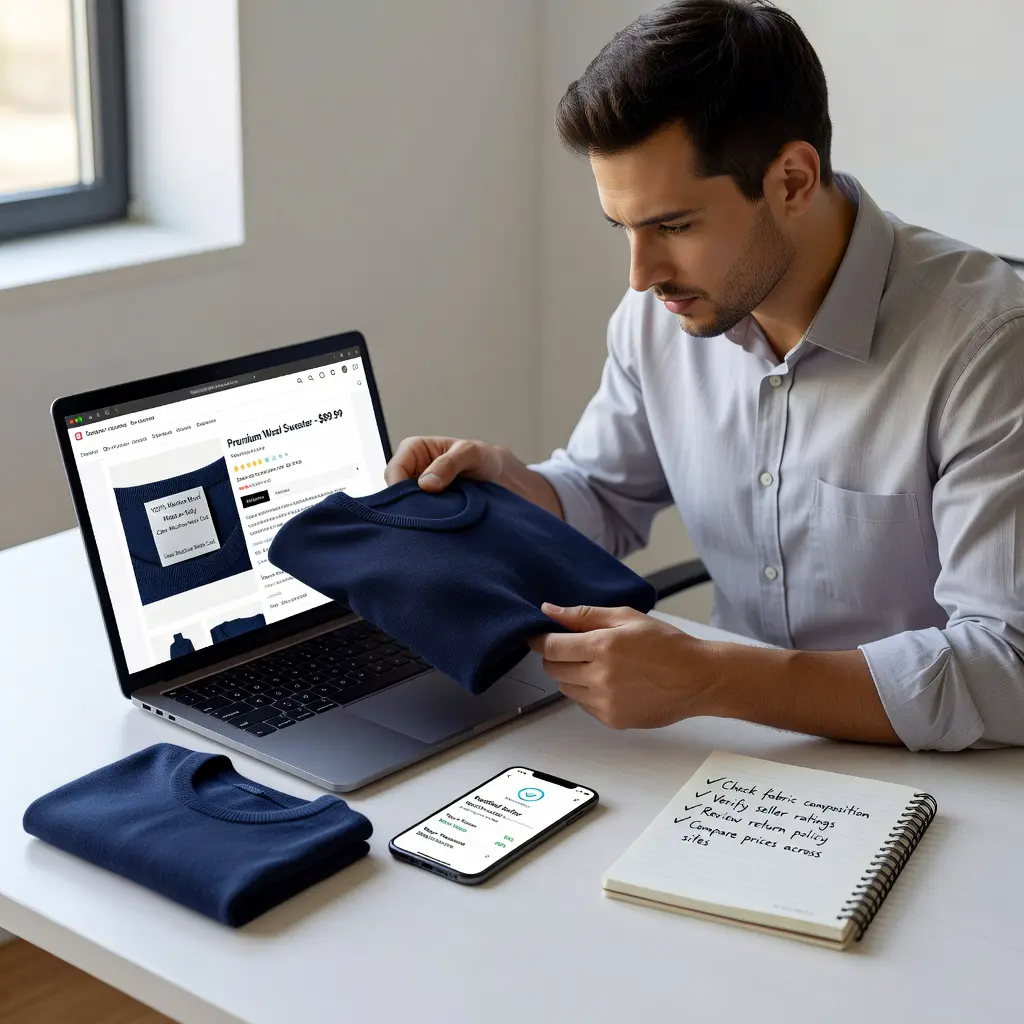
Quick summary: the 8 checks at a glance
- Inspect labels and certifications
- Confirm fabric composition
- Assess seller reputation and reviews
- Scout for chemical and flame-retardant claims
- Request or view independent lab tests
- Try simple at-home fabric tests
- Watch shipping and return policies
- Spot red flags and trust your instincts
1. Read labels and call out fake claims
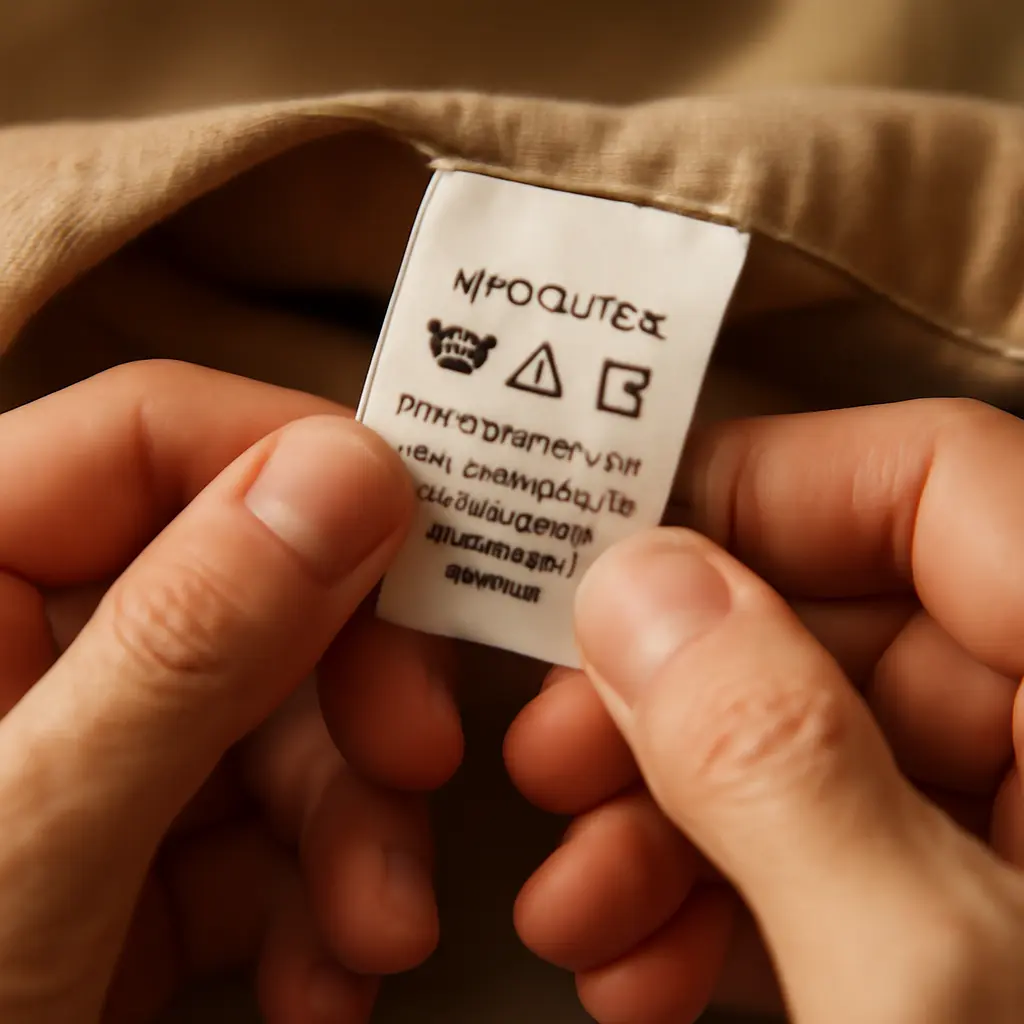
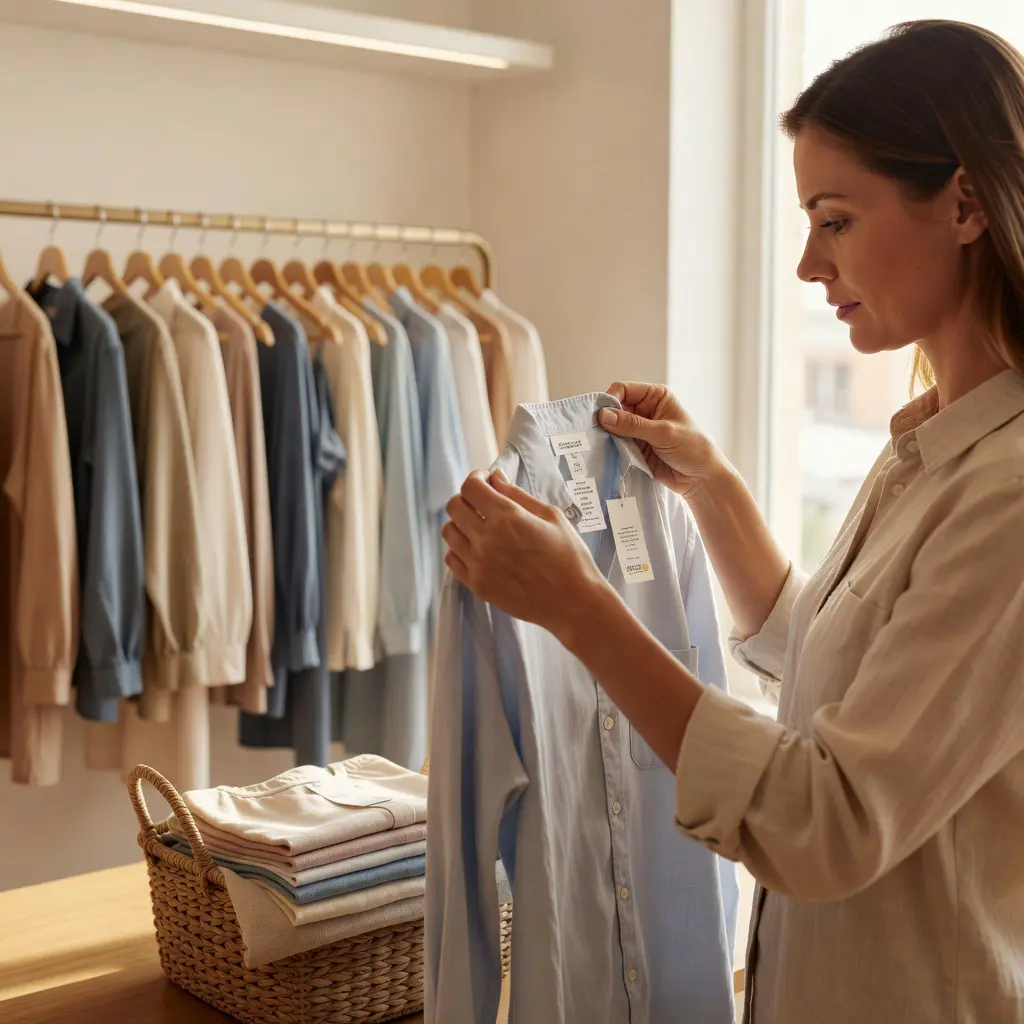
The first line of defense is the label. Look for material composition, country of origin, and care symbols. Beware of vague terms like “natural finish” or “non-toxic” without a certifying body listed. A trustworthy seller will include clear certification logos (e.g., Oeko-Tex, GOTS) and references to test reports. When in doubt, compare the seller’s information to third-party resources; just as you would cross-check casino review ratings against multiple sites, cross-verify label claims across independent sources.
2. Confirm fabric composition beyond buzzwords
Fabric names can be misleading: blends like “poly-cotton” or proprietary trade names require extra scrutiny. Ask for a detailed fiber breakdown and, when possible, a fabric swatch. A reliable online seller often provides high-resolution photos and microscopic images of weave patterns. If a listing uses only promotional adjectives without specifics, consider that a red flag — similar to a casino with flashy design but poor casino review ratings.
3. Verify seller reputation like reading review ratings
Seller reputation matters. Check multiple review sources and pay attention to verified purchases and date-stamped feedback. Many shoppers treat star systems as shorthand; instead, scan comments for mentions of lingering smells, skin reactions, or missing safety tags. Think of the process like reading casino review ratings: focus on detailed reviews and patterns rather than a single glowing or negative score.
4. Look for chemical and flame-retardant disclosures
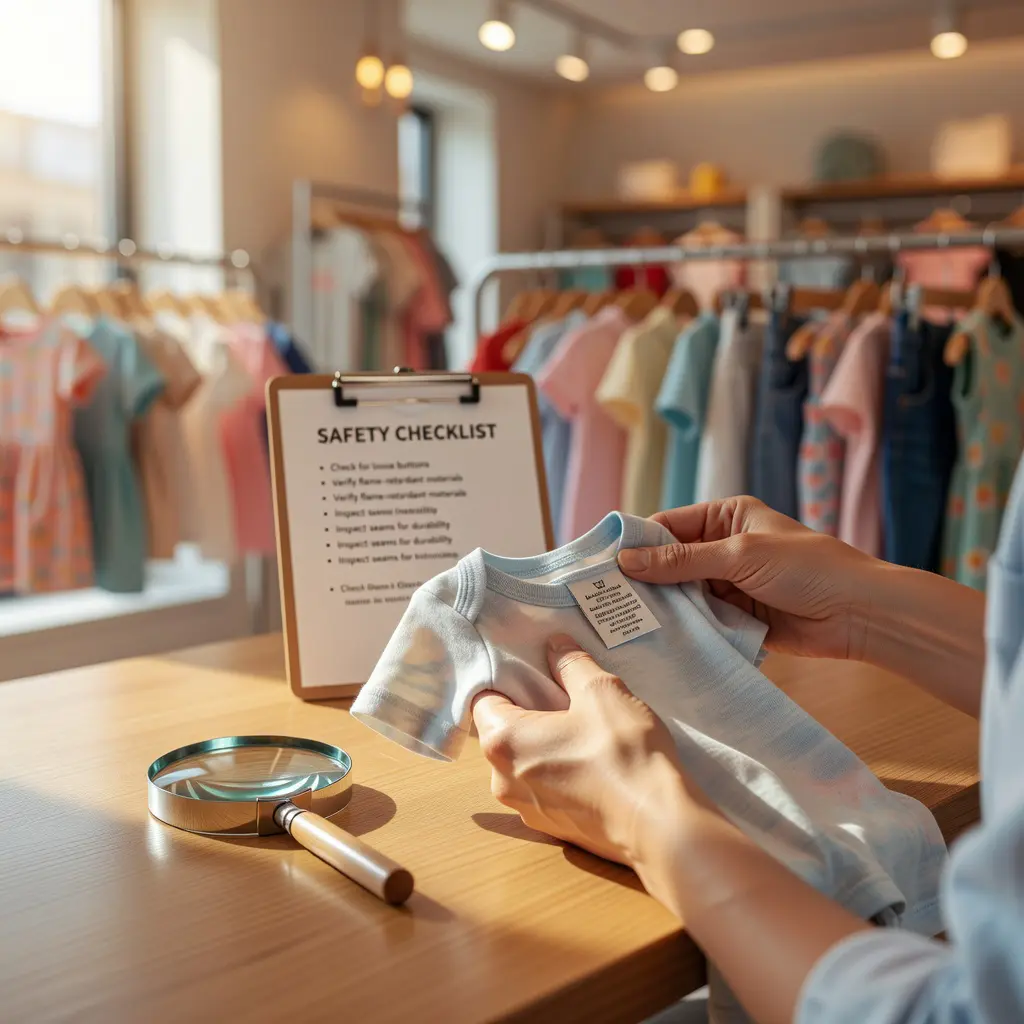
Some clothing, especially children’s sleepwear and outerwear, may be treated with flame retardants or water repellents. These treatments should be disclosed. If the seller doesn’t list treatment information, ask directly. Manufacturers that comply with safety standards will provide data sheets or safety disclosures. Treat undisclosed chemical treatments as a serious warning—similar to a casino leaving out payout or licensing information in their reviews.
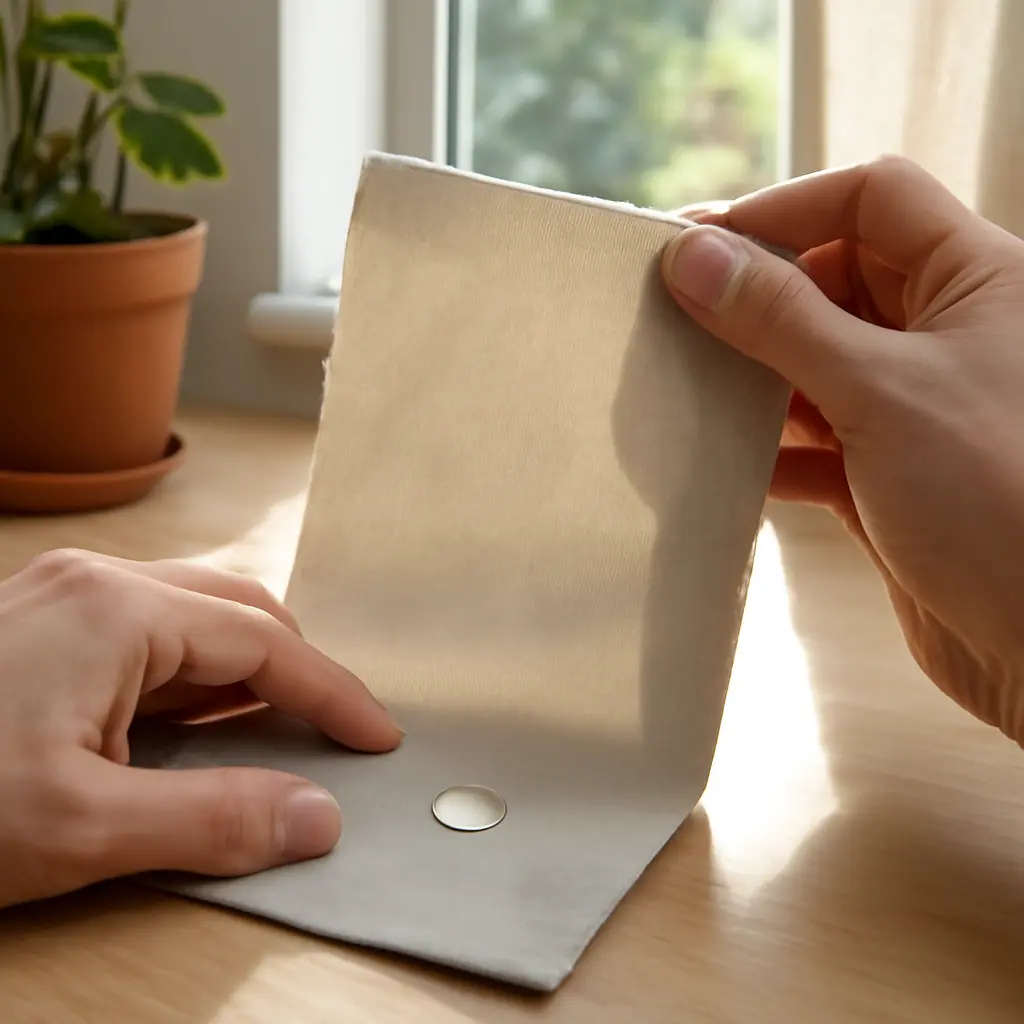
Want a fast at-home verification? Try a small water test (droplet absorption), a stretch test (for integrity), and a scent check. These simple checks won't replace lab reports but will flag many problems before you commit.
5. Ask for independent lab tests and certificates
When shopping higher-risk items (children’s wear, sleepwear, intimates), request lab results or a Certificate of Analysis (CoA). Sellers that post CoAs or testing summaries demonstrate transparency. Note: fake certificates exist, so validate the issuing lab when possible. This mirrors how serious shoppers treat casino review ratings—they prefer casinos that show audited fairness reports.
6. Simple at-home fabric tests explained
There are quick tests you can run at home to confirm some fabric properties:
- Burn test (tiny sample): natural fibers smell like burning paper; synthetics melt and can drip—do this very carefully and safely.
- Water absorption: cotton absorbs quickly; synthetics bead up.
- Stretch & recovery: pull and release; poor quality fibers may not recover.
Always test on a hidden seam or a loose thread. These checks are similar to reading a few gameplay rounds in casinos before betting—small tests can reveal larger issues that aren't obvious from photos or listings.
7. Shipping, returns, and customer service are safety signals
Return policies and responsive customer support are key safety indicators. Sellers who accept returns for safety-related complaints (skincare reactions, undisclosed treatments) are more trustworthy. If a merchant’s policy is unclear or claims “no returns,” treat that like a site with suspicious or missing casino review ratings—it’s a red flag. Keep records of all communications and order details in case you need to escalate.
8. Red flags: when to walk away
Common red flags include inconsistent sizing charts, missing care labels, pressure to buy immediately, and refusal to provide certificates or swatches. Also watch for inflated or fake reviews; a sudden spike of five-star reviews with generic text is suspicious. When you see multiple red flags, it’s safer to shop elsewhere — the same caution applied to low-trust casinos flagged by poor casino review ratings.
Practical checklist table
Use this quick reference to score a listing before purchase.
| Check | What to look for | Quick pass/fail |
|---|---|---|
| Labels & certifications | Clear fiber breakdown, cert logos, CoA | Pass if present |
| Seller reviews | Verified purchases, detailed complaints about safety | Pass if consistent |
| Chemical treatments | Disclosed treatments and safety sheets | Fail if undisclosed |
| Return policy | Easy returns for safety issues | Pass if clear |
If you want deeper context on why labels can be unreliable and how to shop smarter, read our short primer on Label failures. That piece digs into common label problems and gives step-by-step actions to avoid hazards.
Putting it all together: a buyer’s routine
Adopt a simple routine before checkout: inspect labels, scan reviews across platforms, request test data if needed, and run quick at-home tests on arrival. For higher-value or high-risk items, demand third-party testing. Applying the same scrutiny you use when reading reputable casino review ratings—looking beyond surface metrics—will keep your wardrobe safer and reduce the chance of harmful exposures.
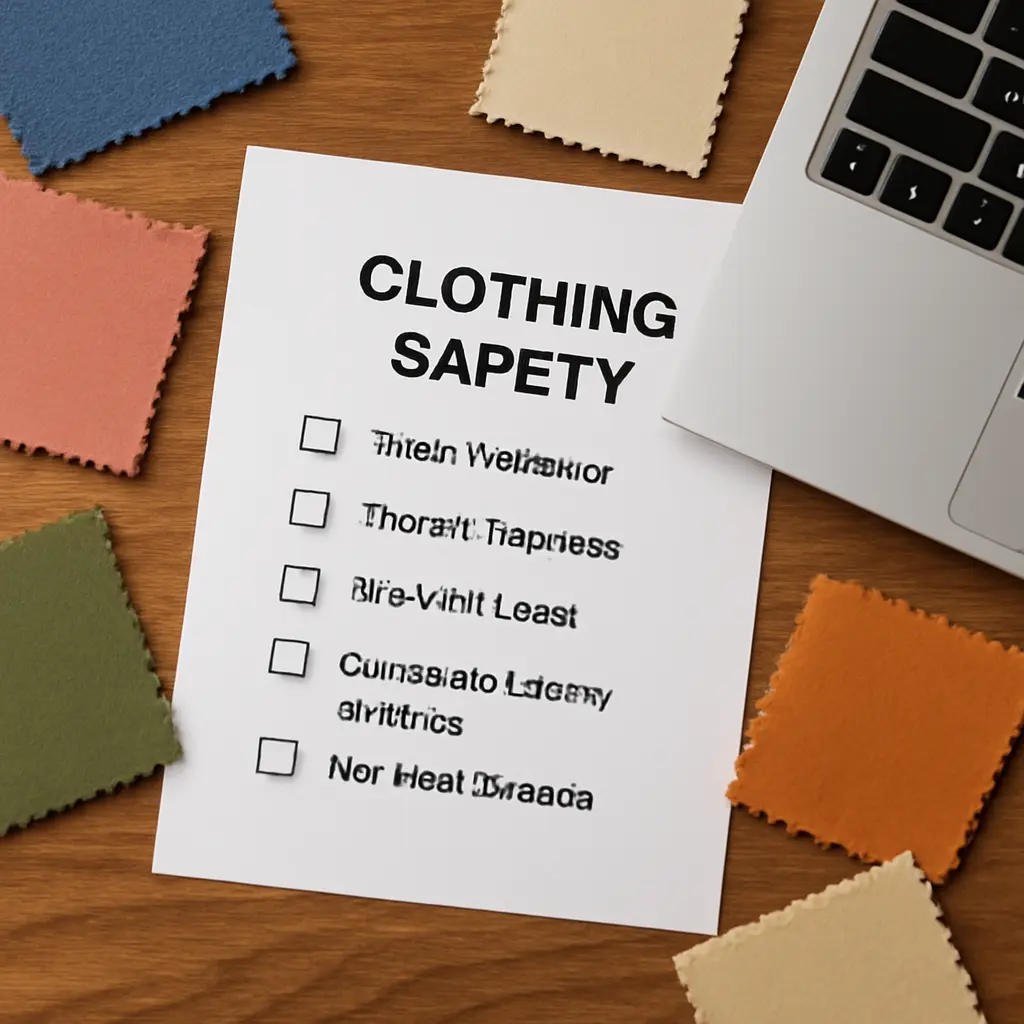
Remember: no single check is foolproof, but using multiple methods together dramatically reduces risk. Transparent sellers welcome questions and provide documentation; those who dodge specifics are likely hiding something. Treat your online clothing purchases the way cautious consumers treat digital gaming choices—prioritize clear evidence and consistent third-party validation, as seen in trusted casino review ratings.
Conclusion: Shop confidently with a safety-first mindset
Verifying safe clothing before you buy online is mostly about applying consistent, simple checks: read labels, confirm composition, validate seller credibility, request lab results when necessary, and run lightweight at-home tests. Use the checklist and table above as a routine. When in doubt, walk away — and if a seller resists transparency, consider it the same kind of alarm bell that poor casino review ratings would ring for online gaming.
Safe shopping is achievable with a few extra minutes of verification. Keep these 8 proven ways in your toolkit and you’ll reduce risk, protect health, and still enjoy the convenience of online apparel shopping.
To leave a comment, please sign up or log in
Log in / Sign up