
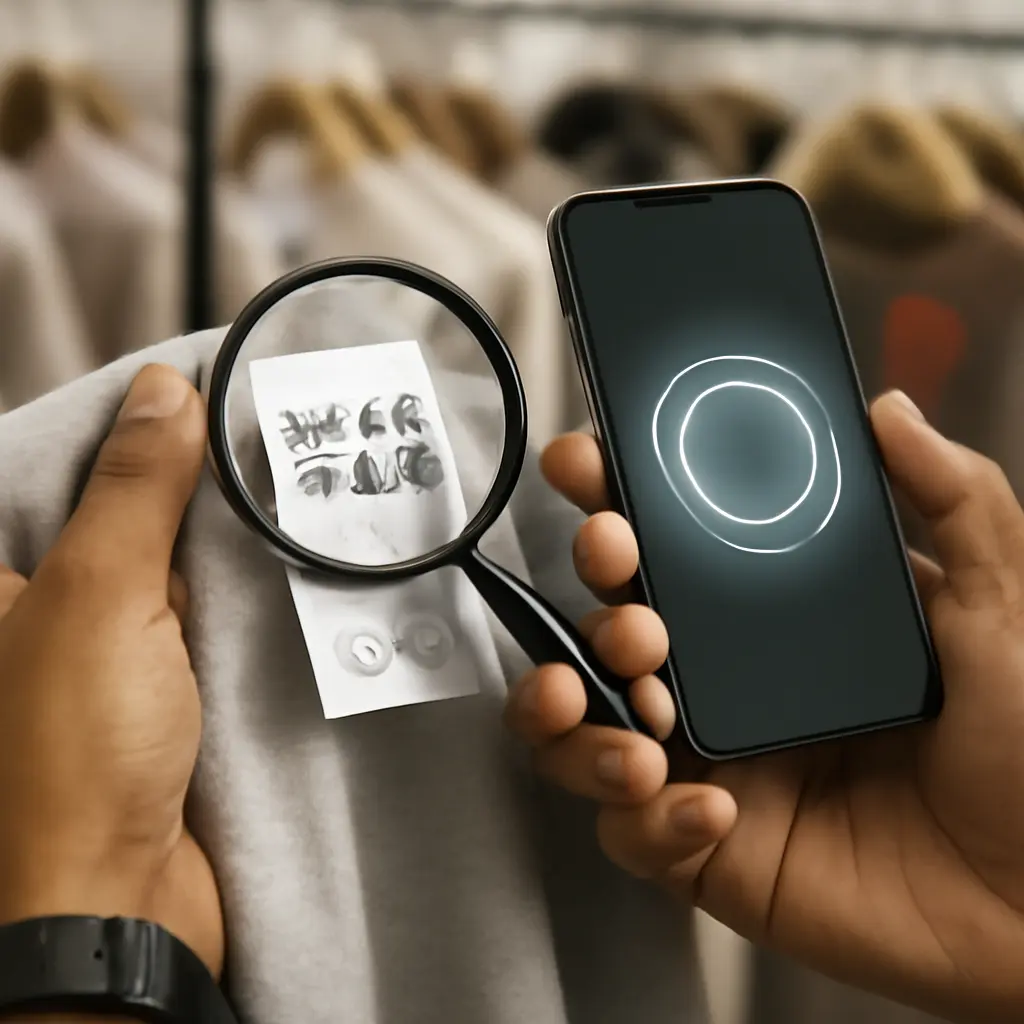
Why verifying clothing labels matters more than you think
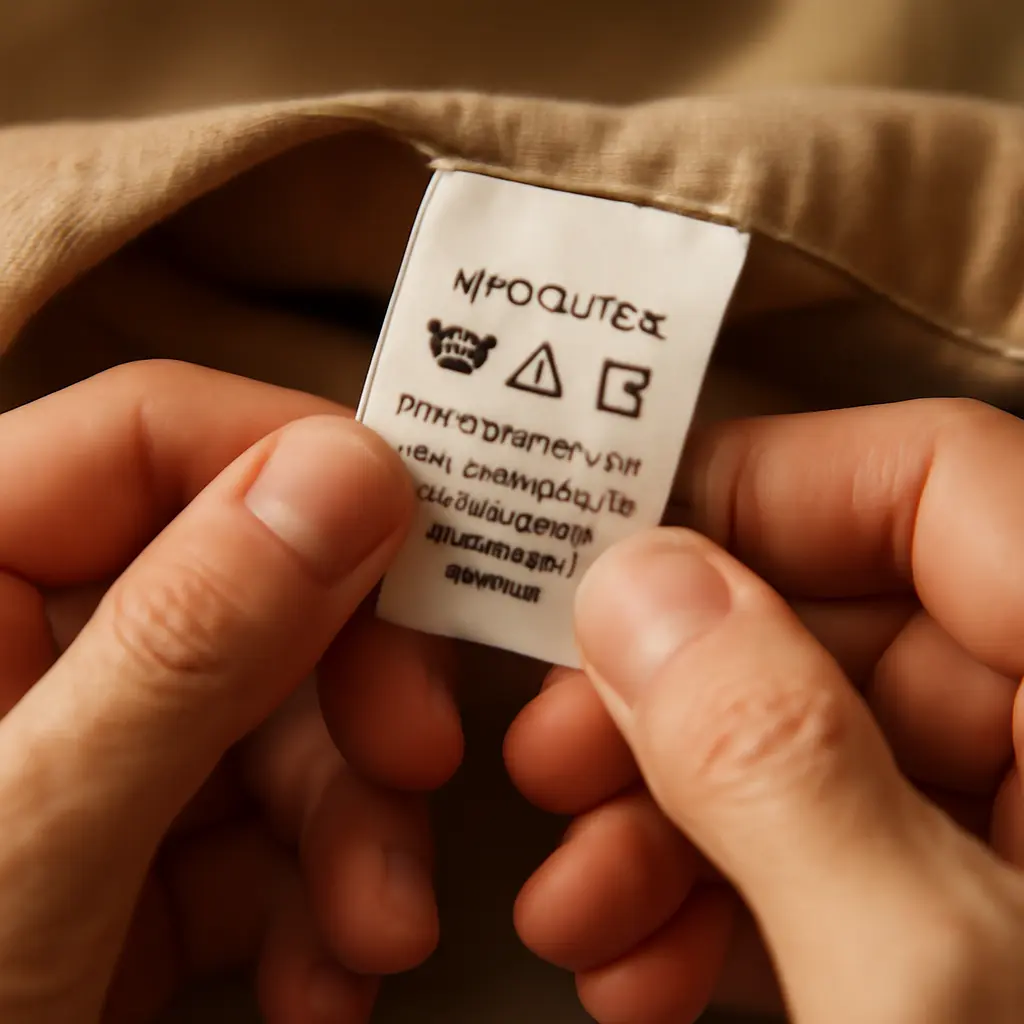
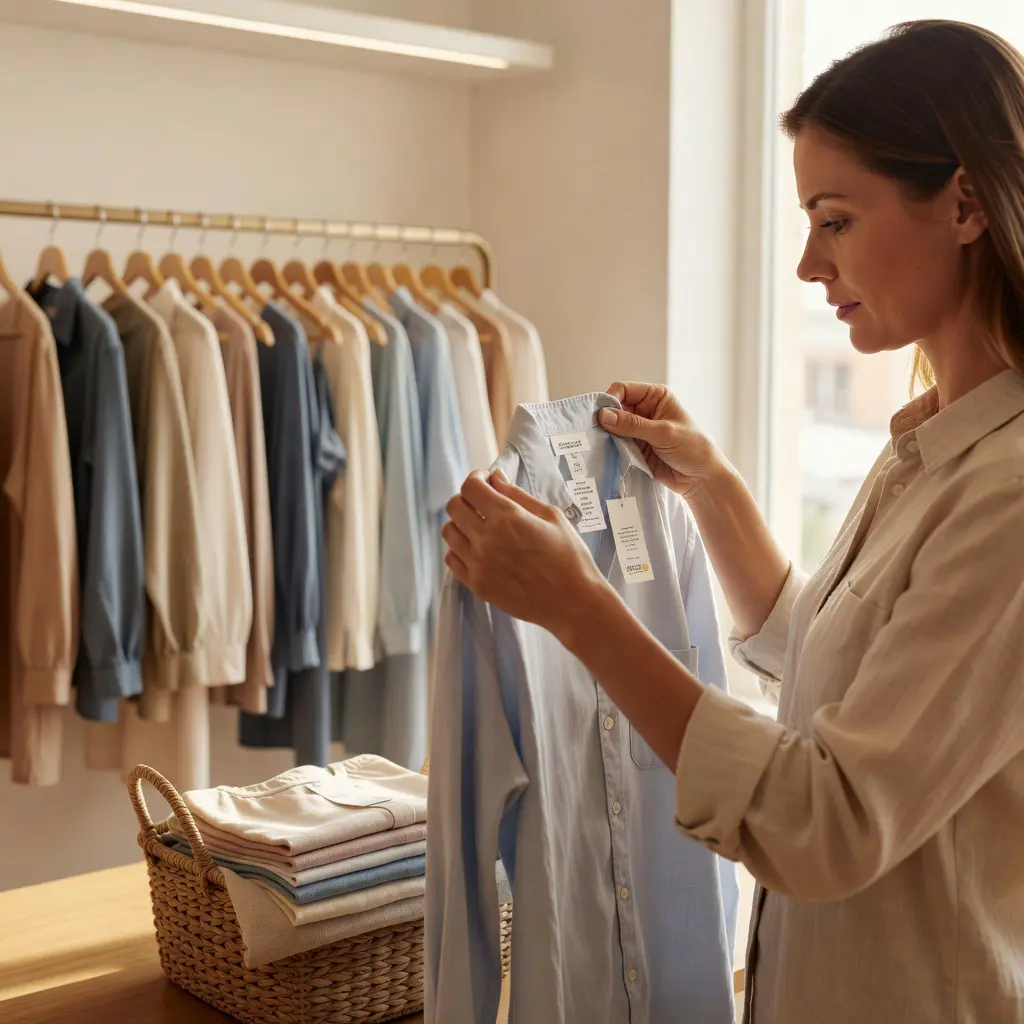
Buying clothing today isn't just about style and price — it's about safety, trust, and transparency. At SafeBlogShopper we cover everyday consumer safety and how to reduce risk when you shop. The truth is some labels are accurate and backed by trusted certification, while others are vague, misleading, or outright false. Think of it like casino review ratings: you trust a casino review when you can see who audited it, what criteria were used, and whether multiple reviewers agree. The same logic applies to clothing labels — the more verifiable the label, the higher the implicit trust score.
Quick overview: what “safe” labels really mean
Before you dive into step-by-step checks, understand three core label types: material composition, care instructions, and safety certifications. Material and care are straightforward, but certifications — like OEKO‑TEX or GOTS — should be verifiable. A label claiming “non‑toxic” without a recognized mark is like an unverified casino that claims top payouts — appealing, but risky unless you verify the source.
Red flags to watch for
Look out for vague wording, missing country-of-origin data, or non‑standard symbols. These are the textile equivalent of anonymous casino testimonials: they may look reassuring, but they lack accountability.
- Vague claims like “safe” or “eco‑friendly” without a certifier listed
- No contact info or brand verification on the label
- Handwritten or inconsistent label fonts that suggest last‑minute changes
- Missing care codes for specialized fabrics
7 smart, practical checks to verify safe clothing labels today
Below are seven actionable checks you can do in-store or online. Each step borrows the logic used in casino review ratings — verify the source, inspect the audit trail, and confirm consistency.
1. Read the certification mark and look it up
When you see a certification logo, confirm it directly on the certifier’s website. Trusted marks include OEKO‑TEX, GOTS, and bluesign®. Like reputable casino review platforms that publish methodologies, legitimate textile certifiers explain their testing and renewal cycles. If the certifier’s site lists the product or brand, that’s a strong sign of authenticity.
2. Verify batch or registration numbers
Many certified items have a registration or batch number. Enter that number on the certifier’s site if available. This is the textile equivalent of a casino’s license number — you can check it to confirm legitimacy.
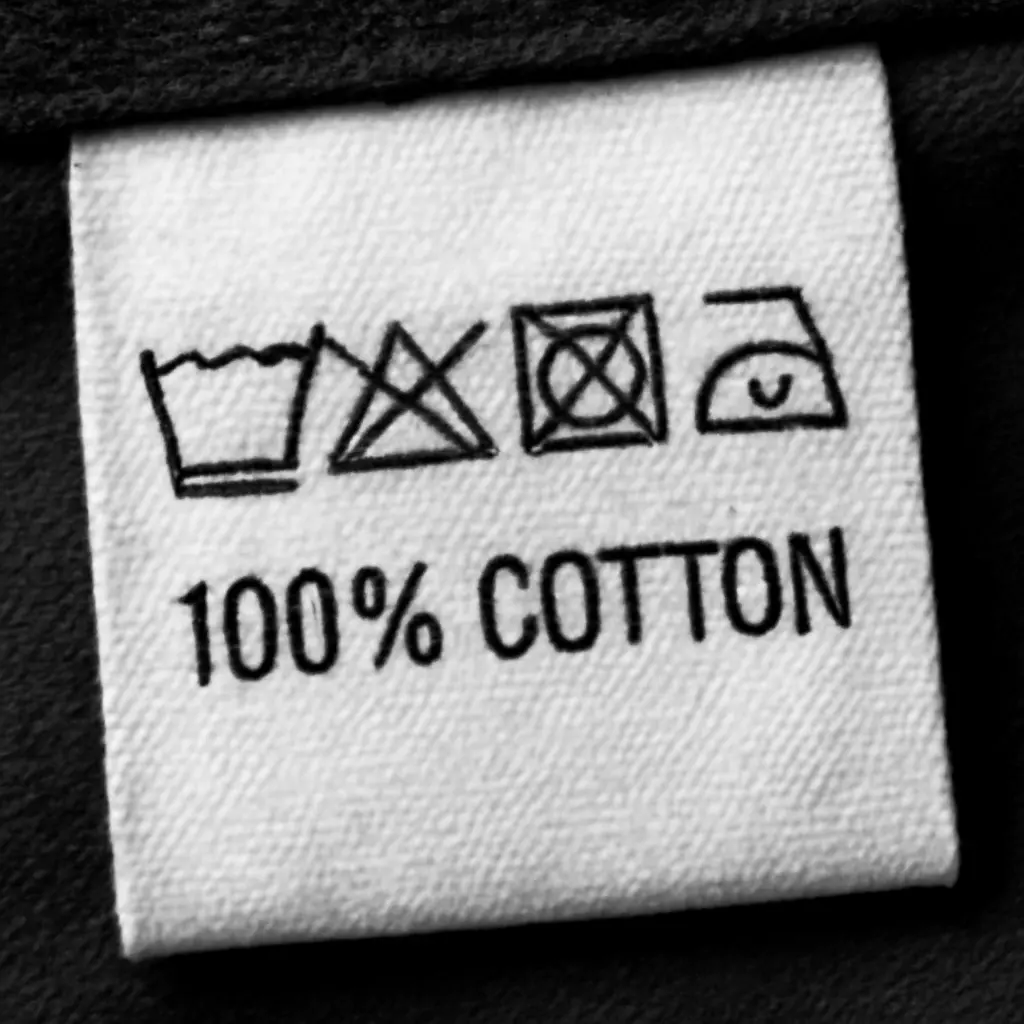
3. Check the label language and symbols
Care symbols and composition percentages should be consistent. If a garment lists 100% cotton but also has dry-clean-only symbols that don’t match cotton care, question the accuracy. Similar to reading multiple casino review ratings, look for consistent messages across sources.
4. Cross-check brand transparency
A transparent brand provides manufacturing origin, contact details, and often a traceability page. Brands that publish supply-chain or testing details score higher in consumer trust, much like casinos that publish audited payout rates and license details. If a brand cannot provide traceability, treat the label with caution.
5. Ask for third-party test reports
If a label claims chemical‑free or hypoallergenic properties, ask retailers for a recent third‑party test report. Third‑party reports are the consumer’s audit trail — the same reason independent casino audits matter to players. If they refuse, consider it a red flag.
6. Inspect fabric and construction
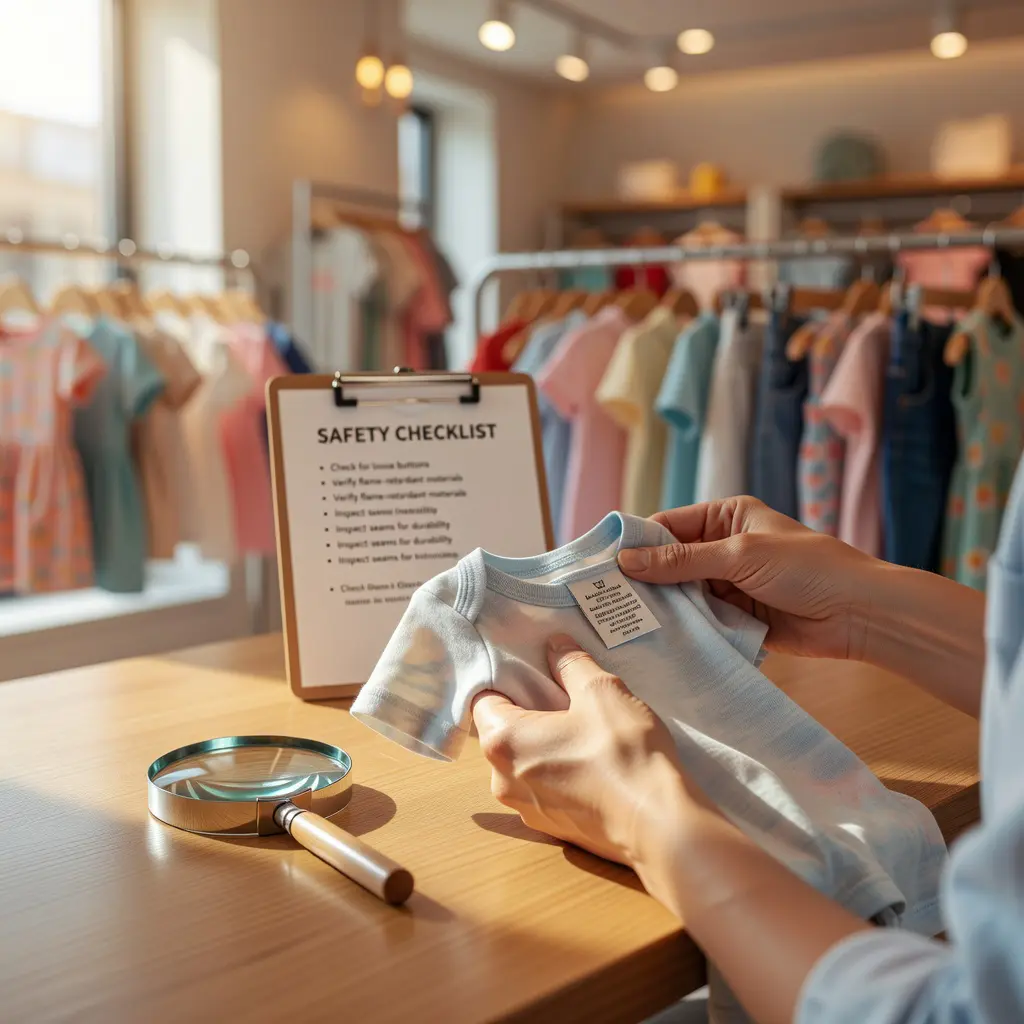
Physical inspection remains one of the best checks: smell, texture, and seams can reveal hidden treatments or synthetic blends. Labels that promise flame resistance or special coatings should match the tactile evidence and any listed test numbers.
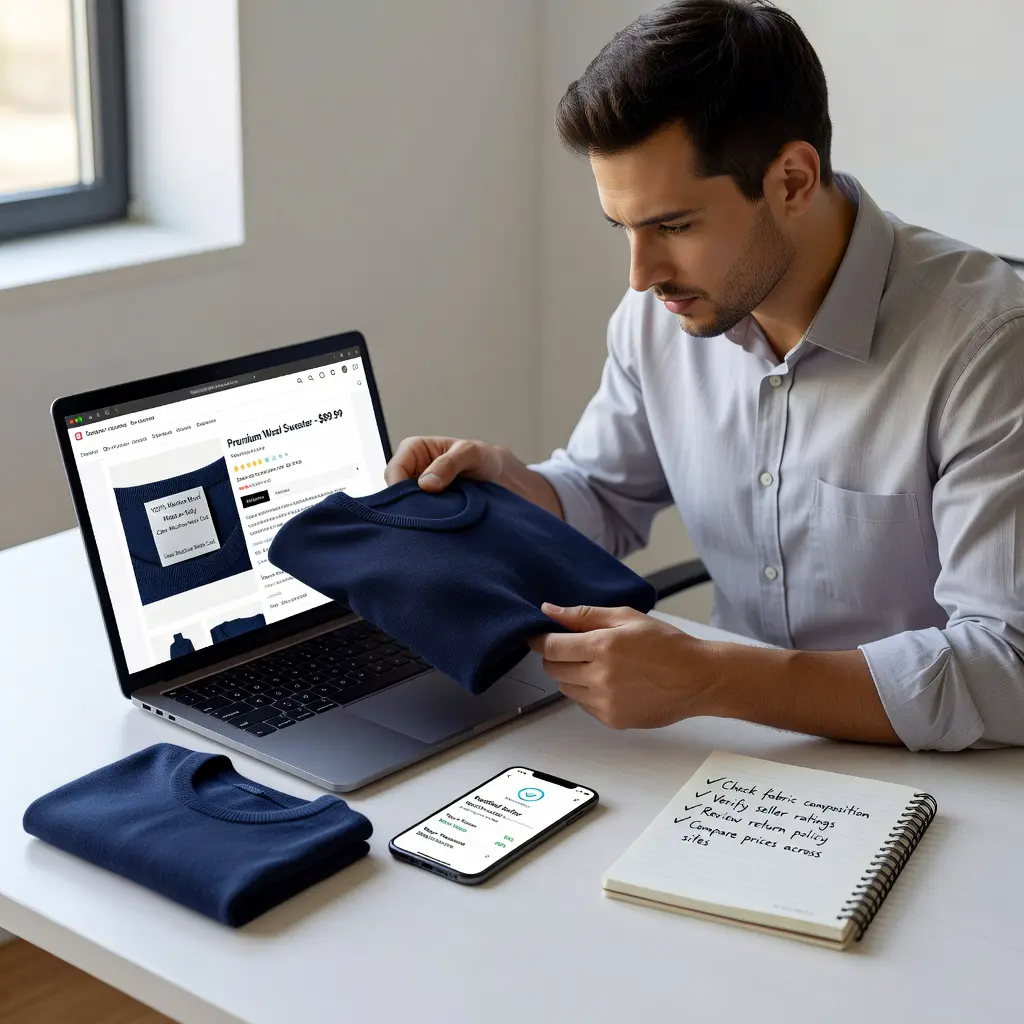
7. Use customer reviews carefully — and compare ratings
Customer reviews help, but they can be noisy or manipulated. Look for patterns across platforms. If multiple trusted sources and independent reviewers raise the same issue, treat it as credible. This mirrors how you’d evaluate casino review ratings: consistency and independent corroboration strengthen trust.
How to prioritize these checks: a simple 3-step plan
Make verification fast and manageable in a store or when browsing online by following this ordered checklist.
- Scan the certification — Look for recognizable marks and batch numbers.
- Cross‑verify online — Confirm the mark on the certifier’s site or the brand’s traceability pages.
- Inspect and confirm — Feel the fabric, check symbols, and review independent tests or reviews.
Comparison table: common certifications and what they actually protect
| Certification | Main protection | What to look for | Trust analogy |
|---|---|---|---|
| OEKO‑TEX | Harmful substances testing | Standard number and product ID | Like a verified payout audit in casino review ratings |
| GOTS | Organic fiber and processing standards | Certifier's name and registration number | Comparable to an audited fairness report |
| bluesign® | Manufacturing environmental safety | Certificate ID and audited mills | Equivalent to license checks used by top casino reviewers |
Practical shopping scenarios and sample scripts
When you’re in-store or chatting with customer service online, short, specific questions save time and reveal transparency. Try these phrases:
- “Can you share the certification number?” — ask for the certifier and number, then check online.
- “Is there a third‑party test report I can view?” — independent testing should be available.
- “Where is this garment manufactured?” — supply‑chain openness matters.
These questions are similar to asking a casino for licensing details before you play: anyone confident in their compliance will answer clearly and provide verifiable sources.
Why you should care: safety, cost, and long-term value
Ensuring label accuracy protects you from allergic reactions, chemical exposure, and wasted purchases. A garment with a verified certification often lasts longer or maintains safer chemical profiles — similar to choosing a casino with consistently high ratings to avoid questionable payouts. Prioritize verifiable labels and you’ll often avoid returns, health issues, and hidden costs.
Further reading
If you want deeper context on how labels can fail and how to respond when they do, read our focused article on label failures for practical steps and case studies. This follow-up is useful when a label looks suspicious or certification claims don’t add up.
Conclusion: a shopper’s checklist to verify labels in under five minutes
To recap, here’s a quick, repeatable routine: check the mark, verify the number, inspect the garment, and ask for tests. Treat labels like the trust indicators they should be — and apply the same skepticism and verification you would when you read multiple casino review ratings. With these habits you’ll reduce risk and make smarter purchases.
Final tip: Keep screenshots of certifications and test reports when shopping online. If a problem arises, documentation speeds up returns and complaints, and protects you the way documented casino licensing protects players. Safe shopping starts with verification — and now you have a practical, repeatable plan to do it well.
To leave a comment, please sign up or log in
Log in / Sign up