

How to Spot Unsafe Clothing Before You Click Buy
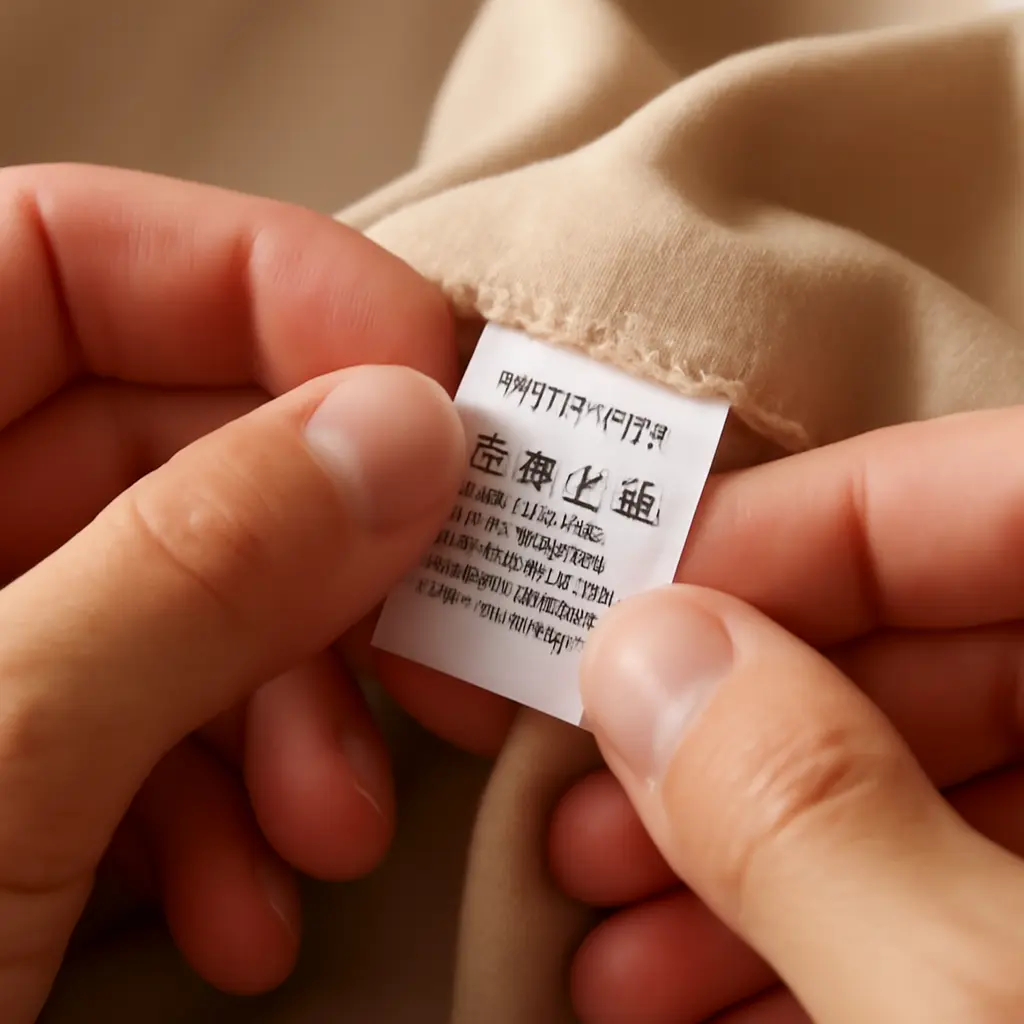
Buying clothes online is convenient, but it can hide hazards you can't see in product photos. In this guide you'll learn 7 proven ways to spot unsafe clothing before you buy online—practical checks that protect your family from toxic fabrics, choking hazards, and hidden flammability risks. Because trust is everything, think of product pages like a rating page: much like casino review ratings help you gauge trustworthiness, a careful review of a seller's details and customer feedback gives you a safety signal when shopping for apparel.
Quick introduction to what to look for
Many shoppers assume that a brand name or glossy photos equal safety. That assumption is risky. Use these methods to evaluate listings quickly and reliably. A short inspection takes less than a minute but can save you from buying garments with harmful chemicals or poor construction that threatens children and adults alike.
1. Read the product description and label claims
Start by scanning the product description for clear details: fiber composition, manufacturing origin, and care instructions. Look for explicit safety mentions like “no added flame retardants” or independent testing statements. If a seller is vague, treat that as a red flag. For a deeper dive on why many labels mislead shoppers and smart steps to verify safety, see safe clothing labels.
2. Watch for chemical keywords and technical terms
On first mention, any technical term should catch your attention. For example, volatile organic compounds (VOCs) and phthalates are commonly associated with scented, coated, or printed textiles. If a listing mentions chemical treatments, pauses and verify. Sellers should list any finishes such as waterproof coating or wrinkle resist, and you should ask for specifics if they don’t.
| Hazard | Where it's often found | Quick action |
|---|---|---|
| Phthalates | Printed vinyl, waterproof layers, children's toys | Ask for third-party test results or avoid scented/treated items |
| Flame-retardants | Sleepwear, outerwear with heavy finishes | Check labeling and preferring naturally flame-resistant fabrics |
| Formaldehyde | Wrinkle-resistant finishes, cheap crisp fabrics | Wash before wearing; prefer pre-washed or certified items |
3. Inspect photos, seams, and fastenings
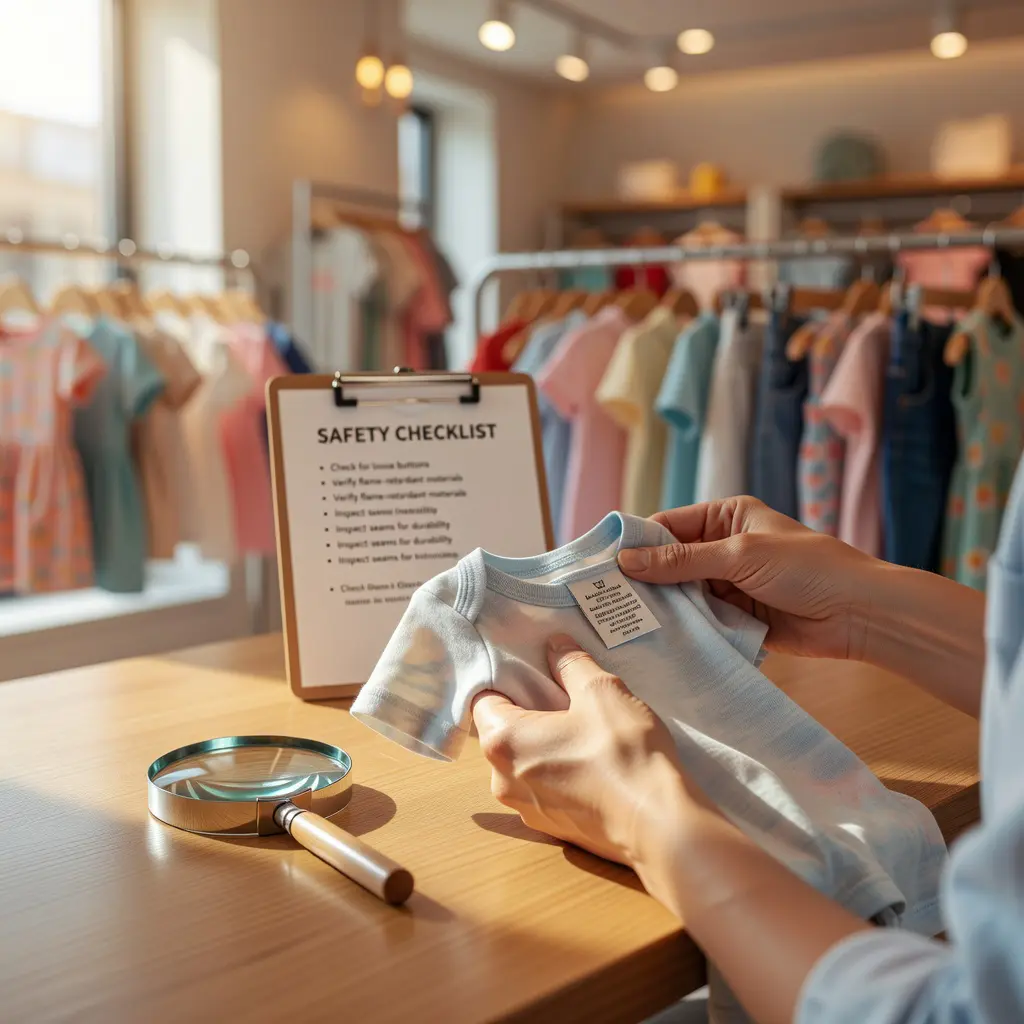
High-resolution images are a window into construction quality. Zoom in on seams, hems, and button attachments—loose threads or uneven stitching are signs of poor quality and potential hazards like loose buttons for kids. A trustworthy seller usually provides multiple photos and close-ups. If images are stock photos or generic, consider that a reason to be cautious. Compare this vetting to how you might consult a variety of sources before trusting casino review ratings—diversity of evidence matters.
4. Read reviews and weigh ratings carefully
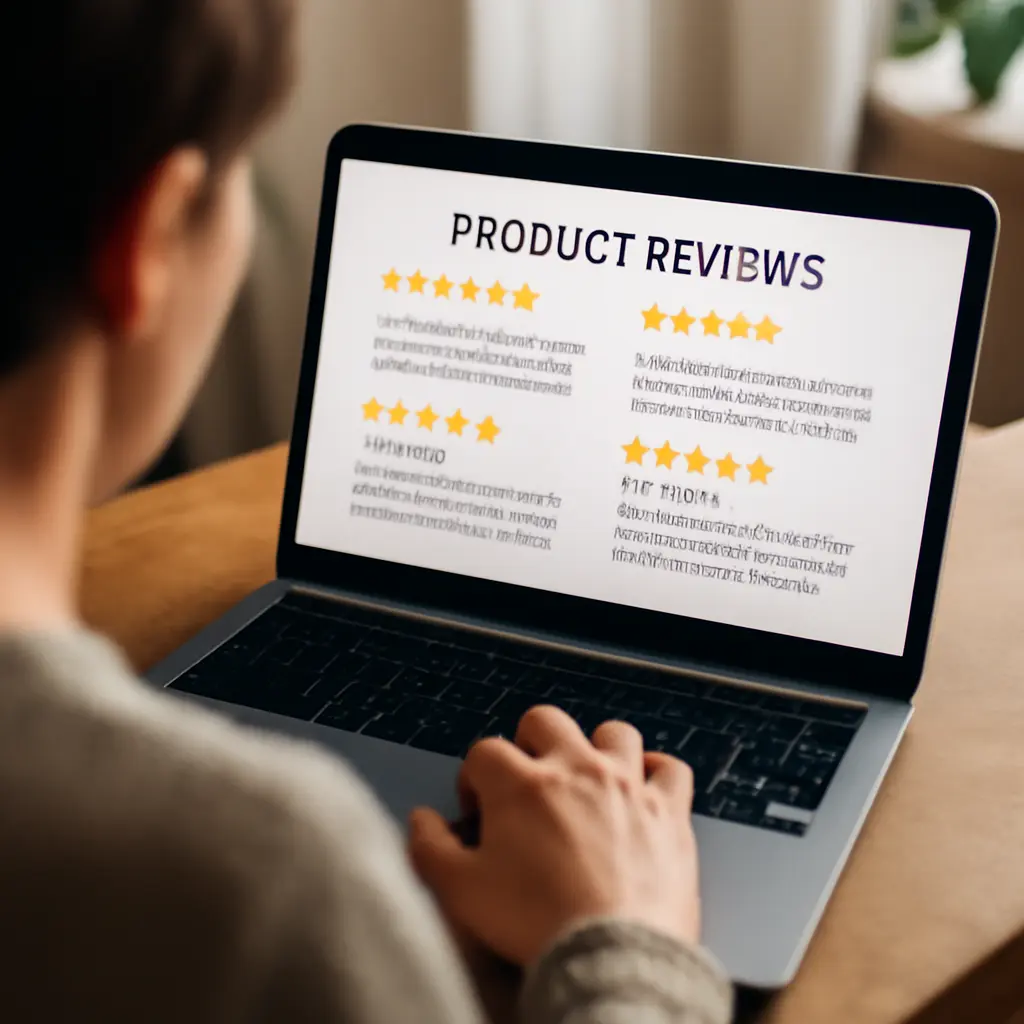
Customer feedback is one of the strongest signals you have. Look beyond overall stars and read comments for specific mentions of odor, fit, and durability. When a pattern emerges—multiple users reporting chemical smells or rapid wear—treat it like a consistent warning. Consider these tactics inspired by review evaluation techniques used in industries that rely on trust, such as casino review ratings:
- Scan for patterns (not single outliers)
- Check photo reviews for real-life evidence
- Note seller responses to complaints
Red flags in reviews include persistent unusual odor, frequent returns, and reports of rashes. If several customers call out the same issue, it’s probably real.
5. Check seller reputation, return policies, and certifications
A seller with clear, consumer-friendly return policies is often more trustworthy. Look for free returns and clear refund timelines. Also check for certifications like OEKO-TEX, GOTS (for organic textiles), or independent lab testing. These certificates act like verified metrics—similar to how casino review ratings use audits and licensing to demonstrate credibility. Always click through any certification links and confirm their validity on the certifier’s site.
6. Special checks for children's clothing
Children's clothing has unique hazards. Watch for long drawstrings, detachable small parts, tight elastic at the neck, and misleading "flame resistant" claims. For young children, prefer snug-fitting sleepwear or clearly labeled flame-resistant fabrics. If a listing doesn’t show compliance with applicable safety standards, consider skipping the item entirely. When in doubt, compare seller transparency and certification details the same way you’d cross-check service providers in heavily regulated markets like those rated by casino review ratings.
7. Request third-party testing and ask direct questions
When shopping for sensitive needs—baby clothes, allergy-prone skin, or chemical sensitivities—don’t hesitate to ask sellers for test reports. Independent lab results showing limits for formaldehyde, heavy metals, and phthalates are strong evidence of product safety. If a seller refuses or responds vaguely, treat that as a serious warning.
7 Quick checks to run in under a minute
- Scan the description for fiber and finish details.
- Zoom photos to inspect stitching and labels.
- Read reviews for mentions of smell or rips.
- Verify certifications on certifier websites.
- Confirm returns and customer service responsiveness.
- Ask for test results if you have chemical concerns.
- Prefer reputable sellers with consistent ratings and transparency.
Practical examples and what to avoid
Concrete examples help build intuition. Avoid garments that arrive with strong chemical odors, loose hardware, or conflicting information between the listing and the label. Keep in mind that even popular brands can have problematic batches—so rely on multiple signals (photos, reviews, certifications, return policy) rather than a single indicator. The multi-factor approach mirrors how consumers evaluate complex services, such as interpreting casino review ratings where licensing, audit reports, and user feedback all matter together.
Conclusion: Make safety a habit
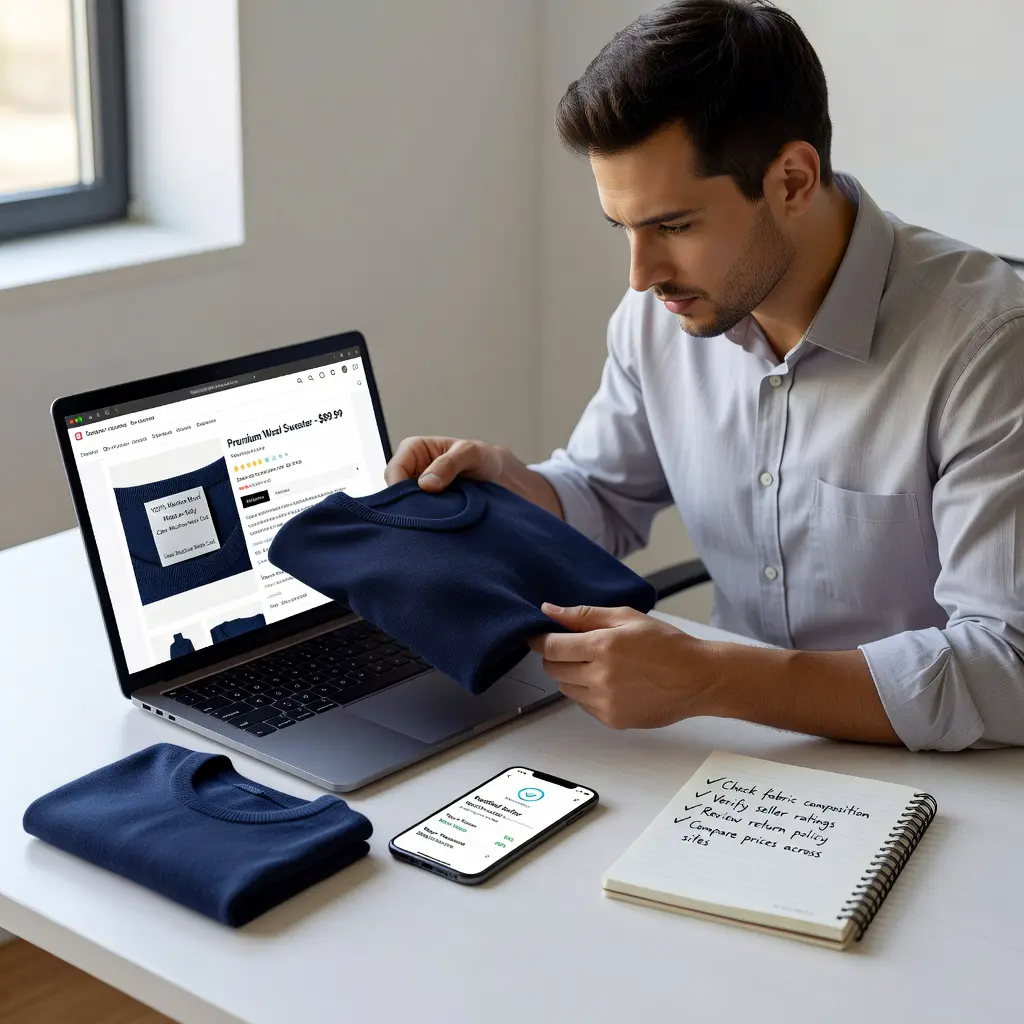
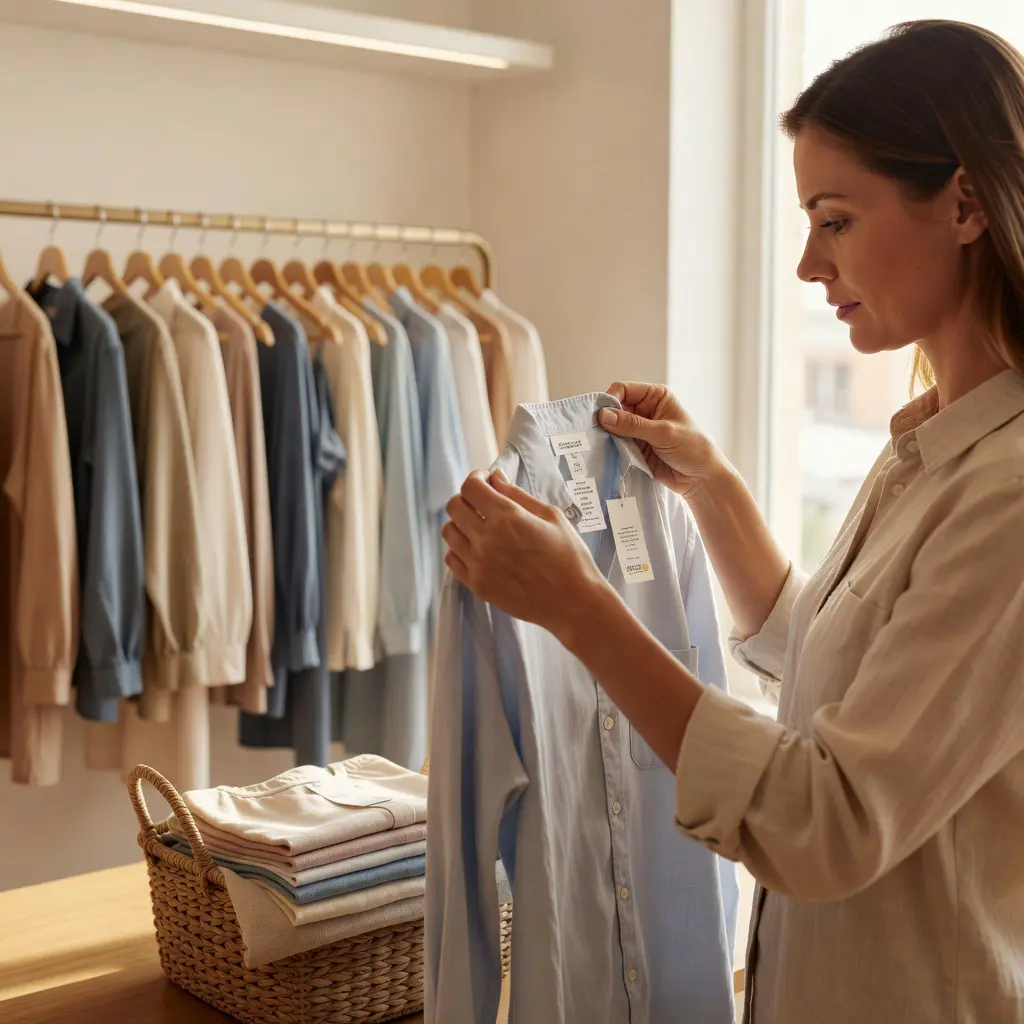
Shopping smart online requires a short routine: check descriptions, inspect images, read reviews, verify certifications, and confirm seller policies. These 7 proven ways become second nature quickly and will significantly cut the risk of bringing unsafe clothing into your home. When in doubt, prioritize transparency and independent verification—just as you would consult trusted metrics when reviewing services or choosing platforms rated by casino review ratings. A little diligence before you buy keeps your family safe and your purchases satisfying.
To leave a comment, please sign up or log in
Log in / Sign up