
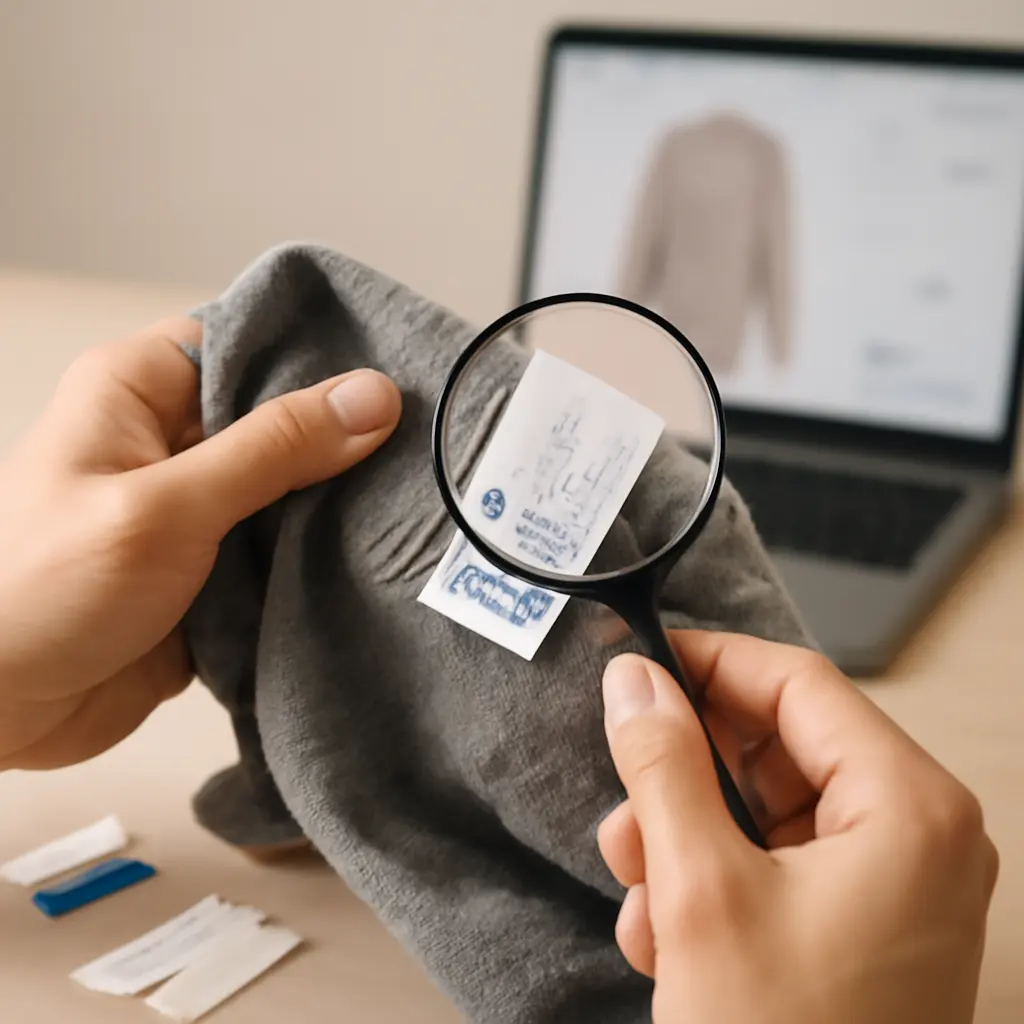
Why you should verify clothing safety before buying online
Online shopping makes it easy to get the styles you want, but it also increases the risk of buying garments that contain hazardous materials or misleading claims. At SafeBlogShopper we recommend a few simple checks you can do in minutes to protect your family and avoid returns, skin irritation, or fire hazards. Much like reading reliable casino review ratings before you trust a new gambling site, scanning safety signals, certifications, and seller reputation helps you shop with confidence.
Overview: 9 proven checks
The checklist below is designed to be practical and fast. Use these checks every time you buy clothing online — from kids’ pajamas to winter coats. Each check includes what to look for and why it matters. You’ll also see how trust systems like casino review ratings mirror the same evaluation logic: reputation, transparency, and verified certifications.
- Material disclosure — Is the fiber content fully listed?
- Certifications — Are there third-party safety marks?
- Seller reputation — Does the retailer have verified feedback?
- Care & hazard warnings — Any flammability, chemical, or allergy notes?
- Return policy — Can you return or test the garment?
1. Confirm full material disclosure
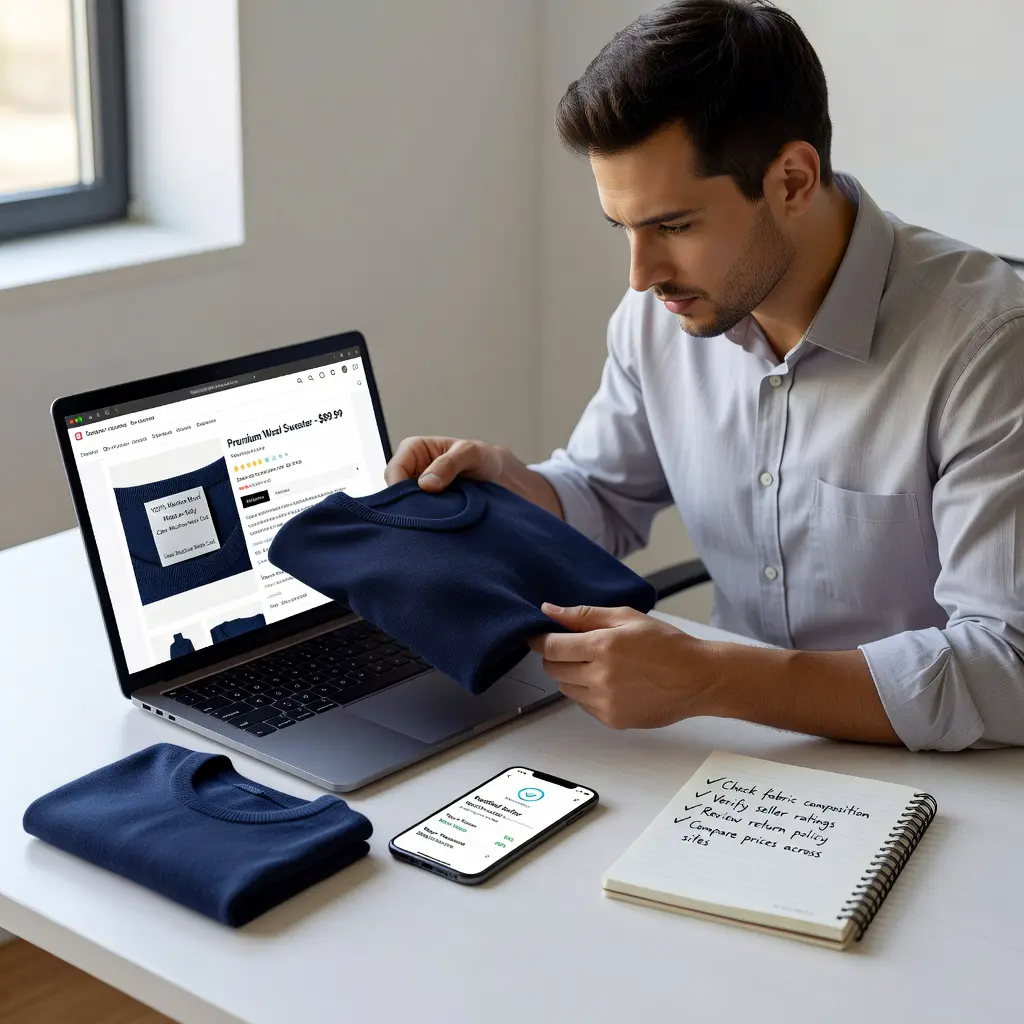
First, check the product description for a complete fiber breakdown: percentages of cotton, polyester, wool, etc. Sellers that omit percentages or list vague terms like “fabric” may be hiding blends, dyes, or finishes that cause allergic reactions. Just as trustworthy platforms use clear metrics in casino review ratings, transparent listings are a strong trust signal for clothing.
2. Look for credible certifications
Search for recognized safety marks such as OEKO-TEX, GOTS, or ASTM where relevant. These certifications indicate independent testing for harmful substances, organic practices, or flammability standards. A product with verified certification is akin to a site backed by solid casino review ratings—a reliable third-party check that reduces risk.
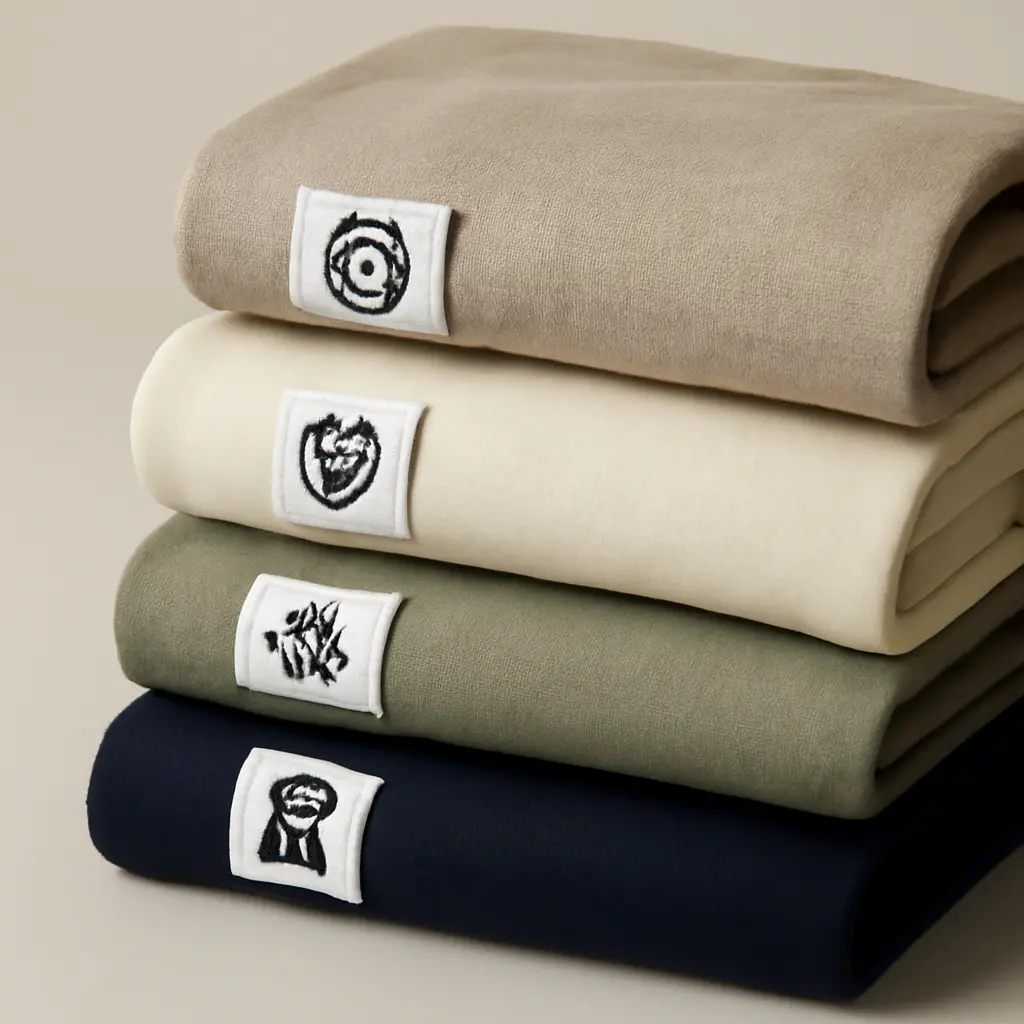
When a listing claims a certification, confirm by visiting the certifier’s site or checking the item’s certificate ID if provided. If you can’t find verification, treat the claim with caution.
3. Inspect seller and marketplace reputation
Reputation matters. Read reviews for both the product and seller, not just the five-star blurbs. Look for photos from buyers and comments about odors, skin reactions, or unexpected fabric finish. Marketplace reputations function similarly to how readers rely on casino review ratings to spot trustworthy operators: consistent, documented feedback beats marketing copy.
Quick credibility signals
- Verified buyer photos and timestamps
- Responsive seller answering safety or composition questions
- Long seller history with returns handled fairly
4. Watch for chemical finishes and flame retardants
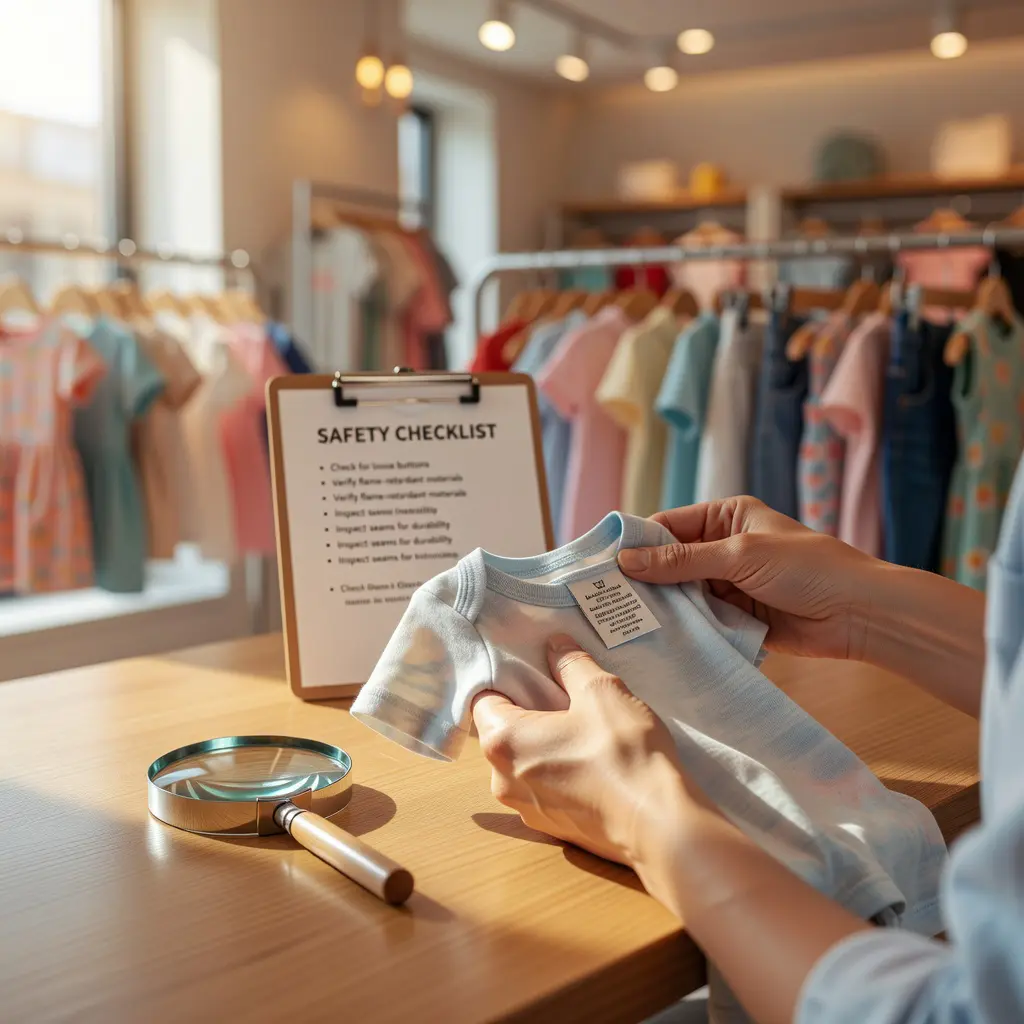
Some garments — especially children’s sleepwear — may be treated with flame retardants or wrinkle-resistant finishes that can off-gas or irritate. Look for explicit language in the description, and if uncertain, ask the seller whether finishes are used. Consumers who check such specifics are practicing the same risk-avoidance mindset used by those who read in-depth casino review ratings.
5. Verify size and testing for sensitive skin
Fabric composition influences how a garment feels against skin. If you have allergies or sensitive skin, prefer natural fibers and seek listings that offer trial returns. A clear return policy or “try at home” window is as important as reading an operator’s reputation in casino review ratings—both reduce the consequence of a bad decision.
| Check | What to look for | Risk if skipped |
|---|---|---|
| Material disclosure | Full fiber percentages | Allergic reaction, poor durability |
| Certifications | OEKO-TEX, GOTS, ASTM | Unknown chemical exposure |
| Seller reputation | Verified buyer reviews | Scams, false claims |
| Return policy | Clear, practical returns | Stuck with unsafe items |
6. Use photos and ask for close-ups
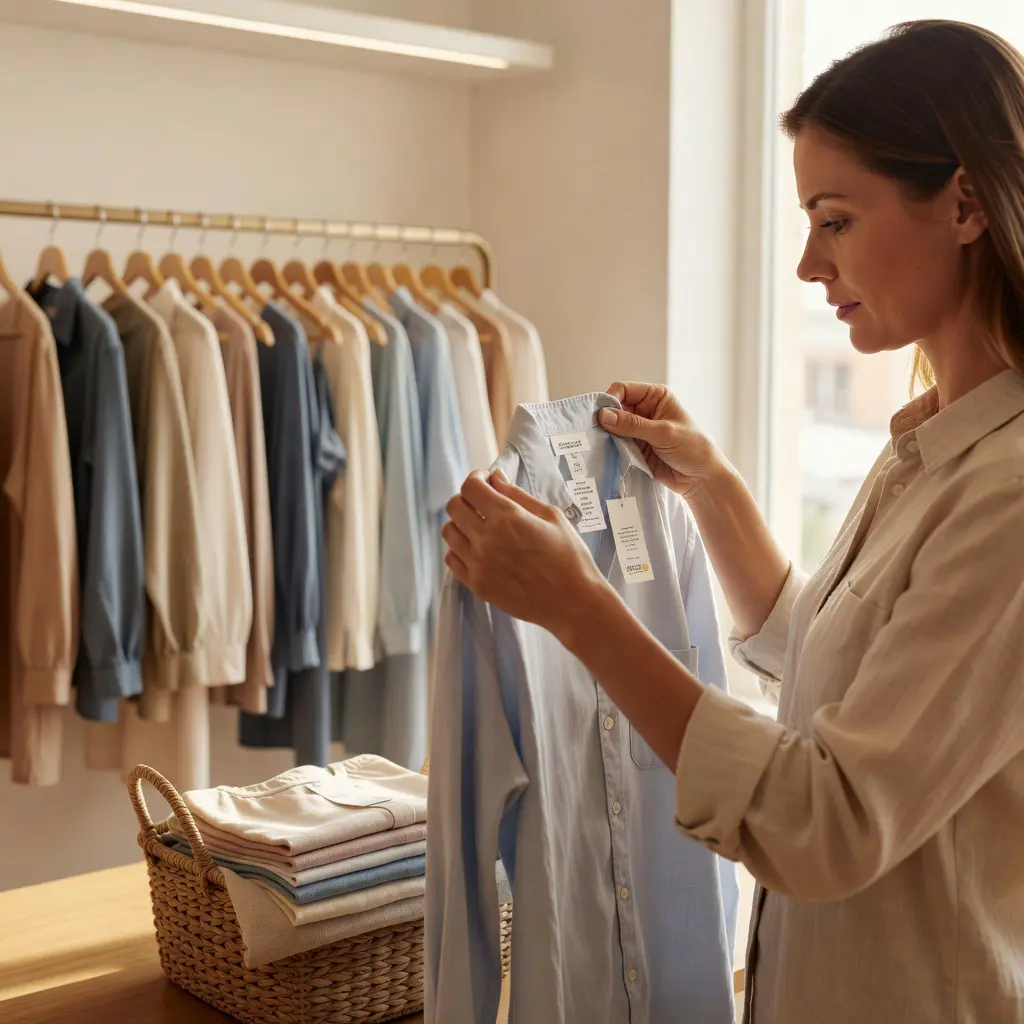
High-quality product photos often reveal hems, labels, and finishing that the description may omit. If photos are low quality or stock-only, ask for a close-up of tags or seams. Sellers willing to provide detail behave like platforms that welcome scrutiny — the kind that earns solid casino review ratings.
7. Check for alarm signs in pricing and brand claims
If the brand is premium but prices are suspiciously low, that can indicate counterfeit items with unknown chemical treatments. Similarly, vague claims like “safe fabrics” without proof are red flags. Treat bold claims like unverified promotions in casino review ratings: seek verification before you convert trust into a purchase.
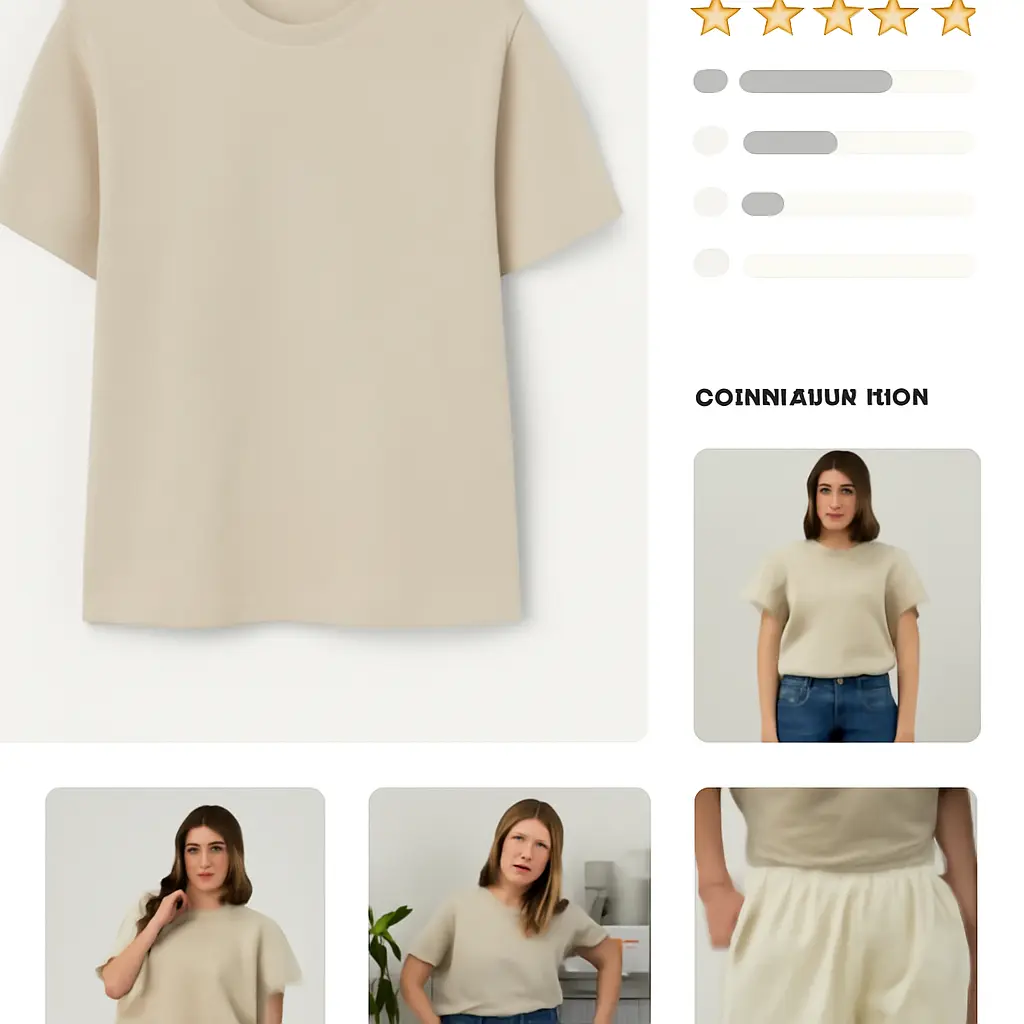
Always compare multiple listings and sellers for the same item. Diverging descriptions or inconsistent photos signal risk.
8. Prioritize transparency over marketing
Brands that disclose testing methods, batch numbers, or provide accessible certificates are prioritizing safety. This transparency is more valuable than buzzwords. Think of it like reading detailed methodologies in trustworthy reviews — for example, dependable casino review ratings often include testing criteria, not just star counts.
If you want a deeper explanation of why labels sometimes fail and how to read them properly, check our primer on safety labels to get smart about what to trust.
9. Final verification steps before checkout
Before you click buy, run this last mini-audit: confirm certifications, verify seller replies, read recent reviews, and ensure returns are reasonable. If any part of the listing feels rushed or inconsistent, pause. Experienced shoppers treat this like checking an operator’s scorecard — similar to how people rely on detailed casino review ratings to decide if a platform is safe.
- Confirm material & certification
- Check seller reputation and recent reviews
- Request images or ask questions about finishes
- Verify return policy and shipping details
- Proceed if everything matches your safety criteria
Putting it together: a short checklist
Use this consolidated checklist every time you shop online to reduce risk. Think of each item as a mini-trust metric, comparable to the way in which casino review ratings aggregate credibility signals to form a reliable score. When multiple signals align, your chance of a safe purchase increases dramatically.
- Complete fiber info present
- Visible third-party certification
- Positive, verified seller reviews
- Clear return & care instructions
- No suspicious pricing or vague claims
Conclusion: Shop smart and stay safe
Clothing safety is about more than comfort — it protects health and reduces hazards. These 9 proven checks will help you spot problems early and make safer choices. Remember that transparency, verification, and reputation are universal trust cues: whether you’re evaluating a garment or assessing platforms through casino review ratings, the same critical thinking applies. Follow these steps, use trustworthy sources, and don’t hesitate to ask questions before you buy.
To leave a comment, please sign up or log in
Log in / Sign up