

9 Insider Tips for Spotting Safe Clothing Labels Before You Buy
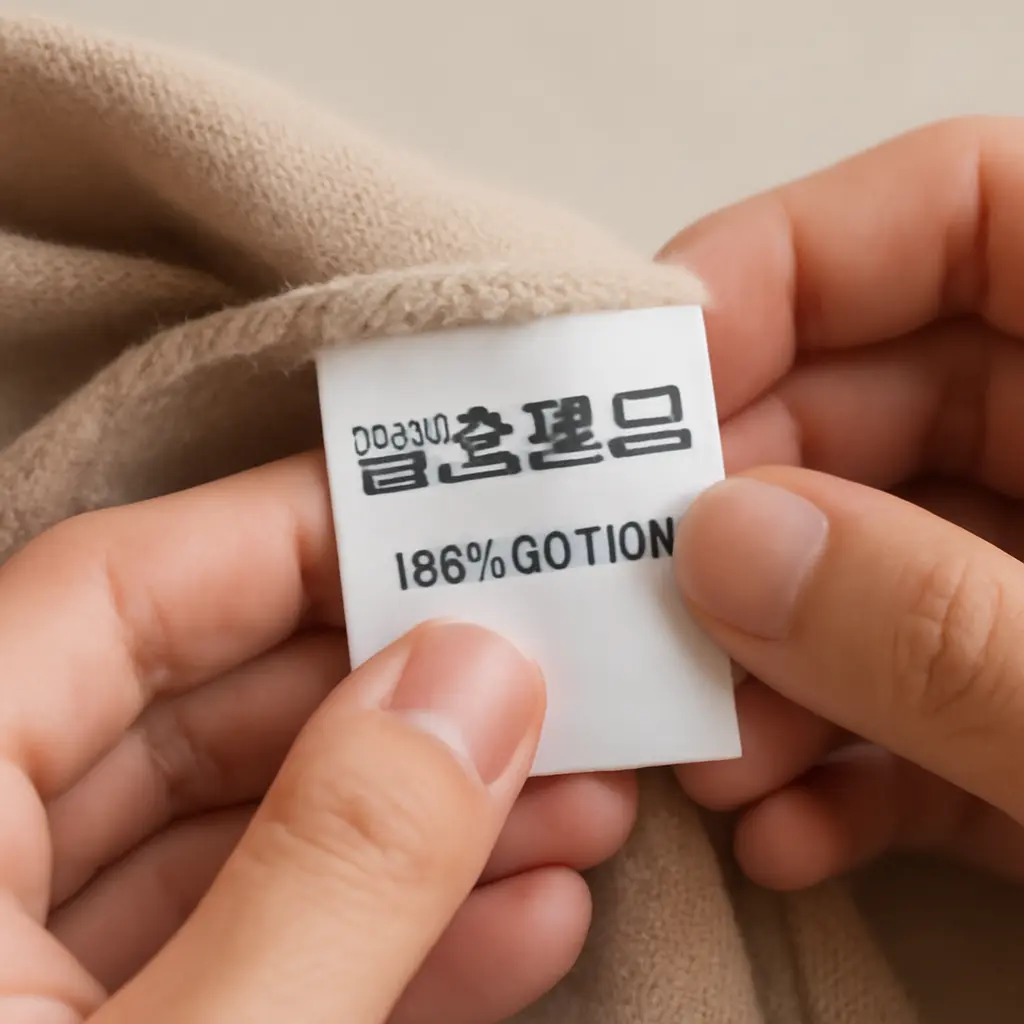
Buying clothes should be simple, but the small print on labels can hide big problems. In this guide you'll get 9 insider tips to decode labels, identify real certifications, and avoid health or durability issues. Much like studying transparent information in casino review ratings to judge a site's trustworthiness, learning to read labels helps you separate trustworthy brands from marketing fluff. This article blends practical label checks with the same critical thinking used when evaluating casino review ratings—so you leave the store with safe, long-lasting pieces.
Why label literacy matters
Labels are your first line of defense against hidden chemicals, misleading claims, and poor manufacturing. A clear label tells you about fiber content, care instructions, and often the country of origin or a certification. Think of a reliable certification on a garment like a positive entry in a casino review ratings list: it signals that someone independent has verified a key claim. When labels are vague or missing, you should treat the garment like an unchecked casino with no rating—proceed with caution.
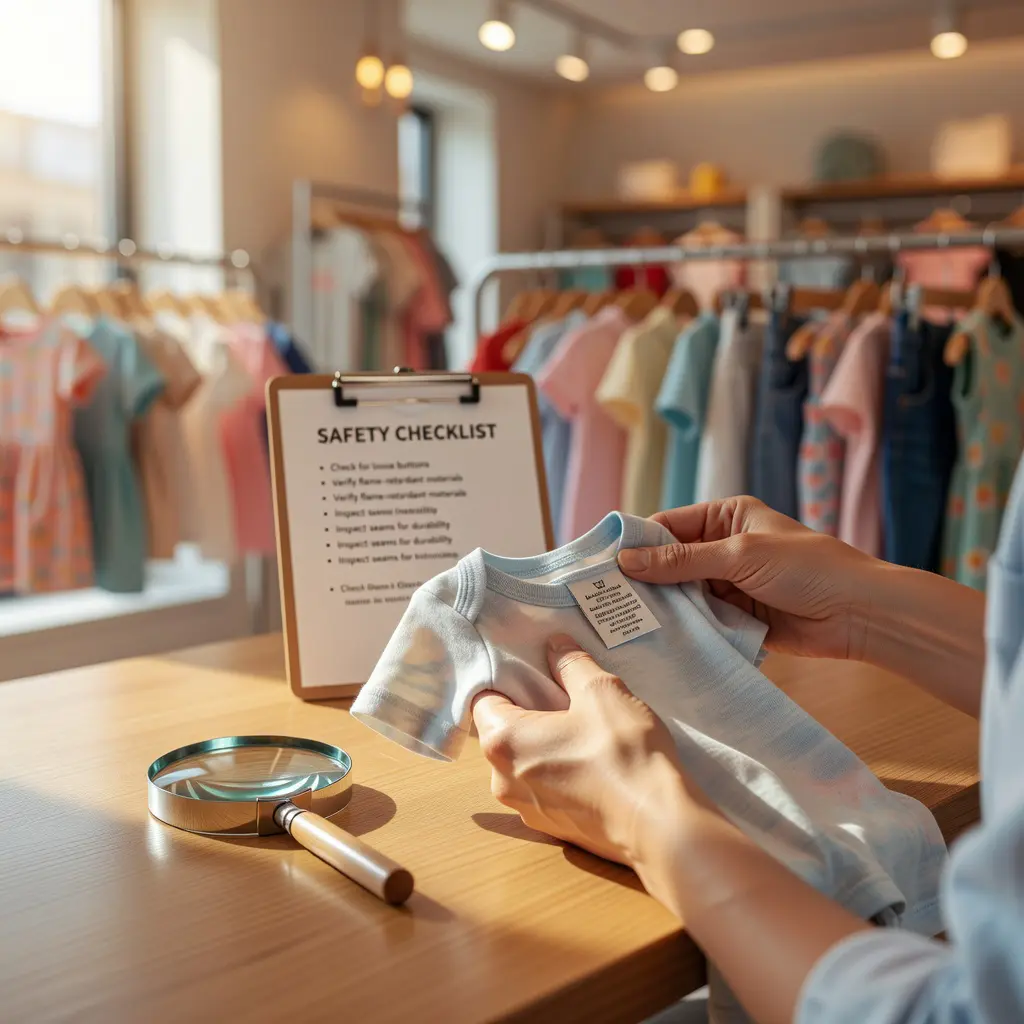
Quick checklist: what to expect on a safe label
- Fiber content (e.g., 100% cotton, 60% polyester)
- Care symbols with legible icons
- Manufacturer or importer name and country of origin
- Certifications like OEKO-TEX or GOTS
- Batch numbers, lot codes, or QR codes for traceability
As you compare brands, treat each certification like a factor in a typical casino review ratings rubric—some matter more than others depending on your priorities (safety, organic content, fair labor).
The 9 insider tips
- Decode the care symbols
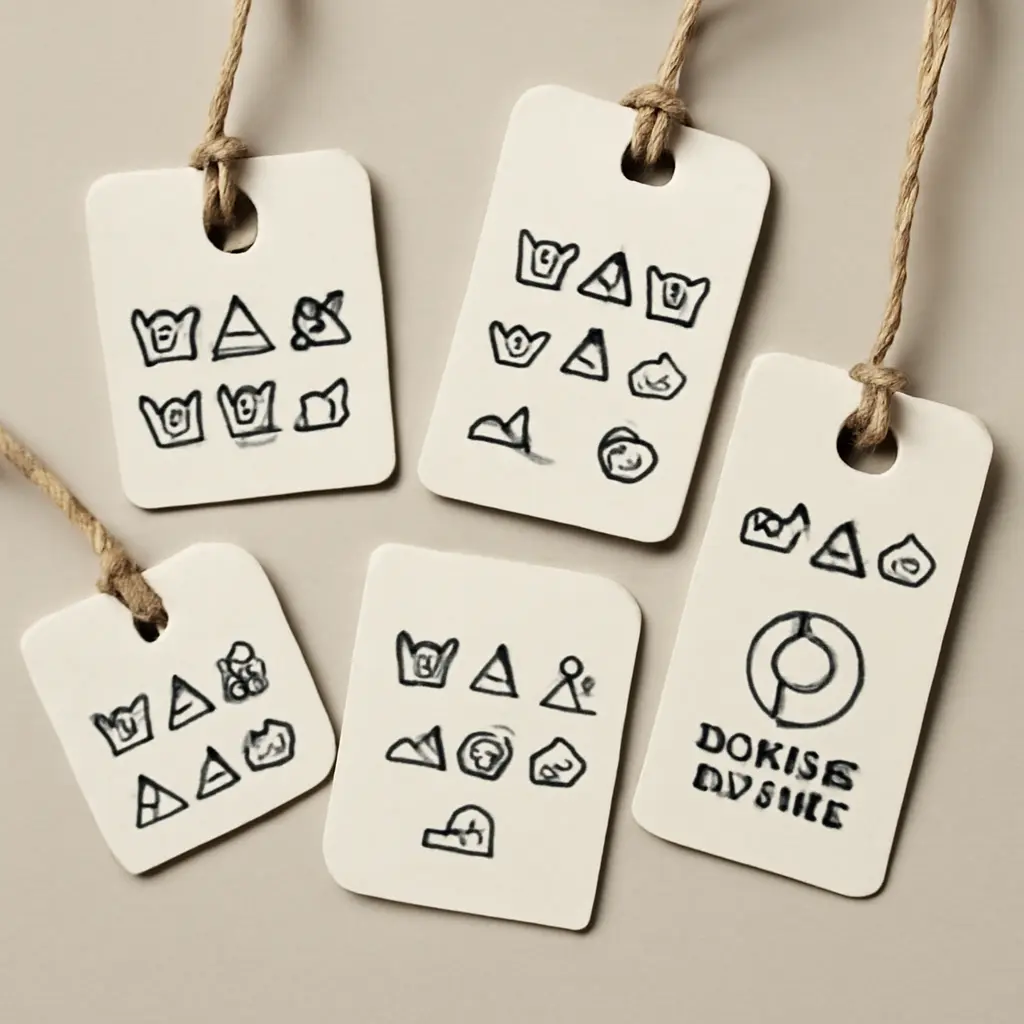
Care symbols are standardized icons that tell you how to wash, dry, bleach, and iron safely. Look for clear, intact symbols; smudged prints can mean the label was rushed or added after production. When in doubt, treat complex garments like delicate ones. If you check a site the same way you check casino review ratings, you'll learn to value clear instructions and transparent standards.
- Verify fiber content
Labels must list fiber percentages. If a garment labeled “organic” doesn't list a fiber breakdown, that's a red flag. A label that says 100% cotton is different from one that reads “cotton blend.” For sensitive skin or allergies, accurate fiber content is as critical as an RNG audit mentioned in quality casino review ratings.
- Spot real certifications
Recognize credible marks like OEKO-TEX (tests for harmful substances) and GOTS (global organic textile standard). Not all seals are equal—some are marketing-only. Prioritize certifications with independent audits and publicly verifiable certificates, much like trusting only the highest-rated sites in casino review ratings.
- Watch for vague marketing claims
Terms like “eco-friendly,” “non-toxic,” or “hypoallergenic” are often unregulated. Ask for specifics: which chemicals were tested and by whom? Treat broad claims with the same skepticism you’d apply to a casino platform that claims “the best games” without supporting evidence in its casino review ratings.
- Look for traceability features
QR codes, batch numbers, and manufacturer details increase trust. Scan QR codes where available and confirm they link to a product page or certificate. Transparent brands provide trace paths just as reputable casinos list licensing and testing details in their review pages used in many casino review ratings.
- Check care temperature and finish claims
“Machine wash cold” or “do not tumble dry” matter: incorrect washing can release microplastics or damage finishes that trap chemicals. Beware of “wrinkle-free” or “stain-resistant” finishes—they often use PFAS or other coatings. Consider how detailed label instructions are, similar to how in-depth evaluations appear in thorough casino review ratings.
- Test scents and finishes discreetly
If a garment smells strongly of fragrance, that's often a sign of added chemicals. Ask for a sample to smell away from the rack. Fragrances can trigger allergic reactions and are frequently omitted from labels. This is much like spotting hidden fees in casinos—only visible if you look beyond the shiny surface and consult comprehensive casino review ratings.
- Understand country-of-origin implications
Manufacturing location can influence safety standards and chemical use. Some countries have stricter regulations like REACH in the EU. When brands disclose origin and factory audits, it's a positive signal—parallel to how a casino that lists audited licensing authorities fares better in reliable casino review ratings.
- Use reviews and third-party tests
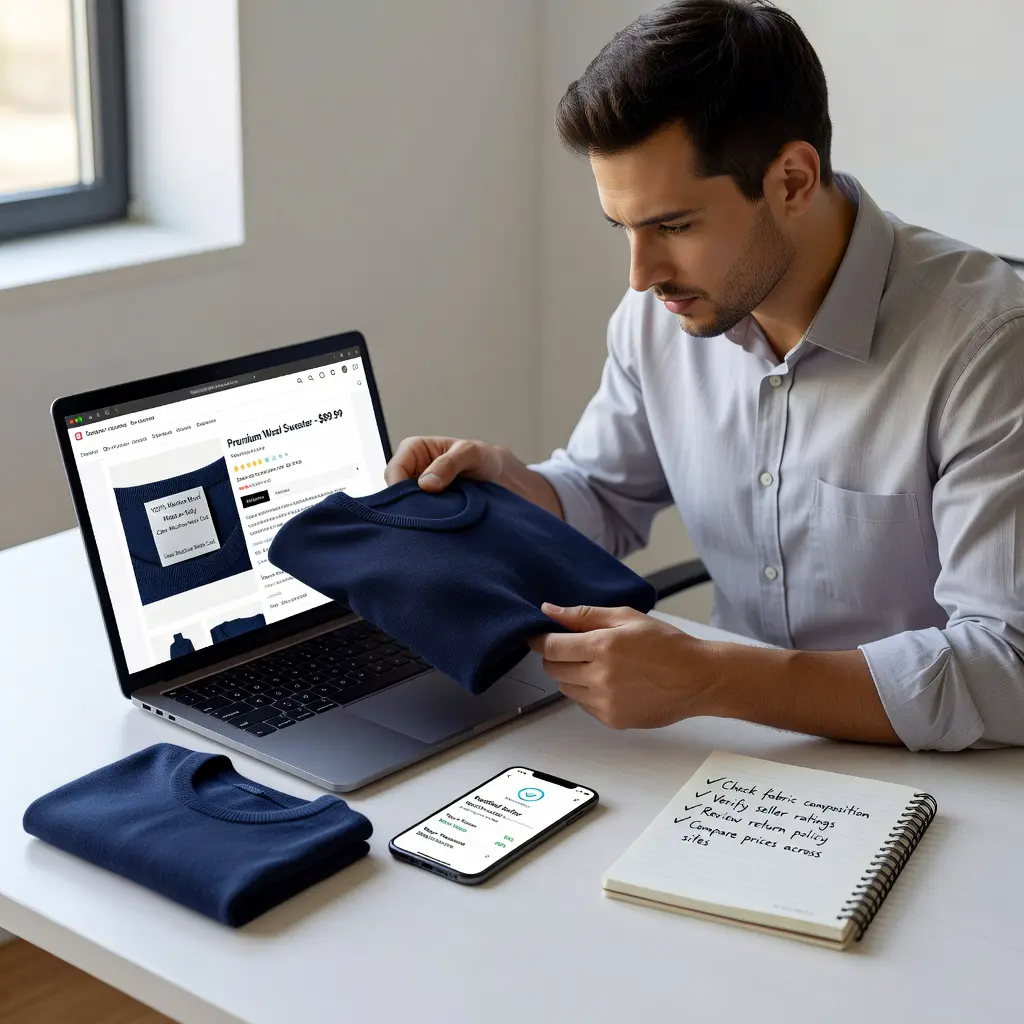
Customer reviews, lab tests, and watchdog reports reveal repeated problems. If multiple shoppers report fading, skin irritation, or misleading labels, treat it as a pattern. Cross-reference product claims with independent reports the same way you cross-check claims against reputable casino review ratings.
None of these tips live in isolation. When a brand combines clear care symbols, verified certifications, and transparent traceability, you get the confidence equivalent to a high score in curated casino review ratings lists.
Red flags to watch for
- Ambiguous language like “tested” without naming the lab
- Missing fiber percentages or illegible printing
- Excessive aroma or permanent finishes that lack testing claims
- Overuse of buzzwords: “natural,” “pure,” “safe” with no evidence
If you encounter these signs, think of them as warning signs in a casino that has no presence in trusted casino review ratings. You wouldn't wager on that site—don't wager your skin or money on unreliable labels.
Common labels and what they actually mean
| Label | Typical Check | What to verify |
|---|---|---|
| OEKO-TEX | Tests for harmful substances | Look up certificate number, confirm product class |
| GOTS | Organic fiber + processing standards | Check scope (organic fiber % and processing chain) |
| “Antibacterial” | May indicate chemical treatment | Ask which agent was used and for toxicity data |
| “Water-repellent” | Often uses DWR or PFAS | Request non-PFAS alternatives or test results |
The table above gives a snapshot—always dig deeper. If a brand provides transparent third-party documentation, it's similar to the detailed data you expect in reputable casino review ratings.
Practical in-store checks
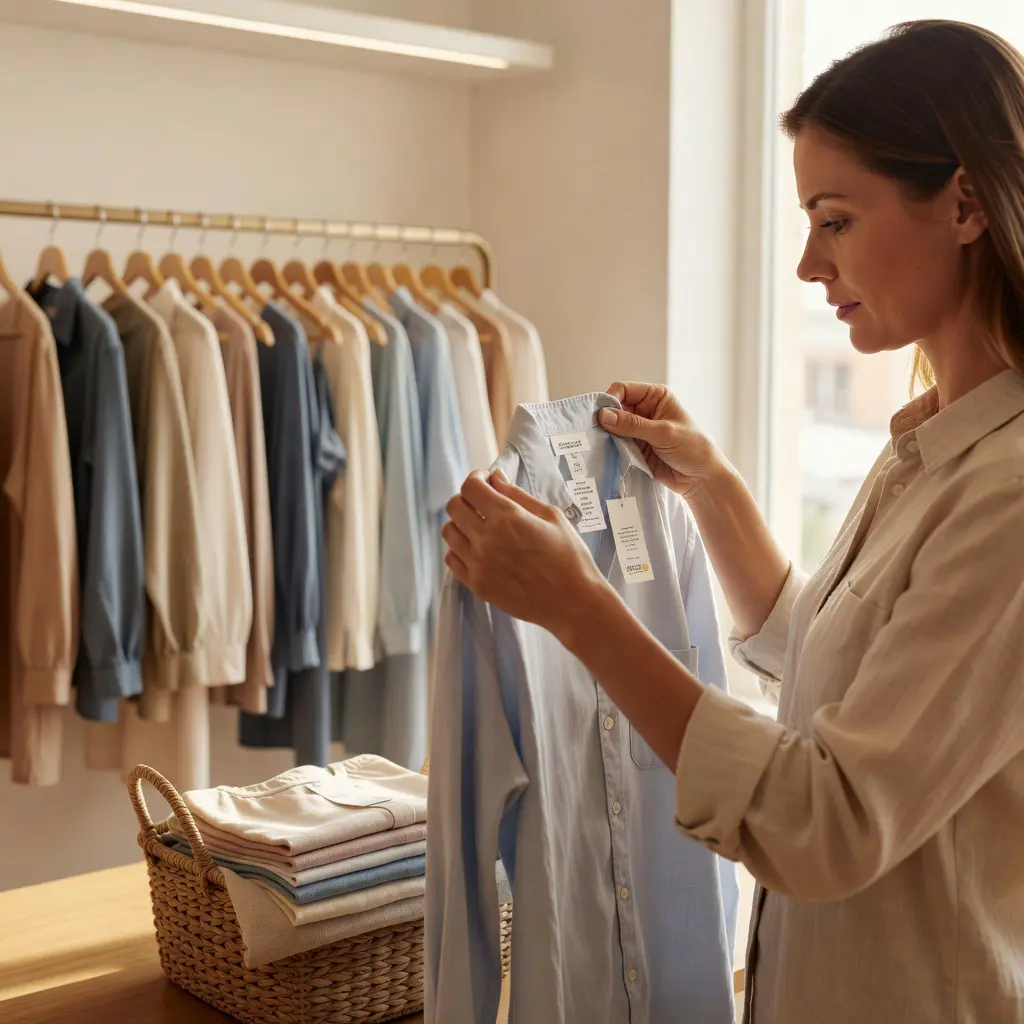
Bring a pen and visually inspect seams, finishes, and label placement. If labels feel glued or hastily sewn, the product may be an after-market insert. Ask staff for the product code or certificate—legitimate brands will share it. For deeper skepticism about brand claims, you can read investigative reports or consult resources that aggregate audits, similar to how you use consolidated findings in credible casino review ratings.
For background reading on why labels sometimes fail and how to respond, see this short guide on label failures.
Final checklist before you buy
- Labels are clear, legible, and complete
- Certifications are verifiable
- Care symbols match the garment construction
- No unexplained fragrances or finishes
- Positive, consistent third-party reviews or tests
Just as you would prefer a high-quality, transparent platform in curated casino review ratings, prefer garments and brands that show clear, verifiable information. That diligence saves money, reduces waste, and protects health.
Conclusion: Shop smart, like a savvy reviewer
Label reading is a skill you can develop. Use the nine tips above to treat each garment like a product under review—verify claims, check certifications, and consult independent feedback. When brands provide verifiable information, they earn trust the way top sites earn favorable entries in well-researched casino review ratings. With these insider techniques you'll be equipped to spot safe clothing labels before you buy and build a wardrobe that's healthy, durable, and worth keeping.
To leave a comment, please sign up or log in
Log in / Sign up